
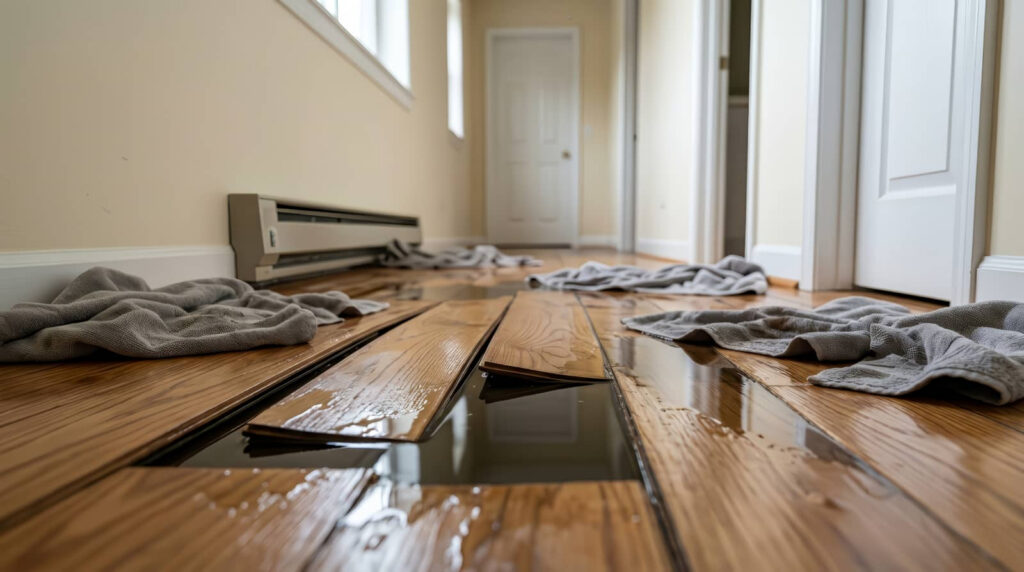
Even if the water looks minor, you still need same day extraction because moisture moves fast into walls, flooring, and baseboards. You can’t wait for visible pooling to disappear on its own. Prompt removal limits spread, controls humidity, and gives drying equipment a stable start. It also helps technicians catch hidden saturation before it turns into structural damage, and that’s where the real cost often begins.
Key Takeaways
- Same day water extraction limits spreading damage by removing standing water before it wicks into drywall, flooring, and baseboards.
- Urgent extraction is needed when you see pooling water, saturated carpets, soft floors, stained walls, or musty odors.
- Quick removal helps control humidity, improves dehumidifier performance, and speeds the drying process.
- Technicians use pumps, vacuums, and hoses to clear free water and create a clean starting point for restoration.
- Shut off the water source, document damage, clear access, and keep children and pets away until the area is safe.
Why Same Day Water Extraction Matters
When water damage occurs, same day water extraction matters because it helps remove standing water before it spreads into adjacent materials and hidden cavities.
You limit wicking in drywall, baseboards, and flooring, which reduces saturation and shortens the drying cycle. Same day water extraction also helps stabilize humidity, so your team can start dehumidification and airflow control sooner.
That early response lowers the load on structural materials and supports cleaner remediation. You also gain clearer access for inspection and moisture mapping, which improves planning and keeps your project moving.
When you act quickly, you protect the integrity of your space and stay aligned with a proven recovery process. Your response today can make the difference between simple drying and complex restoration.
Signs You Need Emergency Water Extraction
You need emergency water extraction if you see standing water, spreading dampness, or fast-rising humidity after a leak, flood, or appliance failure.
You should also act if floors feel soft, walls stain, baseboards swell, or carpets stay saturated beyond a few minutes.
A musty odor, visible residue, or water creeping under trim signals hidden intrusion that needs immediate response.
If electrical outlets, HVAC components, or structural materials got wet, treat the situation as urgent and keep your household safe.
Quick action helps you stay ahead of escalating damage and restores control fast.
When you call a qualified team, you join others who protect their property with prompt, organized service.
Don’t wait for conditions to worsen; emergency extraction starts the recovery process right away.
How Extraction Limits Moisture Spread
Prompt extraction helps stop water from traveling into adjacent rooms, wall cavities, and flooring layers. You reduce capillary movement by removing standing water before it can wick into porous materials.
Rapid extraction also lowers hydrostatic pressure, so hidden seepage doesn’t keep feeding damp spots under trim, subflooring, or baseboards. When you act same day, you shorten the time moisture has to migrate through seams and expansion gaps.
That means your drying team can target the affected zone instead of chasing spread across the property. You stay ahead of secondary damage, protect structural components, and keep restoration focused.
With prompt, professional extraction, you’re not just removing visible water—you’re containing the event, preserving clean boundaries, and helping your home return to a safe, dry condition faster.
What Technicians Remove During Extraction
Technicians remove standing water, pooled moisture, and trapped liquid from floors, carpets, padding, subfloors, and other porous materials during extraction. You get a focused process that clears water fast and helps your space feel controlled again.
Teams typically remove:
- Free water on hard surfaces
- Saturated carpet and pad moisture
- Excess liquid from wood framing
- Residual water from upholstery
- Surface moisture that slows drying
They use extraction equipment to lift liquid, reduce load on materials, and support the next drying steps. You benefit from less saturation, less material stress, and a cleaner starting point for restoration.
With same day service, you’re not waiting while damage worsens; you’re moving with a team that knows what to remove and how to keep recovery on track.
How Technicians Find Hidden Water
After removing visible water, crews check for hidden moisture that can keep damaging materials behind walls, under flooring, and inside cavities.
You’ll usually see them use moisture meters, thermal cameras, and inspection tools to map damp zones without opening materials unnecessarily. They compare readings from dry areas and affected areas so you know exactly where water has spread.
Technicians also listen for hollow sounds, inspect trim edges, and test around baseboards, cabinets, and subfloors. This process helps your property team identify trapped moisture early, before it supports swelling, staining, or microbial growth.
You’re not guessing; you’re getting a targeted assessment that guides drying plans. By finding concealed water fast, the crew protects your space and helps you stay ahead of further damage.
What to Expect During Water Extraction
You’ll first get an initial damage assessment to identify affected areas and determine the extraction plan.
Technicians then remove standing water with specialized equipment to limit moisture spread and reduce further damage.
After extraction, they’ll set up drying equipment to begin controlled moisture removal and stabilize the structure.
Initial Damage Assessment
The first step in same day water extraction is a fast damage assessment that identifies the source, extent, and spread of moisture before removal begins. You’ll see a technician document conditions so your property gets the right response and you stay informed throughout the process.
- Inspect visible water and affected materials
- Check walls, flooring, and baseboards
- Measure moisture in nearby areas
- Note safety hazards and access limits
- Confirm affected rooms and priority zones
This assessment helps your team target urgent areas, reduce unnecessary disturbance, and protect your space from further damage.
You’ll know what’s impacted, what’s stable, and what needs immediate attention. Clear communication during this step supports faster decisions and helps you feel confident that your property’s recovery is in capable hands.
Water Removal Process
Water extraction starts with technicians setting up pumps, vacuums, and hoses to remove standing water from floors, carpets, and other affected areas as quickly as possible.
You’ll see them target the heaviest saturation first, then move room by room to limit moisture spread. They’ll use specialized tools to pull water from surfaces and hidden cavities, helping protect materials before damage worsens.
As the process continues, they monitor extraction progress and adjust equipment for better recovery. You can expect clear communication about what’s being removed and what remains at risk.
This step helps restore control fast, so you’re not facing the problem alone. By the end, your property should have considerably less standing water and be ready for the next phase of mitigation.
Drying Equipment Setup
Once standing water drops to a manageable level, technicians position air movers, dehumidifiers, and, when needed, specialty drying units to target remaining moisture in floors, walls, and contents.
You’ll see equipment arranged to create balanced airflow and steady vapor removal, so damp materials dry faster and more evenly. Your team may adjust placement as readings change.
- Air movers push moisture from surfaces
- Dehumidifiers pull humidity from the air
- Moisture meters verify drying progress
- Thermal imaging finds hidden wet areas
- Specialty units address hard-to-dry spaces
Expect cords, hoses, and controlled noise while the system runs.
You’re not alone here; the setup follows a proven plan that protects your property, limits secondary damage, and gets recovery moving.
Same Day Extraction Speeds Drying
Because same day extraction removes standing water quickly, it helps stop moisture from spreading into flooring, walls, and contents.
You get faster surface drying because the bulk water is gone before it can wick deeper into porous materials. That means your drying equipment can focus on residual moisture instead of fighting pooled water.
You’ll also lower humidity in the affected area sooner, which helps dehumidifiers and air movers perform more efficiently.
When you act the same day, you create better conditions for a controlled dry-down and reduce delays in the overall mitigation process.
Your space starts moving toward stability sooner, and you stay aligned with a team that knows speed matters.
Prompt extraction keeps the drying workflow efficient, organized, and technically sound for your property.
Why Quick Extraction Protects Property
Quick extraction protects your property by limiting how far water can travel into porous materials, finishes, and structural cavities. You cut saturation before it migrates behind walls or under flooring, helping your space stay stable and ready for controlled drying.
When you act fast, you support your home’s materials and your team’s response.
- You reduce moisture spread.
- You preserve more finished surfaces.
- You protect hidden building assemblies.
- You support faster drying conditions.
- You keep your property in better condition.
This approach helps you stay in control after a loss and connects you with a process that’s built to protect what matters.
Same-day extraction gives you a practical first step, so you’re not facing avoidable water intrusion alone.
Common Delays That Make Damage Worse
If you shut off water late, you let it spread into building materials and increase the affected area.
A delayed extraction response gives moisture more time to migrate into subfloors, wall cavities, and insulation.
Hidden moisture can keep damaging the structure and raise the risk of secondary issues even after the visible water is gone.
Late Water Shutoff
When you shut off the water late, the source keeps feeding the damage, allowing more water to spread into flooring, walls, and structural materials. You can limit escalation by acting fast and isolating the supply as soon as you notice a leak or burst.
- Close the main valve immediately
- Stop appliance feeds at the fixture
- Confirm the water meter has stopped moving
- Protect nearby finishes from oversaturation
- Keep your household informed and aligned
Each extra minute lets moisture migrate deeper, raising cleanup complexity and material loss. In a same day response, you stay ahead of hidden saturation and preserve more of your property’s structure.
When you act decisively, you join the group of owners who control damage early and recover with less disruption.
Delayed Extraction Response
Delaying water extraction gives moisture more time to spread into subfloors, drywall, insulation, and framing, which raises the risk of swelling, staining, microbial growth, and structural deterioration.
You can lose critical recovery time when you wait on insurance approval, staff availability, or unclear damage assessments. Weekend incidents, travel delays, and “we’ll handle it later” decisions often let standing water sit longer than it should.
Same day extraction helps you reduce saturation fast, limit material loss, and start controlled drying before conditions worsen.
When you act promptly, you protect your property, shorten restoration timelines, and join a faster path to recovery. A coordinated response also helps your team stay aligned, informed, and ready for the next step.
Hidden Moisture Spread
Hidden moisture often spreads far beyond the visible water line, especially after pauses in cleanup, because it wicks into carpet pad, drywall, base plates, insulation, and subfloors. You may think the surface looks dry, but trapped moisture keeps moving and feeds decay.
Acting fast helps you stay with the same-day response crew and limit hidden damage.
- Remove standing water immediately
- Lift affected materials for inspection
- Measure moisture in wall cavities
- Dry structural layers with airflow
- Track readings until stable
If you delay, you can miss saturation behind trim, under flooring, and inside framing. That’s where mold, swelling, and odor start.
When you respond now, you protect your property and join a team that handles the problem before it spreads.
How to Prepare for the Restoration Team
Before the restoration team arrives, you should clear access to the affected areas, shut off the water source if it’s still leaking, and move small valuables or documents out of the way.
Then, unplug electronics in wet zones and avoid walking through standing water. If it’s safe, open interior doors to improve airflow, but don’t use fans on saturated materials unless the crew instructs you.
Take quick photos of visible damage, including floors, walls, and contents, so the team can document conditions accurately.
Keep pets and children away from the work area, and have your insurance details ready.
When you prepare this way, you help your restoration team start fast, work efficiently, and protect your property with the same focused care your home deserves.
Frequently Asked Questions
How Soon Can Water Extraction Start After I Call?
We can usually start within hours of your call, often the same day. You’ll get fast dispatch, quick assessment, and immediate water extraction to limit spread, reduce moisture, and start drying.
Does Same Day Extraction Require Me to Leave the Property?
No, you usually don’t have to leave. You can often stay while technicians extract water and start drying, but they’ll need clear access. Keep your head above water by following safety guidance and instructions.
Will You Move Furniture Before Extracting Water?
Yes, you’ll move furniture as needed before extraction. You’ll protect salvageable items, create access, and reduce damage spread. You can trust us to work carefully, efficiently, and with respect for your property and space.
Can Extraction Handle Sewage or Contaminated Water Safely?
Yes, you can extract sewage or contaminated water safely when you use proper containment, PPE, and disinfection. You’ll stop spread, protect surfaces, and start drying, sanitizing, and restoring your property quickly.
Do I Need Insurance Approval Before Emergency Water Extraction?
No, you usually don’t need insurance approval before emergency water extraction. You should act immediately to limit damage, then notify your insurer, document conditions, and follow their claims process to protect coverage.
Final Thoughts
When you choose same day water extraction, you’re giving your property a chance to recover before conditions worsen. Fast removal helps keep moisture from settling into materials, reducing the risk of deeper complications and supporting a more controlled dry-down. By acting quickly, you help technicians stabilize the environment, protect structural components, and limit hidden issues. If you’ve noticed standing water or dampness, don’t wait—prompt response can make all the difference in your restoration outcome.