
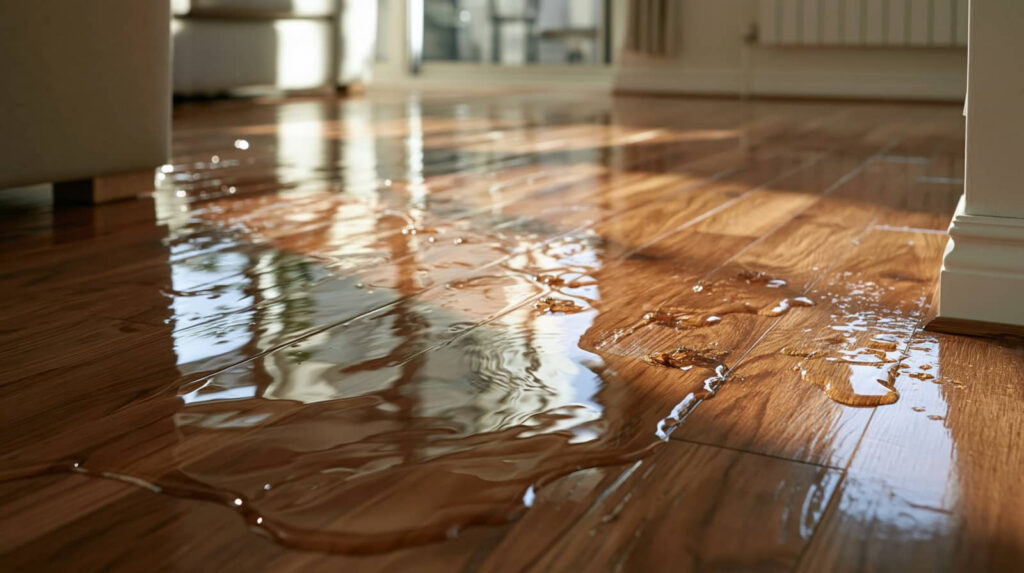
When a pipe bursts, you need to move fast to limit the damage and protect your home. You should shut off the main water supply, cut power to affected areas, and start removing standing water with pumps or a wet vac. Then you’ll need to dry floors, walls, and hidden spaces before moisture spreads. The next steps can make the difference between a quick recovery and a larger repair job.
Key Takeaways
- Shut off the main water supply and cut power to affected areas immediately to stop further damage and ensure safety.
- Remove standing water quickly using pumps, wet vacuums, towels, and fans to speed drying.
- Move furniture, rugs, and valuables to a dry area and protect items from further water exposure.
- Inspect walls, baseboards, and hidden spaces for trapped moisture using a moisture meter and air movers.
- Dry the area within 24–48 hours and call professionals if needed to prevent mold growth and structural damage.
Remove Water Fast After a Burst Pipe
When a pipe bursts, you need to remove water fast to limit the damage. Quick emergency water removal after a burst pipe stops moisture from soaking into subfloors, drywall, and insulation.
You should use pumps, wet vacuums, and absorbent towels to pull standing water from the area as soon as possible. Move damp rugs, furniture, and loose items to a dry space so water doesn’t spread.
Open doors and windows if conditions allow, and place fans to improve airflow across wet surfaces. Fast extraction helps reduce swelling, warping, and staining on floors and walls.
It also lowers the chance of odor and mold growth. You’re not alone in this; with prompt action, you can protect your home and restore it with confidence.
Shut Off Water and Stay Safe First
Before you do any cleanup, shut off the main water supply to stop the flow and limit further damage.
Then cut power to affected areas if water’s near outlets, appliances, or wiring.
If you can’t reach the main valve safely, call a plumber, utility provider, or your building manager right away.
Wear rubber-soled shoes and avoid standing in pooled water until you know the area is electrically safe.
You’re not handling this alone; smart, fast action protects your home and everyone in it.
Keep kids and pets out of the wet zone, and open doors for visibility and safer movement.
Once the water’s off and hazards are controlled, you can move to extraction with confidence, knowing you’ve stabilized the scene and reduced the risk of shock, slips, and further structural damage.
Emergency Water Removal for Floors and Carpets
With the water shut off and the area safe, start emergency water removal right away to reduce swelling, staining, and long-term mold risk on floors and carpets.
Pull up standing water with a wet vacuum, a pump, or absorbent towels, working from the edges toward the center. Lift area rugs, and move them to a dry space so air can circulate.
For carpet, use firm pressure to extract moisture without grinding debris deeper into the fibers. If the pad feels soaked, you’ll need fast removal and professional drying support.
Keep foot traffic off wet surfaces to prevent spreading contamination and damage. Set fans to move air across the floor, not directly into walls.
You’re not alone here; quick, methodical action gives your home the best chance to recover well.
Dry Walls, Baseboards, and Hidden Water
Once the floor water is under control, turn your attention to walls, baseboards, and hidden cavities where moisture can linger.
You should remove baseboards carefully, then inspect drywall edges, insulation gaps, and wall plates for dampness. Use a moisture meter to confirm what your eyes can’t see.
If readings stay elevated, set up air movers to push dry air along the wall surface and position a dehumidifier nearby to pull moisture from the room.
Open access points only as needed so you don’t spread damage. Keep checking lower wall sections, because water often wicks upward from the floor.
When you stay methodical, you protect the structure and keep the space safe for everyone returning home.
Save Furniture, Rugs, and Belongings
Lift salvageable furniture, rugs, and valuables out of the wet zone as soon as you can. Start with the heaviest pieces, then move smaller items to a dry room or covered porch.
Strip cushions, lift sofa legs onto blocks, and roll rugs out flat so water doesn’t pool inside the fibers. Keep electronics, documents, and family keepsakes together in labeled containers so you can track everything.
Use towels or plastic sheeting under damp feet and corners to protect clean floors while you work. If an item feels unstable or soaked through, get help before moving it.
Prevent Mold After Burst Pipe Damage
You need immediate moisture removal after a burst pipe to limit water absorption in floors, walls, and insulation.
Dry hidden areas behind baseboards, under flooring, and inside cavities so damp pockets don’t stay active.
Fast extraction and thorough drying help stop mold growth before it starts and keep repairs simpler.
Immediate Moisture Removal
Immediate moisture removal is critical after burst pipe damage because standing water and damp materials can start supporting mold growth in as little as 24 to 48 hours.
You need to act fast, since every minute of delay lets water soak deeper into flooring, baseboards, and furniture. Start by shutting off the source, then remove pooled water with pumps, wet vacuums, or absorbent towels.
Next, lift damp rugs, move wet items to a dry area, and protect salvageable belongings. Keep air moving with fans and dehumidifiers to reduce surface moisture.
When you respond quickly, you help limit odor, staining, and structural deterioration. You’re not dealing with this alone; fast, organized action gives your home the best chance to recover cleanly and safely.
Drying Hidden Areas
After the visible water’s gone, hidden moisture can still linger inside wall cavities, under cabinets, beneath flooring, and behind baseboards, where it can feed mold growth and damage materials.
You need to move air into these spaces with fans, open access points when safe, and use dehumidifiers to pull water vapor from the room.
If trim, kick plates, or vent covers block airflow, remove them carefully so dry air can reach trapped areas.
Check for cool, damp surfaces and repeat drying until materials feel dry and readings stabilize.
In our experience, acting quickly helps your home recover as one team, not as a collection of wet spots.
Keep monitoring hidden zones for several days, since trapped moisture often lingers longer than you’d expect, even after the surface looks dry.
Mold Growth Prevention
Once the hidden moisture is under control, the next priority is stopping mold before it starts. You need to keep indoor humidity below 60%, run dehumidifiers, and use fans to maintain airflow across affected rooms.
Remove wet drywall, insulation, and carpet padding that can’t dry quickly, because trapped moisture gives spores a place to grow. Clean hard surfaces with appropriate antimicrobial solutions, then rinse and dry them fully.
Check behind baseboards, under cabinets, and inside closets, since these spots often stay damp after a burst pipe. You’re not alone in this cleanup; a systematic response protects your home and helps you regain a safe, familiar space.
Keep monitoring for musty odors or discoloration for several days, and call a restoration pro if conditions worsen.
When to Call Water Removal Pros
You should call water removal pros right away if you see visible standing water after a burst pipe, since fast extraction limits spread and secondary damage.
If your walls or floors are soaked, technicians can measure hidden moisture and dry the structure before materials weaken or warp.
Quick service also cuts mold and odor risks, so you can protect your home and belongings before conditions worsen.
Visible Water Accumulation
When standing water is visible after a burst pipe, call water removal professionals right away, because fast extraction limits damage to flooring, drywall, and contents.
You can see the problem, but hidden moisture often spreads beyond the puddle, so trained technicians should assess the scene with meters and infrared tools.
They’ll remove water with high-capacity pumps and extractors, then set air movers and dehumidifiers to stabilize conditions.
You’ll get a clearer path to recovery when the team documents losses and explains each step.
Acting quickly also helps reduce slip hazards and electrical concerns.
If you’re unsure whether the amount is serious, treat any visible accumulation as urgent.
You’re not overreacting—you’re protecting your space and helping your home recover faster.
Soaked Walls Or Floors
Soaked walls or floors often mean water has already moved past the surface, so call water removal pros as soon as you notice soft drywall, warped flooring, or damp baseboards.
You don’t want moisture trapped inside framing, underlayment, or insulation. A trained crew uses meters and infrared tools to find hidden saturation, then extracts water, opens affected materials, and speeds drying with air movers and dehumidifiers.
If you wait, repairs can get bigger and more expensive. Acting fast also helps you protect shared living spaces and get your home back to normal sooner.
When you bring in pros early, you’re not overreacting—you’re taking the right step for your house, your routine, and everyone who counts on that space.
Mold And Odor Risks
Standing water and hidden moisture can start growing mold fast, especially in warm, poorly ventilated areas. You may notice musty odors before visible growth appears, and that smell often means moisture is still trapped in drywall, subfloors, or insulation.
Fast action helps you protect your home and feel confident in the cleanup process.
- Check for lingering dampness after visible water is gone.
- Watch for odor that returns after airing out the room.
- Inspect vents, baseboards, and closets for hidden moisture.
- Call water removal pros if you see discoloration, soft materials, or worsening smell.
Trained technicians use extraction, drying, and humidity control to stop mold from spreading.
You’re not dealing with this alone; quick, professional help keeps your space safer, cleaner, and more comfortable for everyone.
Frequently Asked Questions
How Do I Tell if a Pipe Is Still Leaking?
Check the meter, watch for pressure loss, and dry surrounding surfaces; if moisture reappears, you’ve got a leak. You can also listen for hissing and inspect joints. Stay calm—you’ll catch it early.
Can I Use a Shop Vacuum for Standing Water?
Yes, you can use a shop vacuum for shallow standing water if it’s wet-dry rated and grounded; empty it often, and keep cords dry. You’ll still need professional extraction for deeper flooding and hidden moisture.
Should I Document Damage Before Cleanup Starts?
Yes—take clear photos and videos before you start. You’ll help your claim, track losses, and show conditions. Then move fast with cleanup, but keep damaged items untouched until you’ve documented everything.
What Insurance Details Do I Need After a Burst Pipe?
You’ll need your policy number, insurer contact, claim number, date and time, cause of loss, photos, receipts, mitigation records, and repair estimates. Send everything promptly; you’ll speed review and protect your coverage.
How Long Before Water Damage Affects Electrical Outlets?
Water can reach outlets within minutes, and damage may start fast. You should shut power off, keep clear of wet areas, and call a qualified electrician quickly. Acting now protects your home and helps you belong to safety.
Summary
You’ve got one job after a burst pipe: move fast. Shut off the water, stay safe, and get the water out before it quietly turns your home into a mold factory. Dry floors, walls, and hidden spaces with air movers and dehumidifiers, and save anything you can salvage. It’s ironic, but the quickest way to fix a water disaster is to act before it feels urgent. If the damage’s too much, call pros right away.