
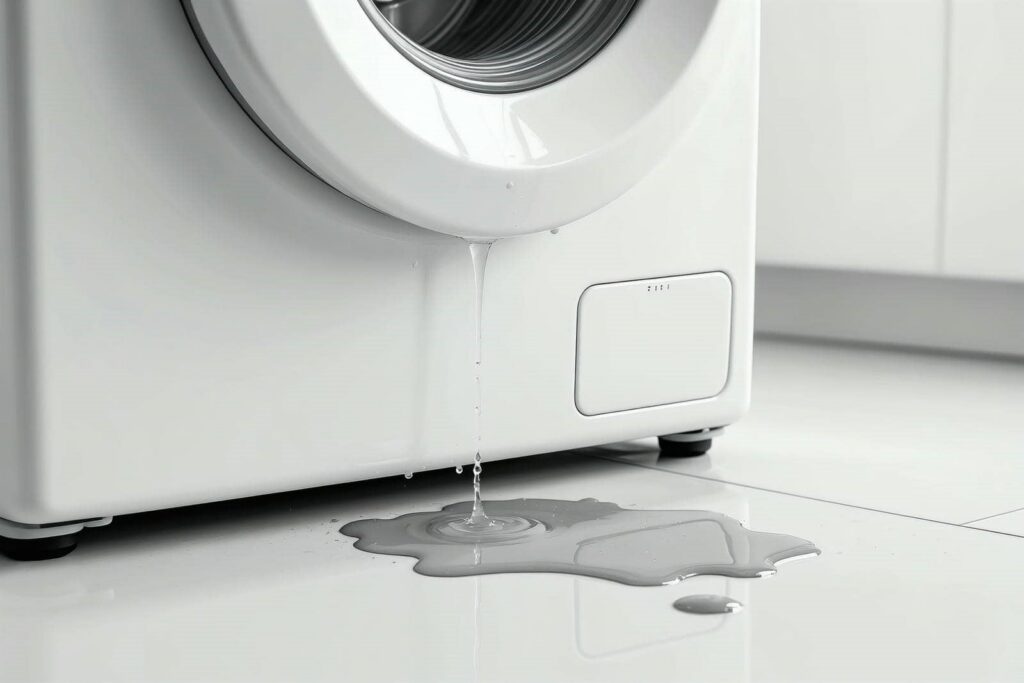
If your appliance leaks, you need to treat the water as a time-sensitive intrusion, not a minor spill. You’ll want to extract standing water fast, because moisture can wick into flooring, cabinets, and wall cavities within minutes. The real question is how far the damage has already spread, and whether simple drying is enough before hidden deterioration starts.
Key Takeaways
- Appliance leaks can damage floors, cabinets, and drywall even without visible flooding.
- Fast water extraction limits swelling, staining, corrosion, and hidden moisture spread.
- Quick drying helps protect hardwood, laminate, adhesives, and subfloor edges.
- Call a professional if water keeps returning, floors feel soft, or odors suggest hidden moisture.
- After extraction, use airflow and dehumidification to dry trapped moisture and prevent mold.
What Counts as Appliance Leak Damage?
Appliance leak damage counts when water from a washer, dishwasher, refrigerator, water heater, or similar unit escapes its normal path and reaches surrounding materials.
You may see swollen flooring, stained drywall, warped cabinets, rusted hardware, or damp subfloors. Even a small leak can count if moisture gets under surfaces or lingers in hidden spaces.
In your home, you don’t need visible flooding for damage to exist. If the leak leaves materials wet, soft, buckled, or discolored, you’re dealing with appliance leak damage.
Water extraction after appliance leak helps remove standing water and moisture from affected areas before it spreads.
You’re not overreacting when you document the source, inspect adjacent rooms, and check baseboards, trim, and seams for intrusion.
Why Water Extraction Needs to Start Fast
Once water gets past the appliance and into floors, cabinets, or wall cavities, every minute increases the chance of swelling, staining, corrosion, and microbial growth.
You need extraction to begin fast because moisture keeps moving by capillary action and gravity, spreading into hidden assemblies you can’t inspect easily.
Prompt removal lowers the moisture load before materials saturate and become harder to dry. It also helps you stay ahead of odor, rust on fasteners, and changes in finishes that signal deeper damage.
When you act quickly, you give your home the best chance to recover cleanly, and you’re not managing a bigger repair later.
Fast response isn’t overreacting; it’s the practical way to protect the structure you live in.
How Water Extraction Protects Floors and Cabinets
When water extraction starts quickly, you reduce the time floors and cabinets stay saturated, which helps limit swelling, warping, delamination, and finish damage.
You also lower the chance that moisture moves into seams, toe kicks, and subfloor edges, where hidden buildup can keep materials stressed. By removing standing water, you keep hardwood from cupping, laminate from lifting, and cabinet panels from softening.
Fast extraction also protects adhesives and edge banding, so joints stay tighter and surfaces stay aligned.
After you clear the water, you can support drying with airflow and dehumidification, helping remaining moisture leave more evenly.
If you act with your crew early, you give your home a better chance to stay stable, clean, and ready for the next repair step.
When You Need Professional Water Extraction
You need professional water extraction if the leak has spread beyond a small puddle, soaked under cabinets or into flooring seams, or started affecting drywall, insulation, or subflooring.
You’re not overreacting; you’re protecting your space and keeping damage from spreading. Call a crew when:
- Water keeps returning after you mop.
- Floors feel soft, swollen, or uneven.
- You smell musty odor near the appliance.
- Moisture reaches wall bases or hidden cavities.
These signs show water’s moving where surface cleanup can’t reach. Fast action limits structural wear, protects finishes, and helps your home stay healthy and comfortable.
If you’re unsure, trust the signs you can see and feel, and bring in help early.
What Happens During Water Extraction
After a leak spreads past a surface puddle, water extraction starts with a fast inspection to locate all affected areas, including under appliances, inside cabinet bases, and along flooring edges.
You’ll see technicians map moisture, lift standing water with truck-mounted or portable extractors, and pull liquid from carpet, pad, vinyl seams, or subfloor openings.
They may remove a toe kick or shift the appliance just enough to reach trapped water without adding damage.
You stay informed while the team checks that no pockets remain around plumbing penetrations and low spots.
This step matters because leftover water can spread, stain finishes, and weaken materials.
When the extraction phase is done correctly, your space is ready for the next stage of cleanup, and you’re not left guessing.
How to Dry Walls and Hidden Spaces After a Leak
Drying walls and hidden spaces starts once standing water is removed, because moisture trapped behind baseboards, inside cavities, or under cabinets can keep spreading long after the visible leak is gone.
You need targeted airflow and heat to pull moisture out of materials, not just the room.
- Remove toe-kicks and open access points.
- Set air movers to push air across wet wall surfaces.
- Place a dehumidifier nearby to lower humidity and speed evaporation.
- Check moisture readings daily until levels stabilize.
You’ll know the area is drying when surfaces feel cooler, lighter, and readings drop consistently.
Work methodically, and you’ll protect the structure while staying in control of the cleanup.
How to Prevent Mold After an Appliance Leak
Once standing water is gone and walls, cabinets, and hidden cavities are drying, mold prevention becomes the next priority.
You need to keep humidity below 50% by running dehumidifiers and exhaust fans continuously until materials reach safe moisture levels.
Remove soaked insulation, padding, and porous trim that can’t dry quickly. Clean hard surfaces with detergent and dry them completely; then apply an EPA-registered antimicrobial only if the product label fits the material.
Check behind appliances, under toe kicks, and inside wall voids with a moisture meter for lingering dampness. Replace filters in HVAC units if they were exposed.
Keep affected areas ventilated, and avoid sealing in moisture. When you act fast and methodically, you protect your home and stay part of a healthy space.
Frequently Asked Questions
Can Insurance Cover Appliance Leak Water Extraction Costs?
Yes, you can often get coverage if your policy includes sudden accidental water damage. You’ll need to document the leak, stop further loss, and file promptly; your deductible and exclusions may still apply.
How Much Does Water Extraction After a Leak Typically Cost?
You’ll usually pay $500 to $3,000 for extraction, depending on water volume, flooring, and access. You can expect higher costs for severe leaks, emergency response, or drying equipment that protects your home and fits your needs.
Should I Turn off Electricity Before Cleaning up Leak Water?
Yes, you should turn off electricity before cleaning leak water, especially near outlets or appliances. Don’t be a knights-errant hero; cut power at the breaker, then dry the area to protect yourself and your home.
Can I Use a Household Fan Instead of Extraction Equipment?
Yes, you can use a household fan for light drying, but you’ll only move surface moisture. You’ll still need extraction equipment to remove trapped water fast, protect subfloors, and reduce mold risk.
How Do I Know if Subflooring Was Damaged by the Leak?
You’ll know subflooring’s damaged if it feels soft, swells, delaminates, or stays damp after drying. You may hear squeaks, see stains, or notice cupping flooring. Probe suspicious areas or get a moisture meter reading.
To Sum Up
Think of appliance leak damage like a silent drip that turns into a flood. You need to extract water fast to stop swelling, staining, and hidden moisture from spreading. Use targeted airflow, dehumidifiers, and humidity monitoring to dry floors, cabinets, walls, and concealed spaces. If water has reached structural materials or you can’t control moisture below 50%, call a professional right away to protect your home and prevent mold.