
You should call 24-hour water removal services as soon as a burst pipe, major leak, or spreading standing water threatens your home. If water is near electrical outlets, soaking drywall, or moving into flooring, time matters. Shut off the main supply if you can do it safely, then document the damage for insurance. The first few hours can decide whether you’re facing simple extraction or a far more complex repair.
Key Takeaways
- Call immediately when water is spreading across floors, seeping under baseboards, or saturating carpets and drywall.
- Contact emergency service after burst pipes, major leaks, or flooding that you cannot quickly stop at the source.
- Seek 24-hour help if standing water is near electrical outlets or creates any safety risk.
- Request urgent removal when ceilings sag, floors warp, or materials show swelling, discoloration, or dampness.
- Act fast if the space is humid, musty, or at risk for mold growth within 24–48 hours.
Signs You Need 24-Hour Water Removal
If water is spreading after a leak, flood, or pipe break, don’t wait until morning to act. You need 24 hour water removal services when water keeps moving across floors, seeps under baseboards, or pools in low spots.
You also need help if carpets feel saturated, drywall looks damp, or the air turns heavy and humid. Check for swelling wood, discoloration, and a musty smell; those signs mean moisture’s staying trapped.
If your home’s electrical areas, vents, or belongings got wet, treat it as urgent. Acting fast helps you protect your space and stay in control with your crew beside you.
Prompt extraction lowers the chance of hidden damage, so you can get back to normal sooner.
When to Call After Burst Pipes or Major Leaks
When a pipe bursts or a major leak starts, call for water removal services right away. You need rapid extraction to limit water migration into subfloors, wall cavities, and insulation.
Shut off the main supply if you can do it safely, then document the affected areas for your records. A certified team will assess saturation, set up extraction equipment, and monitor moisture levels in structural materials.
If you wait, water can spread through shared walls, flooring connections, and built-in cabinetry, making restoration harder for everyone in your home. Acting quickly helps your space recover as a unit, with fewer repairs and less disruption.
After the leak stops, keep the area accessible so technicians can work efficiently and restore your property with confidence.
When 24-Hour Water Removal Is Urgent
24-hour water removal is urgent any time standing water is actively spreading, soaking structural materials, or creating immediate safety risks in your home.
You should call right away if water reaches electrical outlets, subfloors, wall cavities, or HVAC components. Fast response also matters when you can’t isolate the source, the area keeps re-wetting, or you notice sagging ceilings, warped flooring, or contaminated water.
Acting now helps your household stay safer and keeps the cleanup process controlled. You don’t have to handle this alone; a trained team can arrive, assess conditions, and start extraction without delay.
If your space feels overwhelmed, that’s a clear sign to bring in 24-hour service. Quick action protects your home and supports the people living there.
Why Standing Water Needs Immediate Removal
Standing water needs immediate removal because it creates a fast path for mold growth in damp materials and concealed spaces.
You also risk structural damage as water seeps into drywall, subfloors, insulation, and framing.
If you wait, the cleanup gets more complex and the repair costs usually rise.
Mold Growth Risks
If water sits in your home after a leak, flood, or pipe break, mold can begin developing quickly and spread into porous materials before you notice visible damage.
You need fast extraction because mold spores settle on drywall, carpet, insulation, and wood within 24 to 48 hours when moisture stays elevated.
Once growth starts, you may notice musty odors, discoloration, or allergy symptoms, but the colony can already be deeper inside hidden areas.
Acting now helps you protect the spaces where your family feels safe and comfortable.
24 hour water removal services lower indoor humidity, remove the source of moisture, and reduce the conditions mold needs to thrive.
Prompt drying also supports better air quality and limits the chance that cleanup becomes more involved later.
Structural Damage Risks
Water that lingers after a leak, flood, or pipe break doesn’t just raise mold concerns; it can also weaken the materials that hold your home together. You may not see the damage at first, but saturated drywall swells, wood framing twists, and subfloors lose strength fast.
Water can seep into joints, separate adhesives, and corrode metal fasteners, which makes floors soft and walls unstable. If the moisture reaches insulation or load-bearing components, you’re dealing with more than cleanup—you’re protecting your home’s structure and your household’s safety.
That’s why you shouldn’t wait until morning. Fast water extraction helps limit warping, settling, and costly repairs. When you act quickly, you keep your space safer and help your home recover with less disruption for everyone living there.
How Water Damage Gets Worse Overnight
When you leave water damage untreated overnight, moisture stays trapped in materials and gives mold a faster start.
Wood, drywall, and insulation can also absorb more water, so structural damage spreads while you wait.
If you need 24 hour water removal, acting before morning can limit both microbial growth and material failure.
Mold Growth Accelerates
Even a few hours of standing moisture can trigger mold growth, and the risk climbs fast overnight in damp drywall, carpet, and insulation.
You may not see it yet, but spores can start colonizing wet surfaces within 24 to 48 hours. Warm indoor air, trapped humidity, and porous materials give mold the conditions it needs to spread.
If you wait until morning, you’re giving it time to settle deeper into affected materials and release more airborne spores into your home. That can worsen indoor air quality and make cleanup more involved.
Call for 24 hour water removal services right away so you can dry materials fast, reduce contamination, and protect the comfort of everyone in your space.
Structural Damage Spreads
If moisture sits overnight, it can keep moving through drywall, subfloors, framing, and insulation, weakening materials that looked only slightly affected at first.
You may notice swelling, soft spots, or sagging by morning, but the real damage often starts inside the wall cavity. Water wicks through seams, saturates fasteners, and loosens adhesives, so floors can creak and trim can separate.
If you delay, wood can warp, metal can corrode, and structural members can lose strength. You’ll also trap moisture where air can’t reach, which speeds hidden deterioration.
Calling 24 hour water removal services helps you act as a team with your home, stop spread early, and protect the structure before repairs become far more extensive and expensive.
What Emergency Water Removal Teams Do
Emergency water removal teams respond fast to extract water after leaks, floods, pipe breaks, and any standing water that can’t wait until morning.
You’ll see them assess the source, stop further spread, and map affected zones with moisture meters and thermal imaging.
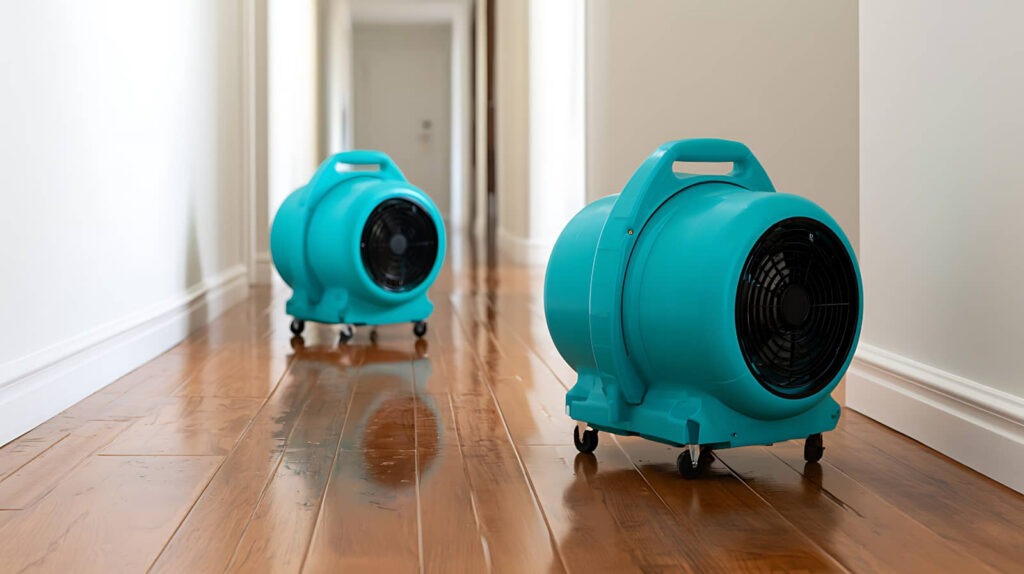
Next, they pump out pooled water, set up air movers and dehumidifiers, and monitor drying so hidden dampness doesn’t linger in walls, floors, or insulation.
They also remove unsalvageable materials, clean contaminated surfaces, and document conditions for your records.
Their work helps you protect structure, reduce mold risk, and regain safe use of the space.
When your home or business is hit, this team gives you a clear, controlled response and a path back to normal.
How to Choose a 24-Hour Water Removal Team
Once you know what emergency water removal teams do, the next step is choosing one you can trust at any hour.
Verify 24/7 dispatch, rapid arrival times, and live phone support, not voicemail. Ask whether they use moisture meters, infrared cameras, truck-mounted extractors, and HEPA filtration.
You should confirm they document damage, protect contents, and coordinate drying plans. Check insurance, licensing, certifications, and local references.
A strong team explains scope, pricing, and next steps before work starts, so you stay informed and in control. Choose technicians who answer clearly, respect your property, and communicate like partners.
When you’re dealing with leaks, floods, or standing water, you deserve a crew that responds fast and works methodically to get your space back to normal.
Frequently Asked Questions
Does Homeowners Insurance Cover 24-Hour Water Removal Services?
Usually, yes, if a covered peril caused the damage. You should review your policy, document the loss, and call your insurer fast. Emergency extraction can limit mold, reduce costs, and strengthen your claim.
How Quickly Can a Water Removal Team Arrive at My Home?
You can often get a team at your home within 60 to 90 minutes. Why wait and risk more damage? You’ll get fast assessment, extraction, and drying, helping you protect your home and peace.
Can I Stay in My Home During Water Removal?
You can stay, but you shouldn’t if water’s near electricity, sewage, or structural damage. You’ll need safe access, ventilation, and dry areas. Your team will assess hazards, isolate zones, and protect your belongings.
What Should I Do Before the Emergency Team Arrives?
You should shut off the water, unplug nearby electronics, move valuables higher, and document damage. Don’t enter unsafe areas. If you can, ventilate rooms and clear access so the emergency team can start fast.
How Much Do 24-Hour Water Removal Services Usually Cost?
You’ll usually pay $500–$3,000, though a small leak costs less and a flooded basement costs more. Technicians assess square footage, saturation, and equipment needs, so you can expect a quote after inspection.
Review
When a pipe bursts or a hidden leak turns into standing water, you should call 24-hour water removal right away. If you happen to shut off the main supply and document the damage first, you also protect your next steps. Coincidentally, the sooner you act, the less likely water is to spread into walls, flooring, and wiring. Fast response isn’t just convenient; it’s the practical way to limit damage and restore safety.