
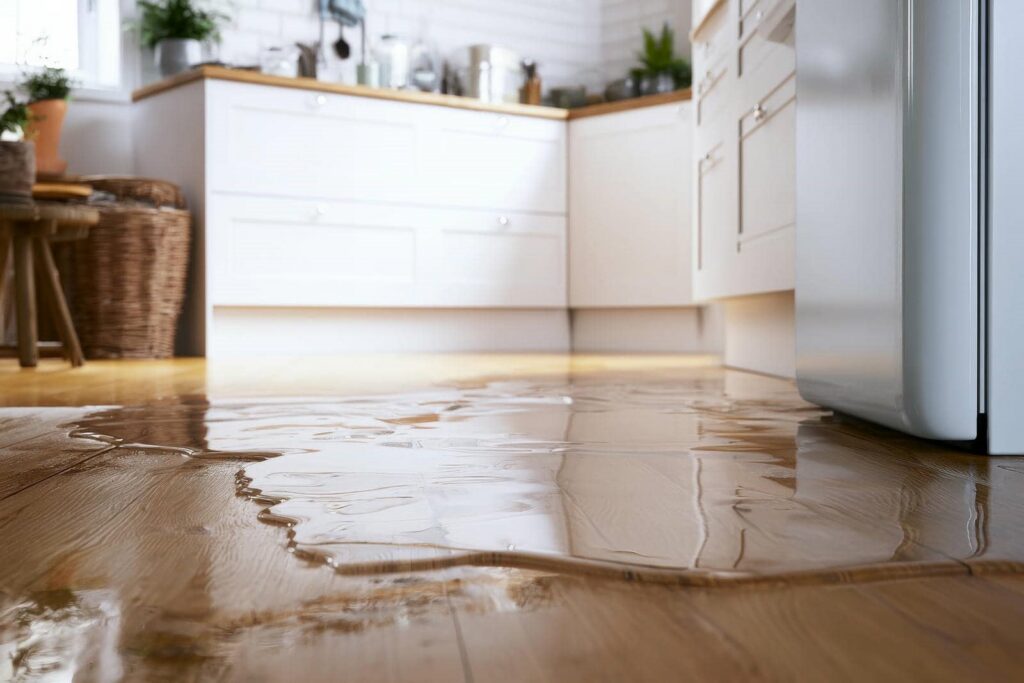
Nearly 24% of U.S. homeowners report water damage claims each year, and you can limit the fallout if you act fast. You need to shut off power and the main supply, check for hidden hazards, and remove standing water with the right tools before moisture spreads into framing and drywall. If you miss the early signs, the cleanup gets harder and the damage can quietly keep growing.
Key Takeaways
- Stop the leak, shut off electricity if safe, and wear protective gear before entering standing water.
- Remove standing water quickly with buckets, a wet/dry vacuum, mops, and absorbent towels.
- Use fans and dehumidifiers to dry floors, walls, and hidden damp areas as soon as possible.
- Check for contamination, structural damage, and mold signs, and document affected materials with photos.
- Inspect plumbing, drains, and fittings for ongoing leaks, and call a professional if damage is severe.
Why Standing Water Removal Matters Fast
Standing water needs to come out fast because it can spread into flooring, walls, and insulation within hours, causing more structural damage and creating conditions for mold growth.
When you start standing water removal from home promptly, you limit capillary wicking, reduce swelling in wood and drywall, and help preserve finishes that your household relies on. You also cut the time bacteria and contaminants have to multiply, which keeps cleanup more manageable for everyone involved.
Act quickly, but methodically: assess how far the water has migrated, note affected materials, and plan removal in stages. The sooner you respond, the better your chances of restoring a safe, familiar space without avoidable loss.
Fast action doesn’t just protect your property; it helps your home stay the place where everyone feels secure.
How to Turn Off Water and Power Safely
Before you remove water, shut off the utilities that could make the job dangerous or worsen the damage.
First, locate the main water valve and turn it clockwise until it stops. If you have a leak from one fixture, you can close that branch valve instead.
Next, switch off electricity to the affected area at the breaker panel. If water is near outlets, appliances, or the panel itself, cut power to the whole home only if you can reach the panel without standing in water.
Use a dry flashlight, never wet hands, and don’t touch damaged cords.
If gas equipment is in the flooded area, turn off the gas only if you know the shutoff point and smell isn’t present.
After each shutdown, confirm the system is secure before you start cleanup together.
What to Do Before You Start
Before you start, assess the damage for electrical hazards, structural instability, and contamination so you can work safely.
Make sure the power stays off at the breaker, and don’t enter any area where water may reach outlets, cords, or appliances.
Then gather cleanup supplies, including pumps, wet vacs, buckets, gloves, boots, disinfectant, and absorbent materials, so you can remove water efficiently.
Assess Damage Safely
Scan the area for immediate hazards before you enter standing water. Look for sagging ceilings, loose drywall, broken glass, sharp debris, and active leaks.
Check the floor for hidden openings, warped boards, and slippery surfaces, and move slowly so you can test each step. If the water is cloudy, discolored, or has a strong odor, treat it as contaminated and keep skin contact minimal.
Use a flashlight, not a wall switch, to inspect dark rooms. Wear boots, gloves, and eye protection so you stay part of the cleanup team without adding risk.
Photograph visible damage for records, then note affected rooms, materials, and furniture. If anything seems unstable, stop and wait for professional help.
Your first job is to read the space carefully and protect everyone nearby.
Cut Power Off
Once you’ve confirmed the area is safe to approach, shut off electricity to the affected space at the breaker panel and, if needed, the main service disconnect.
This step keeps you and your household protected from shock while you work around standing water. If water has reached outlets, baseboards, cords, or appliances, don’t restore power until a qualified electrician says the circuit is dry and sound.
Label the breaker if you can, so no one turns it back on by mistake. Keep your hands dry and avoid touching metal switches or plugged-in devices.
If you smell burning, hear buzzing, or see sparks, stay clear and call for help.
Your safety crew starts here: power off first, then move on to cleanup with confidence, control, and trust.
Gather Cleanup Supplies
Gather the right cleanup supplies now so you can work quickly and safely once the area is powered down.
Put on gloves, boots, eye protection, and a mask before you enter.
Collect buckets, a wet/dry vacuum, mop, squeegee, absorbent towels, and sturdy trash bags.
Bring a flashlight, extension cords rated for damp areas, and a fan if you’ll need to move air later.
Keep a first aid kit nearby.
If the water may be contaminated, use disinfectant and separate cleaning tools from dry rooms.
Stage everything at the entry so you’re not walking back and forth through the mess.
When your gear is ready, you can join the rest of the cleanup team and start removing water methodically, one step at a time.
Best Ways to Remove Standing Water Safely
Start by shutting off power to the affected area if water is near outlets, appliances, or cords. Then remove standing water with the safest method for the volume and source of the leak.
If the water is shallow, use towels or a wet/dry vacuum. For deeper water, use a sump pump or a utility pump rated for the job. If contamination is possible, wear gloves and boots, and keep children and pets away.
Work from the highest edge toward the drain or exit, and move steadily to avoid spreading water.
- Use a mop only for thin puddles.
- Empty vacuum tanks before they overflow.
- Route discharge water to a safe exterior area.
- Stop if you smell gas or see damage.
You’ve got this.
How to Dry Floors, Walls, and Belongings
After you remove the standing water, dry the area immediately by opening windows, running fans and dehumidifiers, and keeping air moving across floors, walls, and affected belongings.
Lift rugs, move furniture, and separate items so each surface can dry evenly. Wipe hard floors with clean, absorbent towels, then reposition fans to blow across the floor, not straight into one spot.
For drywall and trim, use towels to remove surface moisture and keep ventilation steady.
Take books, textiles, and small possessions to a dry room, and spread them out so you can inspect and dry them faster.
Replace saturated boxes and padding, and keep materials off the floor on blocks or shelves.
Check the space often, and keep the drying setup running until everything feels dry to the touch.
Signs Water Damage Has Gone Too Far
If the water has been sitting long enough to soak into materials, you may already be past simple drying and into damage control. Check the room methodically for signs that moisture has spread beyond the surface. You’re looking for warning conditions that won’t improve with basic cleanup.
Warped baseboards or cupped flooring
Drywall that feels soft, swollen, or crumbles
Persistent musty odor after drying
Visible mold spots or stained seams
When you see these, the structure may be holding moisture in hidden layers. Keep monitoring the area, but don’t assume the damage is minor just because the surface looks better.
You’re part of a group of homeowners who can catch these signs early and limit further deterioration.
When to Call a Water Damage Pro
When standing water has already soaked into flooring, drywall, or insulation, a water damage pro can stop the problem from spreading further. You should call one if the water came from a sewer line, covered a large area, or kept returning after your first cleanup.
You also need help when you smell musty odors, see warped materials, or notice swelling at baseboards and trim. A pro uses moisture meters, thermal imaging, and high-capacity extraction to verify hidden saturation.
They can remove damaged materials, dry structural cavities, and document conditions for insurance. If you’re unsure about safety, electrical exposure, or mold risk, don’t guess.
Getting expert support helps you protect your home, stay organized, and recover with confidence alongside neighbors facing the same kind of damage.
How to Prevent Standing Water After Leaks
To prevent standing water after a leak, you need to stop the water at its source, shut off the main supply if necessary, and remove anything that can block drainage.
Then you can protect your space by checking low areas, door thresholds, and appliance pans before water pools. You’ll help your home recover faster when you act methodically:
- Inspect supply lines, valves, and fittings for drips.
- Clear floor drains, gutters, and downspouts.
- Run fans and dehumidifiers to reduce moisture.
- Raise stored items off the floor.
After that, dry hard surfaces, seal minor gaps, and monitor humidity for 24 to 48 hours.
If water keeps returning, you may have a hidden leak or drainage problem that needs a professional.
You’re not alone in this; steady prevention keeps your home safer.
Frequently Asked Questions
How Do I Know if the Water Is Contaminated?
You’ll know it’s contaminated if it smells foul, looks cloudy, or came from sewage, floodwater, or a broken appliance. Treat any unknown water as unsafe, wear protection, and test before you touch it.
Can I Safely Use a Wet Vacuum on Carpet?
Yes, you can, but only if you’re dealing with clean water and your vacuum’s rated for wet use. Empty the tank often, dry the carpet fast, and join the careful cleanup crew.
What Should I Do With Soaked Drywall?
You should remove soaked drywall fast, since it can’t dry safely. Cut out wet sections, inspect insulation, disinfect framing, and run fans and dehumidifiers. If swelling or mold appears, you’ll need replacement, not patching.
How Long Does Mold Take to Start Growing?
Mold can start growing within 24 to 48 hours. You should dry materials fast, remove wet debris, and increase airflow. Like a silent tide, moisture invites growth; you’ll protect your home by acting immediately.
Will My Insurance Cover Water Removal Costs?
It may cover water removal costs if your policy includes sudden, accidental damage; you’ll need to document the loss, call your insurer promptly, and follow their mitigation steps to protect your claim and belongings.
Recap
You can protect your home by acting fast, turning off power and water, and removing standing water with safe, steady steps. Dry floors, walls, and belongings completely, then watch for warped wood, stains, or mold. If damage spreads or water lingers, call a pro. Keep pumps, fans, and preventive plans ready so you’re prepared next time. Quick, careful cleanup limits costly corrosion, contamination, and continued damage.