
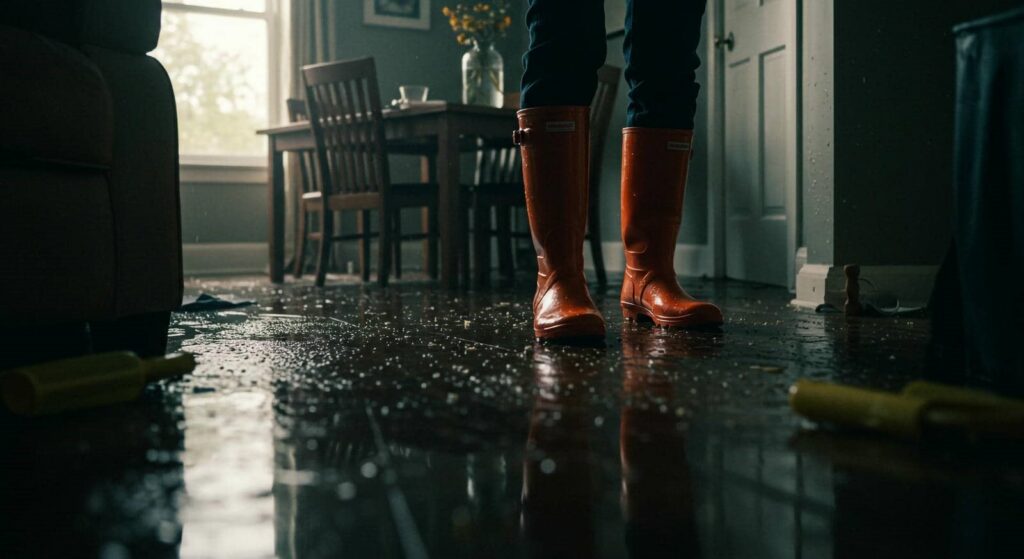
Up to 48 hours is all it can take for mold to start after storm water enters your home. You need emergency water removal fast to limit structural damage, protect indoor air quality, and keep materials from swelling, rotting, or breaking down. Whether you’re dealing with a roof leak, flooded basement, or water in walls, the first steps you take can change the outcome—and one mistake can make the damage spread.
Key Takeaways
- Remove standing water immediately with pumps, wet vacs, or mops to prevent further damage and mold growth.
- Stop the water source by repairing roof leaks, covering openings, or shutting off water supply if needed.
- Dry affected areas fast using fans, dehumidifiers, and ventilation to reduce moisture in walls, floors, and basements.
- Protect belongings by lifting furniture, removing wet rugs, and documenting damage for insurance claims.
- Call professionals if flooding is extensive, water returns, or moisture reaches drywall, insulation, or subfloors.
What Counts as Emergency Water Removal?
Emergency water removal means quickly extracting standing or pooled water after storm damage to prevent further structural and material damage.
You need emergency water removal after storm when water enters your home through roof leaks, broken windows, soaked walls, flooded floors, or a wet basement.
You’re dealing with an emergency if water keeps spreading, reaches electrical areas, or soaks insulation, drywall, carpet, or subflooring.
You should also act when trapped moisture creates damp odors or visible staining.
Professional crews use pumps, vacuums, moisture meters, and dehumidifiers to remove water and verify what’s still wet.
That process helps you protect your space, stay comfortable, and feel confident that your home is back under control.
Why Storm Damage Needs Fast Action
When storm damage leaves your roof, basement, or living space wet, you need to remove water fast to stop mold from forming.
Quick action also limits swelling, rot, and other structural damage that can spread through materials and framing.
It can also protect your belongings from irreversible water loss.
Prevent Mold Growth
Storm damage can trigger mold growth fast, so you need to remove standing water and dry affected materials as soon as possible.
Mold spores already exist in the air, and once moisture lingers, they can colonize drywall, carpet, insulation, and wood within 24 to 48 hours. You protect your home by opening airflow paths, running dehumidifiers, and extracting moisture from hidden pockets behind baseboards and under flooring.
If you act quickly, you reduce the conditions mold needs to spread and keep your indoor air safer for everyone in your space. You don’t have to manage it alone; a fast, organized response helps your household stay comfortable, healthy, and confident after a storm.
Limit Structural Damage
Water can weaken a home’s structure quickly, so you need to remove it fast after roof leaks, flooding, or water intrusion.
Moisture soaks into drywall, framing, subfloors, and insulation, then adds weight and stress that can warp materials and compromise load-bearing components.
If you act quickly, you reduce swelling, sagging, and delamination before minor damage becomes a major repair.
You also help keep hidden cavities from staying saturated, where deterioration can spread behind walls and under floors.
Fast extraction lets you dry structural materials in a controlled way, restoring stability and giving your home a better chance to recover.
When your team responds right away, you protect the integrity of the space you belong in and avoid costlier reconstruction later.
Protect Personal Belongings
If you act fast after roof leaks, flooding, or water intrusion, you can protect more than the structure of your home—you can save your belongings too.
Your furniture, photos, electronics, clothing, and keepsakes absorb moisture quickly, and damage spreads in hours. Remove items from wet areas, document losses, and separate salvageable belongings from saturated ones.
Use fans and dehumidifiers to reduce humidity, but don’t run electronics until they’re inspected. Clean water can still stain fabrics and warp wood, while contaminated water can leave residue and odors that worsen over time.
When you respond quickly, you give yourself the best chance to recover the things that make your home feel like yours. Fast emergency water removal helps you preserve both value and comfort.
Emergency Water Removal for Roof Leaks
When you spot a roof leak, inspect the source quickly so you can identify damaged shingles, flashing, or punctures before the water spreads.
You should contain the intrusion immediately with buckets, tarps, or plastic sheeting to protect ceilings, insulation, and flooring.
Then start controlled drying steps with ventilation, dehumidification, and moisture checks to limit hidden damage and mold growth.
Leak Source Inspection
A thorough leak source inspection helps you stop roof-related water intrusion before damage spreads to ceilings, insulation, and framing.
You should examine shingles, flashing, vents, chimneys, skylights, and roof penetrations for cracks, gaps, lifted edges, and impact damage.
Check attic surfaces for damp sheathing, dark stains, rusted fasteners, and active drips, then trace each mark upward to its origin.
Use a flashlight and moisture meter to confirm hidden saturation in familiar storm-damaged zones.
You’ll often find the issue where materials meet or where wind has compromised seals.
Document every defect with photos and notes so you can coordinate repairs confidently with your trusted restoration team.
When you inspect carefully, you protect your home, your space, and the people who count on it.
Immediate Water Containment
Once you’ve confirmed a roof leak, you need to contain the water fast to limit interior damage and keep the problem from spreading.
Move buckets, pans, or waterproof tubs beneath active drips, and place towels around the perimeter to catch splash. If water is pooling, you can use a wet vacuum to remove surface water from finished floors, but keep electrical gear clear of the area.
Protect nearby furniture, rugs, and stored items with plastic sheeting or tarps, and shift valuables to a dry room.
If you’ve got ceiling bulging, mark the area and keep people away. You’re not just protecting materials; you’re stabilizing the space so your household can stay safer and more organized until professional repairs begin.
Roof Drying Steps
After you’ve contained the leak, start drying the roof area right away to reduce structural damage and mold growth. You should remove standing water with a wet vac or towels, then lift any damp insulation so airflow can reach the decking.
Set up high-velocity fans and a dehumidifier to pull moisture from the cavity. If safe, open attic vents and inspect sheathing for soft spots, staining, or sagging. You’ll want to keep electrical fixtures dry and shut off power near wet areas.
Check the roof covering outside for missing shingles, damaged flashing, or punctures, then schedule temporary patching if needed. Work methodically, and you’re not alone—these steps help protect your home and your crew’s confidence.
Emergency Water Removal After Flooding
When floodwater enters your home, you need emergency water removal fast to limit structural damage, protect indoor air quality, and reduce the risk of mold growth.
You should shut off power to affected areas, then remove standing water with pumps, wet vacs, or truck-mounted extraction. Move salvageable items out of the wet zone, and lift furnishings on blocks to help airflow.
If water touched porous materials, document damage for your insurer before disposal. You’ll get better results when you act within hours, because lingering moisture weakens framing, finishes, and insulation.
Work with a crew that checks hidden pockets behind baseboards and under flooring, so you’re not left guessing. With prompt extraction and clear coordination, you can protect your home, restore confidence, and get back to normal sooner.
Drying Wet Basements Before Mold Spreads
If your basement is wet, start drying it right away to stop mold before it takes hold and to limit damage to framing, drywall, and stored contents.
Open windows only if outdoor air is dry and safe, then run fans and a dehumidifier to pull moisture from the room.
Remove standing water with a pump or wet vac, and lift boxes, rugs, and furniture off the floor so air can move under them.
Sort salvageable items quickly, and keep damp materials separated from dry ones.
Check humidity often; you want it below 50% during drying.
Change air filters if your HVAC runs.
You’re not dealing with this alone fast, steady drying helps your basement recover cleanly and keeps your space healthier for everyone inside.
How to Stop Water From Spreading in Walls and Floors
Stop water from spreading by acting at the source: shut off the water supply or contain the leak, then remove standing water before it wicks into drywall, insulation, subfloors, and framing.
Next, pull up wet rugs, mop hard surfaces, and create airflow with fans and dehumidifiers. You should lift furniture legs onto blocks and use plastic or foil barriers to keep moisture from migrating into wood.
If water has reached wall cavities, remove baseboards and open small inspection points so trapped moisture can escape. Check floor joints, trim, and corners for dampness, and keep these areas isolated with clean towels or absorbent pads.
Acting quickly helps you protect the structure and stay in control together, even when the damage feels overwhelming.
When Emergency Water Removal Is Needed
Emergency water removal becomes necessary as soon as stormwater, roof leaks, or plumbing failures start pooling, soaking materials, or moving into hidden spaces.
You should act fast when water reaches drywall, insulation, subfloors, baseboards, or electrical areas, because damage spreads quickly and mold can begin within 24 to 48 hours.
If your basement feels damp, floors buckle, ceilings stain, or you smell musty odors, you need immediate extraction and drying.
After flooding, even small amounts trapped behind walls or under flooring can keep harming your home.
You’re not alone in this; prompt response protects your structure, improves safety, and helps you recover with confidence.
Call for emergency service right away when water won’t stop, keeps returning, or covers more than a few square feet.
Frequently Asked Questions
How Quickly Should Water Be Removed After Storm Damage?
You should remove water within 24 to 48 hours, ideally sooner. You’ll limit structural damage, mold growth, and odors, and protect your space. Act fast, and you’ll keep your home safer.
What Equipment Is Used for Emergency Water Extraction?
You’ll use powerful truck-mounted extractors, portable wet vacs, submersible pumps, and specialized carpet wands. You’ll also need air movers, dehumidifiers, and moisture meters to remove water efficiently, dry thoroughly, and protect your space.
Can I Stay in My Home During Water Removal?
Yes, you can sometimes stay, unless crews isolate rooms, run loud extractors, or find contamination. You’ll follow safety guidance, keep clear of wet areas, and still sip coffee while the industrial symphony hums.
Will Insurance Cover Emergency Water Removal Costs?
Usually, yes—your policy may cover emergency water removal if a covered event caused the damage. You’ll need quick documentation, and you should contact your insurer immediately to confirm limits, deductibles, and exclusions.
How Do Professionals Find Hidden Water Damage?
You’ll find hidden water damage with moisture meters, thermal imaging, and inspection of walls, floors, and insulation. You can also check for odors, staining, swelling, and damp materials to confirm unseen intrusion quickly.
Recap
When storm water hits, you need to act fast every minute counts. You’ll reduce structural damage, limit mold growth, and protect your indoor air by removing standing water, drying surfaces, and improving airflow right away. If water has reached walls, floors, or a basement, don’t wait for it to spread. Document the damage, use the right extraction tools, and call in help when needed. Swift emergency water removal keeps you ahead of the curve and protects your property.