
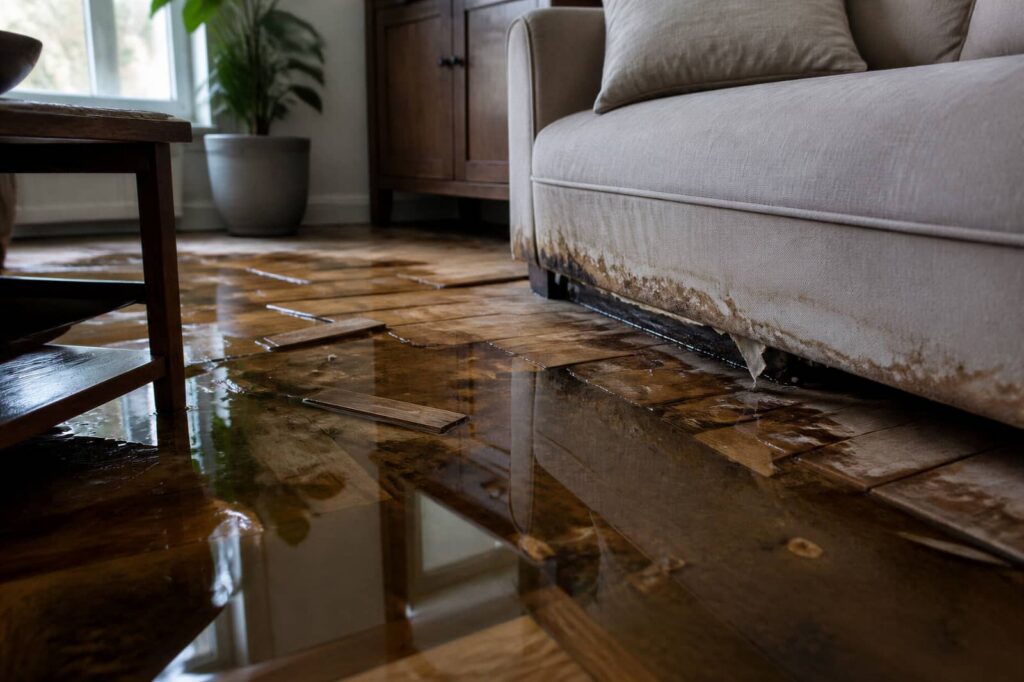
After heavy rain or stormwater intrusion, you need to act fast, but only after you’ve verified the area is safe and power is shut off. Flood Damage Cleanup After Heavy Rain involves removing standing water, drying materials, and discarding anything that’s contaminated before mold and structural damage spread. The real challenge is spotting hidden moisture and knowing what can be salvaged, which is where the next steps become critical.
Key Takeaways
- Shut off power safely, wear protective gear, and assess for structural hazards before entering flood-damaged areas.
- Remove standing water quickly using pumps, wet vacs, or buckets, then improve airflow with fans and dehumidifiers.
- Discard soaked insulation, warped drywall, and damaged trim; bag debris and disinfect hard surfaces with approved cleaners.
- Check walls, baseboards, framing, and subfloors for hidden moisture or mold before rebuilding.
- Repair damage, confirm electrical safety, and prevent future flooding by fixing drainage, sealing cracks, and maintaining sump systems.
Assess Safety Before Flood Cleanup
Before you begin flood damage cleanup, you should assess the area for safety to reduce the risk of injury, contamination exposure, and electrical hazards.
Inspect walls, floors, and access points for instability, sharp debris, and hidden slip risks. Shut off power only if you can do so from a dry location, and never enter spaces with suspected structural damage.
Wear gloves, boots, eye protection, and a respirator if you detect silt, sewage, or mold odor. Document conditions before you move materials, since your team may need records for insurance or remediation planning.
During flood damage cleanup after heavy rain, clear only safe pathways, keep children and pets away, and work with trusted professionals when hazards exceed your limits.
Stop Standing Water and Drain Safely
You should remove standing water as soon as possible to limit moisture spread and contamination.
Use pumps, wet vacuums, or buckets to drain it, and route water away from the structure safely.
Don’t discharge water into electrical areas, sewage backups, or places where it can re-enter the home.
Remove Standing Water
Start by removing standing water as quickly as possible to limit moisture spread, contamination, and mold growth. You can use a wet vac, pump, or buckets for shallow pooling, depending on the depth and volume.
Work from the lowest area toward exits so you don’t trap water in corners or under fixtures. Keep electrical devices off in affected zones, and wear gloves, boots, and eye protection while you work.
As you clear water, check baseboards, thresholds, and seams for hidden saturation. Remove absorbent materials only if they’re soaked and no longer drying in place.
Group your team’s tasks so one person extracts water while another monitors progress. Fast, organized removal helps your home dry sooner and supports a safer recovery after heavy rain and stormwater.
Drain Away Safely
Once standing water is contained, drain it safely to prevent backflow, additional contamination, and structural damage.
You should use sump pumps, wet vacuums, or floor drains only when they discharge to approved outdoor or sanitary locations. Check local codes before you route water, and never send stormwater into sewer lines unless authorities allow it.
Keep discharge hoses clear of walkways, foundations, and neighbor properties so you don’t create new hazards. If water contains sewage, chemicals, or debris, wear protective gear and isolate the area.
Monitor pump flow, power cords, and hose joints for leaks or loss of suction. After drainage, inspect the slab, walls, and baseboards for trapped moisture.
Acting together with your crew keeps the cleanup controlled, safe, and efficient.
Dry Out Walls, Floors, and Belongings
Drying materials quickly limits water intrusion, moisture spread, and mold growth after flood damage. You should open windows if weather allows, run fans, and use dehumidifiers to move moist air out fast.
Lift rugs, cushions, and furniture legs so air can circulate beneath them. Remove drawers, open cabinet doors, and spread items apart to speed evaporation.
Check walls and baseboards for dampness, then monitor hidden areas with a moisture meter if you have one. Dry hardwood, drywall, textiles, and personal items until they’re fully stable to the touch.
Keep indoor humidity low and maintain airflow day and night. When you work methodically, you protect your space and help everyone in your home feel safer, cleaner, and more at ease.
Remove Contaminated Materials and Debris
After the affected areas are dry enough to inspect, remove anything that’s contaminated, swollen, or structurally compromised. You should treat soaked insulation, warped drywall, buckled flooring, and damaged trim as waste when they can’t be safely restored.
Bag loose debris as you go so you keep pathways clear and reduce cross-contamination. Separate salvageable items from unsalvageable materials, and move debris out of living spaces promptly.
Wear gloves, boots, and a mask while handling sharp or waterlogged waste, and use sealed containers for broken fragments. Keep exits, vents, and access points unobstructed so your crew can work efficiently.
If you’re working with others, coordinate removal in stages so everyone stays aligned and the site remains organized, controlled, and ready for the next cleanup step.
Disinfect Surfaces Exposed to Stormwater
When surfaces have been exposed to stormwater, disinfect them with a cleaning agent approved for flood cleanup to reduce bacterial contamination and lingering odors.
You should clean hard, nonporous areas first, then apply the product at the label’s required concentration and contact time. Use gloves, eye protection, and ventilation so you can work safely and steadily.
Wipe away residue after disinfection, and replace cleaning cloths often to avoid cross contamination. Focus on counters, floors, walls, appliances, and fixtures that touched floodwater.
If you’re working with a team, keep your sequence consistent so everyone protects the same zones. This approach helps your space feel safer, cleaner, and ready for the next recovery step.
Check for Hidden Moisture and Mold
You should inspect wall cavities, subfloors, and other concealed areas for retained moisture after cleanup.
Look for mold growth signs such as discoloration, musty odor, and visible colonies, since these often indicate hidden contamination.
Use a moisture meter to verify dry conditions before you close materials or start repairs.
Hidden Moisture Checks
Check hidden moisture early to stop mold before it spreads. You should inspect wall cavities, baseboards, insulation, subfloors, and ceiling seams with a moisture meter and infrared camera.
Pull back carpet edges, lift loose flooring, and check behind furniture and appliances where water can linger. Open access panels and verify that drywall, framing, and duct insulation are dry.
If readings stay elevated, dry the area with dehumidifiers and directed airflow until levels normalize. Document wet zones and isolate affected materials so your crew can act fast and stay coordinated.
Use gloves and eye protection when you probe suspect areas. By checking thoroughly, you protect your home, reduce repair costs, and keep your cleanup team aligned, confident, and ready for the next step.
Mold Growth Signs
If moisture lingers after cleanup, mold can start within 24 to 48 hours. So inspect for musty odors, discoloration, peeling paint, and fuzzy growth on drywall, wood, insulation, and fabric.
You’ll often see dark spotting near baseboards, ceiling edges, HVAC returns, and behind furniture. Watch for warped trim, staining that spreads, and damp surfaces that don’t dry normally.
If you notice a persistent earthy smell, treat it as a warning sign, even when visible growth is small. Check closets, under sinks, and around window frames where airflow is limited.
When you and your team stay alert to these signs, you reduce contamination spread and support a safer, healthier home environment for everyone.
Moisture Meter Testing
After flood cleanup, a moisture meter helps you identify hidden dampness in drywall, framing, flooring, and insulation before mold can spread.
You should test every affected zone, especially baseboards, wall cavities, subfloors, and corners where water lingers. Use comparative readings on dry areas nearby to confirm what’s normal for your home. Higher values signal trapped moisture that air movement alone may miss.
If readings stay elevated, you’ll need further drying, removal, or professional evaluation. This step protects your home’s structure and helps your family stay safer by reducing mold risk.
When you document measurements, you can track progress and know when materials are truly dry. In storm cleanup, that precision gives you confidence and helps your recovery team work as one.
Repair Flood-Damaged Rooms and Systems
Restore flood-damaged rooms and systems by removing compromised materials, drying structural components, and replacing anything that can’t be safely salvaged.
You should cut out warped drywall, soaked insulation, and saturated flooring, then inspect framing, subflooring, and trim for hidden decay. Clean and disinfect hard surfaces before you reinstall finishes.
Restore electrical outlets, switches, and light fixtures only after a qualified professional confirms they’re dry and safe. Rebuild plumbing connections, HVAC ductwork, and appliances with verified parts and tested seals.
Match new materials to existing assemblies so the room feels whole again. Work methodically, document each repair, and verify that doors, cabinets, and vents operate smoothly.
When you repair each system correctly, you protect your space, support your household, and return your home to safe use.
Prevent Future Flood Damage After Heavy Rain
To reduce future flood damage after heavy rain, you should move water away from the structure, seal entry points, and correct drainage problems before the next storm.
You can extend downspouts, regrade soil, and clear gutters so runoff leaves quickly. Install backflow valves, sump pumps, and drain covers where water enters most often.
Inspect foundation cracks, window wells, utility penetrations, and weatherstripping, then seal them with approved waterproof materials. Keep landscaping trimmed so it supports flow, not pooling.
Test pumps and alarms regularly, and service them before storm season. If your area floods often, raise stored items, electrical equipment, and HVAC components above expected water levels.
Frequently Asked Questions
When Should I Call My Insurance Company After Flooding?
Call your insurance company right away, ideally within 24 hours of flooding. You should document damage, protect property from further loss, and start the claim early so you can join recovery efforts fast.
Can I Use Regular Household Cleaners on Flood-Damaged Items?
No, you shouldn’t rely on regular cleaners like a blunt tool here. You’ll need disinfectants suited to contamination, since floodwater leaves hidden bacteria, moisture, and mold that household products may miss.
How Do I Document Flood Damage for a Claim?
You document flood damage by photographing everything, noting dates, listing damaged items, keeping receipts, and recording repair estimates. You should also save moisture readings and insurer communications to support your claim and protect your coverage.
What Emergency Supplies Should I Keep After a Flood?
You should keep bottled water, nonperishable food, flashlights, batteries, a first aid kit, chargers, trash bags, gloves, masks, and disinfectant. You’ll also need blankets, medications, cash, and important documents in a waterproof container.
Are There Local Programs That Help Pay for Flood Repairs?
Yes—many local programs can help, and you can tap them like a lifeline. You’ll often find grants, low-interest loans, or tax relief through city, county, state, and nonprofit recovery offices.
Recap
After heavy rain or stormwater intrusion, you should move fast, work safely, and follow a clear cleanup sequence. For example, if a basement floods after a storm, you’d shut off power, pump out water, remove soaked drywall, disinfect hard surfaces, and run dehumidifiers until moisture readings normalize. You can then repair damaged systems and improve drainage to reduce repeat losses. Consistent inspection and maintenance help you protect your property and limit future flood damage.