
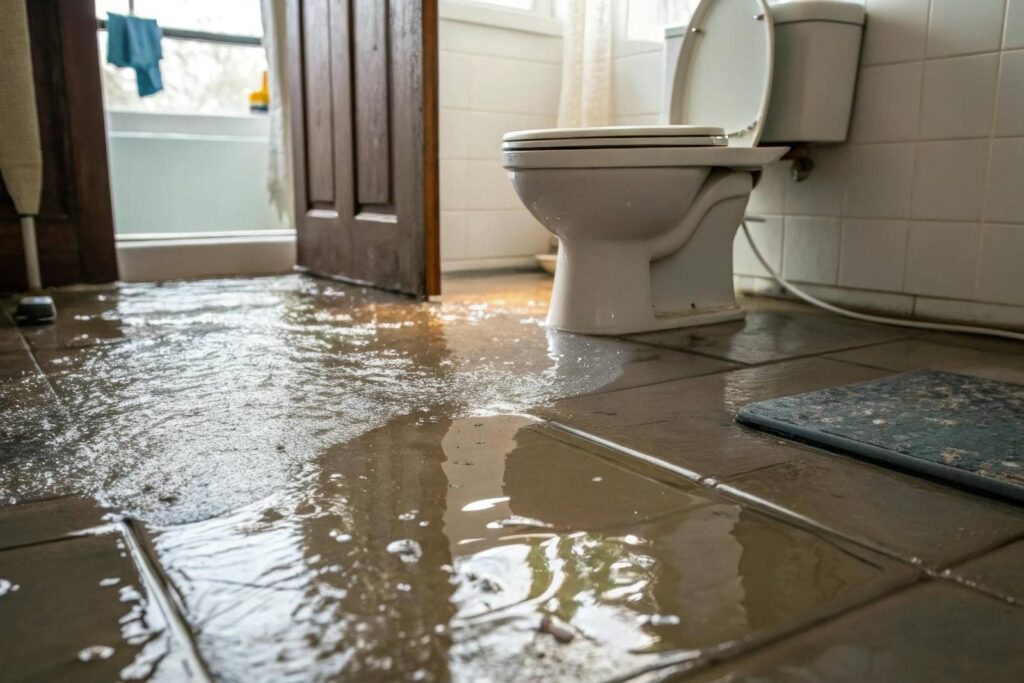
If sewage backs up in your home, you need Sewage Cleanup as quickly as possible to reduce health risks and prevent further damage. Keep everyone out, shut off nearby water and power if it’s safe, and wear gloves, boots, and a mask before you get close. You should also protect valuables, document the damage, and block off the affected area. These first steps can limit harm, but the next decisions matter even more.
Key Takeaways
- Keep everyone away from the sewage area and warn them about health risks.
- Turn off electricity and nearby water sources if it is safe to do so.
- Wear gloves, boots, eye protection, and a mask before handling anything.
- Move valuables, food, and medicines out of the area and document damage with photos.
- Contain the spill by closing doors, blocking hallways, and limiting airflow from HVAC vents.
Take the First Steps After a Sewage Backup
When a sewage backup occurs, you should act quickly to reduce exposure and limit damage.
First, keep everyone out of the affected area and warn your household that contaminated water can carry serious health risks.
Turn off electricity to wet rooms if you can do so safely.
Wear gloves, boots, and a mask before you inspect anything, and wash your hands after contact.
Document the damage with photos for your records, then contact your insurer and a licensed cleanup team.
Move valuables, food, and medicines away from the area if you can reach them without touching wastewater.
These sewage cleanup safety steps help you stay protected, preserve your property, and join the group of homeowners who respond with control and confidence.
Stop the Spill From Spreading
After you’ve secured the area and alerted your household, focus on containing the sewage so it doesn’t spread farther through the home.
Close nearby doors, block hallways with towels, and keep foot traffic away from the affected room. If water is moving, use sturdy barriers like rolled towels or sandbags to slow it at thresholds.
Move lightweight rugs, boxes, and other dry items from the path so they don’t wick contamination into clean spaces. Shut off nearby HVAC vents if you can do so without entering the wet area, since airflow can carry odors and moisture.
Place buckets or shallow pans under active drips to catch runoff. Keep pets and children out of the zone, and mark the boundary clearly so everyone in your household can support the containment effort.
Protect Yourself Before Cleanup
Before you begin cleanup, put on protective gear such as gloves, boots, and a mask to reduce direct contact with sewage.
You should stay out of contaminated areas unless you’re properly protected and ready to work safely.
These steps help limit exposure and prepare you for the cleanup process.
Wear Protective Gear
Protective gear is your first barrier against sewage contamination, so suit up fully before you touch any affected area. You should wear waterproof gloves, rubber boots, long sleeves, long pants, and eye protection to reduce direct contact with waste and splash exposure.
If you have a respirator rated for biohazards, use it to limit inhalation of airborne particles. Check each item for tears, cracks, or gaps before you begin, and replace anything damaged.
Dress so your skin stays covered, and secure cuffs, collars, and boot tops for a tighter seal. When you’re properly equipped, you help protect your household, support a safer cleanup process, and show you’re part of a prepared, responsible team.
Avoid Contaminated Areas
Keep clear of any area that sewage has touched until you’ve confirmed it’s safe to enter. You protect yourself and everyone in the home by treating floors, walls, and belongings in the affected zone as contaminated.
Close doors, block off hallways, and keep children, pets, and guests away. Don’t step through standing water or move soaked items unless you’re wearing proper protection and have clear instructions.
If you must pass nearby, stay on dry surfaces and avoid touching surfaces with bare hands. Turn off fans that could spread droplets, and don’t use household vacuums or brooms.
Mark the area so your household understands the boundary. By respecting the hazard now, you help your team stay safe and support a faster, cleaner professional response.
Turn Off Nearby Water and Power
Turn off nearby water sources and shut off power to the affected area as soon as you can safely do so. This step helps stop more sewage from entering the space and reduces the risk of electrical shock.
Close the main water valve if the source is local, and check for any fixtures that could keep flowing into the damaged area. If water reaches outlets, cords, or appliances, don’t touch them.
Switch off the breaker from a dry location, or call a qualified electrician if you’re unsure. You’re protecting your home and supporting a faster, safer cleanup when you act quickly and decisively.
Keep this area isolated until professionals assess it.
Keep Kids and Pets Out of the Area
Once you’ve secured the area, make sure children and pets stay out of it completely. You’re protecting them from contaminated water, sharp debris, and airborne germs that can spread beyond the visible mess.
Close doors, block hallways, and use a temporary barrier if needed so no one wanders in. If you live with others, tell them clearly that the space is off-limits until professionals finish the cleanup.
Keep pet bowls, toys, and bedding away from the affected area to reduce curiosity and contact. Stay consistent and firm, because quick reminders help everyone follow the same safety rules.
Decide What to Save and What to Toss
You should save only items that are nonporous, structurally intact, and able to be fully disinfected.
You must discard porous materials such as carpet, drywall, insulation, and upholstered items that have absorbed sewage.
Before you toss anything, document each damaged item with photos and notes for insurance and cleanup records.
Salvageable Item Criteria
When sewage has contaminated your space, sort items quickly and conservatively: discard anything porous that absorbed waste water, such as carpet, insulation, upholstered furniture, and paper goods, because these materials can retain contaminants even after drying.
Keep only nonporous items that you can clean and disinfect fully, including metal, glass, sealed plastic, and hard surfaces without cracks. Remove debris, rinse visible soil away, and set salvageable items aside in a clean area away from traffic.
If an item holds seams, cracks, or layered components that trap residue, treat it as unsafe.
Wear gloves, boots, and eye protection while handling possessions, and wash your hands often. You’re protecting your household and helping the cleanup team work efficiently.
Porous Material Disposal
Porous materials that have soaked up sewage should usually be thrown out, not cleaned and reused. You protect your home and your household by removing items that hold contamination deep inside fibers, foam, or wood.
Act quickly, and keep these items separate from salvageable belongings so you don’t spread waste into cleaner areas.
- Carpets, rugs, and padding
- Upholstered furniture and cushions
- Mattresses, pillows, and stuffed toys
- Drywall, insulation, and particleboard
If an item stayed in contact with sewage, treat it as unsafe unless a trained professional says otherwise.
Wear gloves and sturdy shoes while handling it, and move it out with care. By making firm choices now, you help your team restore a safer space faster.
Document Before Discarding
Before you throw anything away, document the affected area and every item with clear photos and notes so you can decide what’s worth saving and what must go. Capture wide shots, close-ups, and identifying details such as labels, serial numbers, and damage lines.
Record the room name, date, odor, moisture, and visible contamination. Then sort by material, use, and exposure time. You can usually keep nonporous items that saw only limited contact after proper cleaning, but discard porous materials that absorbed sewage.
Keep a simple inventory for insurance and cleanup crews. Place salvageable items in a clean, separate space and mark them clearly.
Document Sewage Damage for Insurance
As soon as it’s safe to enter the area, document the sewage damage for your insurance claim by taking clear photos and videos of all affected rooms, materials, and belongings.
Capture wide shots first, then close-ups that show stains, warping, residue, and water lines. Keep your phone’s date and time visible if possible.
Record each damaged item in a simple list so you can match images to descriptions later.
- Photograph every wall, floor, and fixture
- Note serial numbers and purchase details
- Save receipts, warranties, and prior records
- Back up files in cloud storage
Stay organized and consistent, because thorough records strengthen your claim and help you join the cleanup process with confidence.
Prepare for Sewage Cleanup Pros
Next, prepare the space for sewage cleanup pros by limiting access, stopping any further water flow if you can do so safely, and removing pets and family members from the area.
Close doors, place barriers, and keep the route clear so the team can work without delay. Move portable valuables, rugs, and lightweight items from unaffected areas to reduce spread and protect what you can still save.
Keep children and neighbors away from the affected zone, and use a calm, controlled approach so everyone stays informed and safe. If you’ve already documented the damage, keep that information accessible for the crew.
Leave contaminated materials in place unless you can handle them without contact. Your goal is to create a secure, organized space that helps the professionals begin quickly and efficiently.
When to Call a Sewage Cleanup Professional
Call a sewage cleanup professional as soon as the damage involves contaminated water, a strong sewage odor, or any spill that reaches flooring, walls, insulation, or HVAC systems.
You shouldn’t wait if the source is unknown, the affected area is large, or wastewater has backed up through multiple fixtures. A trained team can protect your household, contain contamination, and restore safe conditions with proper equipment.
- Water near electrical systems
- Sewage that lingers beyond hours
- Visible mold, staining, or saturation
- Symptoms such as nausea or headaches
If you belong to a shared building, notify management immediately and document the damage.
When health risks, porous materials, or repeated backups appear, professional help isn’t optional; it’s the safest, most responsible choice.
Frequently Asked Questions
How Long Does Sewage Contamination Remain Dangerous?
Sewage contamination stays dangerous until you remove all affected materials, disinfect thoroughly, and dry the area; bacteria, viruses, and parasites can linger for days or longer, so you shouldn’t enter or clean without protection.
Can I Use Fans to Dry the Area?
No, you shouldn’t use fans yet; they can spread contaminated droplets and aerosols. You’ll protect yourself better by isolating the area, keeping pets out, and waiting for professionals to remove sewage safely.
What Cleaning Supplies Kill Sewage Bacteria?
Bleach-based disinfectants kill sewage bacteria; use EPA-registered products, hydrogen peroxide cleaners, or quaternary ammonium solutions. You should clean first, then disinfect. Wear gloves, and don’t mix chemicals—your safety’s the anchor here.
Is It Safe to Wash Contaminated Clothing at Home?
No, you shouldn’t wash contaminated clothing at home. You’d risk spreading sewage bacteria through your washer and home. Bag the items, avoid shaking them, and let professionals handle them or follow local hazardous-waste guidance.
Should I Move Furniture Before Professionals Arrive?
Yes, you should move furniture only if you can do it safely and avoid contaminated water. Keep belongings dry, wear protective gear, and let professionals handle heavily affected pieces for proper cleanup.
Summary
Before the pros arrive, you should treat a sewage backup like the unwelcome guest it is: contain it, cut the power, shut off water, and keep children and pets away. Wear proper protection, document the mess, and move valuables to safety. Do not heroically “inspect” contaminated water with enthusiasm. Your goal is simple: reduce risk, preserve evidence, and leave the cleanup to specialists. Calm, careful action now can save time, money, and health later.