
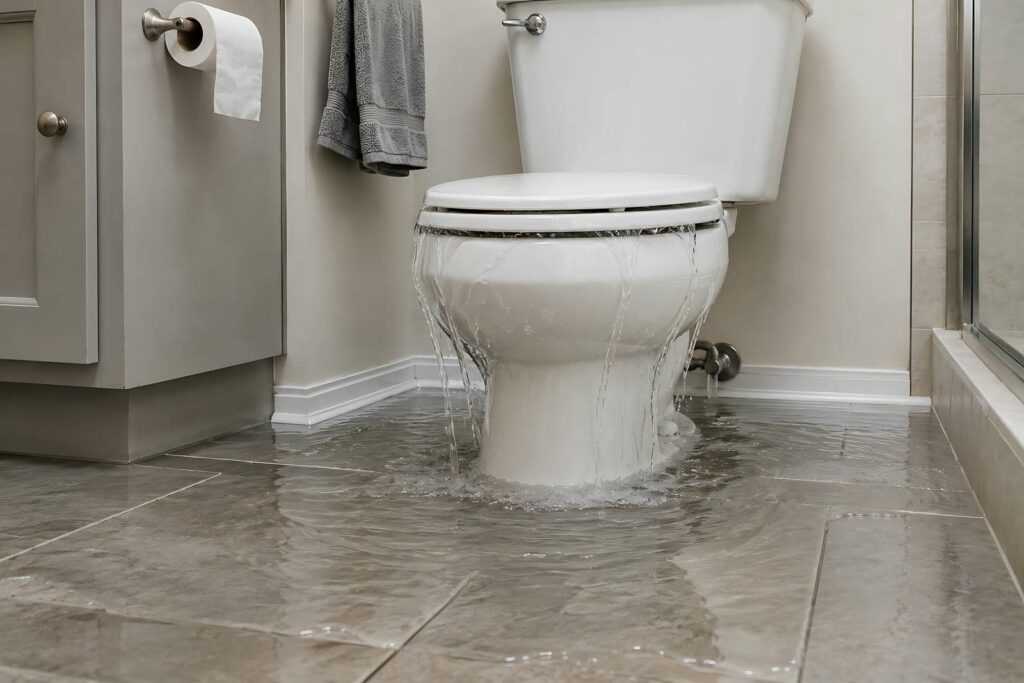
When you face sewage damage, you need a cleanup process that does more than remove visible waste. Professionals first isolate the area, then extract contaminated water, clean affected surfaces, remove unsalvageable materials, and dry the space with controlled equipment. They finish by disinfecting with EPA-registered products and checking for hidden hazards. What happens next determines whether the area is truly safe to reenter.
Key Takeaways
- Professionals secure the area, stop contamination spread, and remove standing sewage and saturated porous materials.
- They contain the work zone with barriers, negative air pressure, and HEPA filtration to limit airborne spread.
- Crews extract sewage, dispose of hazardous waste safely, and clean all remaining surfaces with appropriate detergents.
- After cleaning, they dry the structure, apply EPA-registered disinfectants, and verify no moisture, residue, or odor remains.
- Call a pro for backups, black water, HVAC or insulation contamination, or strong sewage odors indoors.
What Happens During Sewage Cleanup?
During sewage cleanup, technicians first secure the area and stop contamination from spreading. Then, they remove standing wastewater and any heavily damaged materials.
You’ll see a professional sewage removal process that targets porous contents, saturated drywall, and contaminated insulation because they can hold pathogens and odor. Technicians document affected surfaces, test moisture levels, and separate salvageable items from waste.
They wear protective gear, use vacuum extraction, and collect debris in sealed containers for safe disposal. You stay informed at each step, so you know what’s being removed and why.
After extraction, the team prepares surfaces for washing, disinfection, and drying. This controlled sequence helps reduce health risks, limits further damage, and gives you a clear path back to a safe, usable space.
How Do Pros Contain the Contamination?
Pros contain contamination by isolating the affected area with physical barriers, negative air pressure, and controlled access so sewage can’t spread to clean rooms.
You’ll see them seal doorways, vents, and seams with plastic sheeting and tape, then set dedicated entry and exit paths for trained crews.
They place warning signs and restrict foot traffic so you stay out of hazard zones and your home stays protected.
Technicians wear PPE before crossing the barrier, and they use HEPA-filtered air scrubbers to help capture airborne particles.
They also stage clean tools outside the work zone and disinfect outer surfaces before removal.
This containment system keeps contamination localized, supports safe teamwork, and lets your restoration team work efficiently without exposing neighboring spaces or occupants.
Sewage Extraction and Waste Disposal
You remove contaminated water with specialized extraction equipment to limit spread and reduce exposure.
You then collect all affected debris and liquids for hazardous waste disposal in approved sealed containers.
You’ll need strict handling and transport controls to keep the site safe and compliant.
Contaminated Water Extraction
Before extraction begins, technicians isolate the affected area and remove contaminated sewage water with specialized pumps, vacuums, and sealed containment methods to prevent cross-contamination.
You’ll see crews monitor water depth, surface conditions, and hidden pockets so they can reach every affected zone without spreading pathogens. They use PPE, negative-pressure controls, and barrier protection to keep you and your space safer during service.
As water is withdrawn, technicians inspect floors, subfloors, and wall bases for residual moisture and trapped debris. They also document source points, structural risks, and saturation levels to guide the next cleanup steps.
This process helps your property move from active contamination toward controlled recovery, so you’re not left guessing about what remains. You’re part of a team-focused response built on precision, containment, and safety.
Hazardous Waste Disposal
Once extraction is complete, technicians secure sewage waste in labeled, leak-resistant containers for safe transport and disposal. You’ll see every container logged, sealed, and moved under regulated chain-of-custody controls so your site stays compliant and protected.
Your team should rely on certified handlers who separate hazardous solids, contaminated PPE, and absorbents before disposal.
- You get verified waste manifests.
- You avoid cross-contamination during loading.
- You use approved disposal facilities only.
- You maintain OSHA and EPA compliance.
- You reduce exposure for everyone on-site.
This process keeps your property, crew, and neighbors safer while ensuring no residue reenters the environment. When you work with trained professionals, you’re part of a system that prioritizes health, accountability, and recovery.
How Pros Clean Sewage-Damaged Surfaces
Pros clean sewage-damaged surfaces by first isolating the affected area and removing any loose, saturated debris. Then they wash the remaining material with an appropriate detergent to break down residue and biofilm.
You’ll see trained techs scrub seams, corners, and textured areas with dedicated tools so contaminants don’t spread to clean zones. They choose cleaners that suit the surface, whether it’s tile, sealed wood, metal, or masonry, and they follow contact-time instructions exactly.
After washing, they rinse thoroughly to lift loosened waste and prevent chemical buildup. If porous materials can’t be safely restored, they remove them instead of forcing an unsafe cleanup.
Throughout the process, you’re protected by containment, PPE, and controlled workflow, so your space stays managed and your team stays safe.
Drying Out Floors, Walls, and Contents
After sewage extraction and cleaning, technicians start structural drying right away to limit microbial growth and prevent secondary damage.
You’ll see them place air movers to drive moisture from flooring, wall cavities, and furnishings, while dehumidifiers pull vapor from the air. They measure humidity and material moisture daily, adjusting equipment until readings return to safe drying targets.
- Open concealed spaces when needed
- Remove saturated padding or insulation
- Elevate salvageable contents for airflow
- Protect electrical components from moisture exposure
- Track progress with moisture meters
You stay involved by keeping access clear and reporting any damp spots or odors.
Prompt, controlled drying helps your property recover faster and gives your team the best chance to restore safe conditions.
Disinfecting the Area After Sewage Damage
With surfaces dried and loose debris removed, technicians apply EPA-registered disinfectants to all contaminated areas to kill remaining pathogens and reduce the risk of infection.
You’ll see them treat floors, baseboards, wall cavities, and salvageable contents with the correct dwell time so the solution can work effectively.
They wear gloves, respirators, and protective suits, then clean tools between zones to prevent cross-contamination.
If porous materials still hold sewage residue, they may require removal rather than treatment.
You can stay confident knowing each surface gets a targeted application, because thorough disinfection protects your home and everyone in it.
The team also ventilates the space and maintains containment barriers while working, so contaminants don’t spread into clean areas or re-enter your living space.
Signs the Sewage Cleanup Is Complete
You can confirm sewage cleanup is complete when you no longer see visible contamination on any affected surface.
The area should be fully dry, with no damp materials, pooling liquid, or lingering odor.
You should also verify that all cleaned surfaces are sanitary and safe for reentry.
No Visible Contamination
When the sewage cleanup is complete, no visible contamination should remain on surfaces, fixtures, or contents. You should inspect every affected area with proper lighting and confirm that soil, residue, staining, and debris are gone.
Your team should feel confident that shared spaces meet professional standards before reentry.
- No fecal matter remains on floors or walls
- Fixtures show no splash marks or visible film
- Furniture and contents appear fully cleared of residue
- Baseboards, seams, and corners look clean to inspection
- Disposal areas contain no tracked material or debris
If you still see discoloration, smears, or buildup, the cleanup isn’t finished. Document what you find and request additional remediation.
Clear visual confirmation helps protect everyone in your home or facility and supports a safe, united recovery effort.
Dry, Sanitary Surfaces
Dry, sanitary surfaces are a clear sign the sewage cleanup is complete, because moisture, residue, and odor can all support ongoing contamination if they’re left behind.
You should confirm that every treated surface feels fully dry, looks clean, and shows no tacky film or discoloration.
Professional crews use moisture meters, air movement, and dehumidification to verify that hidden dampness is gone, not just the visible mess.
You’ll also notice that fixtures, floors, and baseboards no longer carry sewage odor, which suggests sanitation has been restored.
When your space passes these checks, you can reenter with greater confidence, knowing the environment meets accepted cleanup standards.
That’s the point where you and your team can resume normal use safely, together.
When Should You Call a Sewage Cleanup Pro Immediately?
Call a sewage cleanup pro immediately if you detect any sewage backup, overflow, or contaminated water inside your home, because exposure can spread pathogens quickly and worsen structural damage.
You shouldn’t wait if the source is unknown or the water has reached flooring, insulation, or HVAC components. Acting fast protects your household and helps you stay part of a safer, healthier home.
- Toilet, drain, or basement backup
- Strong sewage odor indoors
- Black water near walls or vents
- Contact with skin, cuts, or eyes
- Recurring overflow after plunging or snaking
If you notice any of these, isolate the area, keep kids and pets out, and call a licensed team.
They’ll contain contaminants, remove waste, disinfect surfaces, and verify drying, so you’re not managing hidden hazards alone.
Frequently Asked Questions
How Long Does Professional Sewage Cleanup Usually Take?
You’re usually looking at 1–3 days for typical sewage cleanup, though severe contamination can take longer. You’ll get faster results if you isolate the area, remove water quickly, and let technicians dry and sanitize thoroughly.
Will My Insurance Cover Sewage Removal Costs?
You might be covered: about 1 in 50 homeowners files a water-damage claim yearly. You should review your policy, because sewage backups often need an endorsement; your adjuster’ll confirm limits, exclusions, and cleanup requirements.
Can I Stay in My Home During Sewage Cleanup?
Usually, you shouldn’t stay. You’re safest elsewhere because technicians isolate contamination, remove waste, and sanitize. If you must remain, you’ll need strict containment, ventilation, and limited access to unaffected areas only, with PPE.
What Items Usually Need to Be Discarded After Sewage Damage?
You’ll usually discard porous items like carpets, drywall, insulation, mattresses, and upholstered furniture; porous materials absorb sewage. Many soft goods exposed to contaminated water cannot be cleaned or sanitized well enough for safe use, making replacement the safest option.
How Can I Prevent Future Sewage Backups?
You can prevent future sewage backups by scheduling annual inspections, cleaning main lines, installing a backwater valve, avoiding grease and wipes, and keeping tree roots away. You’ll protect your home and feel more confident.
Review
When sewage damage happens, you need to act fast and stay cautious. Pros contain the area, remove contaminated water, clean and disinfect affected surfaces, then dry everything thoroughly. They also dispose of waste safely and verify the space is sanitary before reentry. If you spot sewage backups, strong odors, or soaked porous materials, call a sewage cleanup pro immediately. Delaying can turn a bad problem into an absolute nightmare and raise health risks fast.