
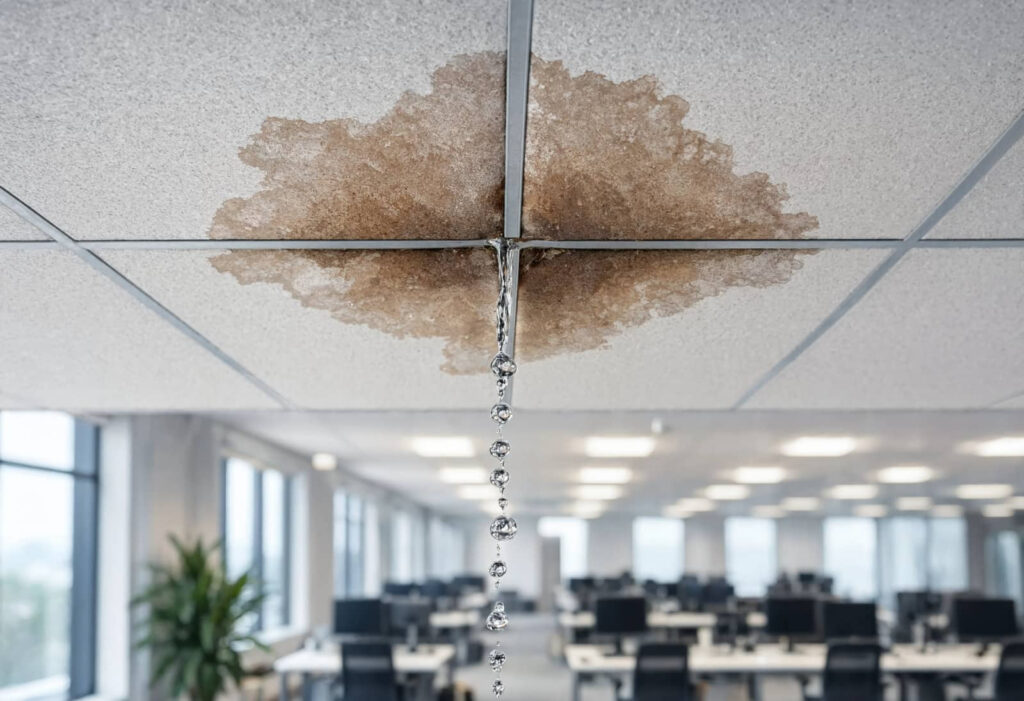
When your building takes storm damage, commercial storm damage repair needs to start with a fast assessment of the roof, walls, systems, and interior before small issues spread. You’ll want to stop water intrusion, document every affected area, and begin mitigation right away. From flood cleanup to electrical, HVAC, and structural repairs, each step affects safety, downtime, and insurance outcomes. The next decisions you make will shape how quickly your operations can get back online.
Key Takeaways
- Assess and document storm damage immediately with photos, timestamps, moisture logs, and hazard notes for insurance claims.
- Contain roof leaks and water intrusion quickly using tarps, temporary patches, pumps, and dehumidifiers.
- Remove standing water, saturated materials, and contaminated debris to prevent mold and further structural damage.
- Repair roofs, siding, electrical, and HVAC systems, then clean and sanitize affected areas before reopening.
- Hire a licensed, insured commercial storm repair contractor with proven experience in documentation, mitigation, and restoration.
Assess Commercial Storm Damage First
Before you start any commercial storm damage repair, assess the full extent of the damage so you can prioritize urgent hazards and document everything for your insurer.
Walk the site methodically and note structural cracks, displaced materials, exposed systems, and debris that could threaten staff or vendors. Use photos, timestamps, and written logs to capture each area before anyone disturbs it.
Check access points, utility connections, and equipment rooms for obvious impact, then mark unsafe zones and limit entry.
If your team works together, share findings fast so everyone stays aligned and avoids repeat inspections.
A clear assessment helps you plan commercial storm damage repair efficiently, control costs, and keep your facility moving toward recovery with confidence and precision.
Stop Roof Leaks and Water Intrusion
You need to contain roof leaks fast by covering exposed areas, sealing active entry points, and directing runoff away from the building.
Inside, move equipment and stock out of the wet zone, extract standing water, and dry affected materials to limit further intrusion.
Every hour counts, so you should stabilize the roof and control interior moisture before damage spreads.
Rapid Leak Containment
When storm damage opens a roof leak, contain it fast to limit water intrusion and protect the building interior. You should isolate the area, mark hazards, and deploy temporary coverings before the opening grows.
Use reinforced tarps, roof cement, sealants, or compatible patches that match your roof system. Secure edges tightly, and weigh or fasten materials so wind can’t lift them.
If water is entering through flashing, seams, or penetrations, focus your repair there first. Keep access controlled so your crew can work safely and your team can keep operations steady.
Document the leak location, extent, and temporary measures for the claim file. Fast containment helps you protect your facility, reduce downtime, and keep your building team aligned until permanent repairs begin.
Interior Water Mitigation
Once the roof opening is contained, move inside to limit water intrusion and protect affected areas. You should shut off power to wet zones, then map moisture with a meter so you can target drying fast.
Pull back furniture, inventory, and equipment from saturated areas, and place clean blocking under stored items. Remove standing water with pumps or wet vacs, then extract carpet and pad before mold can spread.
- Set air movers to create crossflow across wet surfaces.
- Run dehumidifiers to pull moisture from framing, drywall, and finishes.
- Open safe access points for controlled ventilation and daily checks.
You’ll reduce secondary damage, keep your facility safer, and help your team return to normal operations faster.
Document Damage for Insurance Claims
Start with a thorough damage record before any cleanup or temporary repairs begin, because insurers rely on clear evidence to evaluate roof leaks, flooding, wind damage, water intrusion, and related business property loss.
Photograph every affected area from wide and close angles, and include date stamps if your camera allows it. Video the site to show damage patterns, displaced materials, and interior conditions.
List each impacted asset, noting room, serial number, estimated age, and visible condition. Save weather reports, repair invoices, and maintenance logs to support your claim.
Mark unsafe areas, preserve broken components, and keep your team’s access controlled. Share files in one organized folder so your adjuster can review them quickly.
When you document carefully, you protect your business and stay ready to work with your claim team.
Handle Commercial Flood Cleanup
You should start flood cleanup by extracting standing water with pumps, wet vacs, or truck-mounted equipment as soon as it’s safe.
Next, remove saturated materials and dry the area to stop further damage.
Then sanitize all affected surfaces and contents to reduce contamination and restore a safe working environment.
Floodwater Extraction
Floodwater can halt operations fast, so extract standing water immediately to limit structural damage, mold growth, and contamination. You should mobilize pumps, wet vacs, and truck-mounted extractors based on depth and square footage. Keep traffic controlled so your team works safely and your facility stays organized.
- Map water depth and identify trapped pockets under equipment, pallets, and low spots.
- Use high-capacity extraction first, then detail vacuuming along edges, seams, and penetrations.
- Monitor power, lift panels only when needed, and document moisture levels as you work.
You’ll move faster when your crew follows one plan and communicates clearly. That shared discipline helps you protect assets, shorten downtime, and get your operation back on track with confidence.
Sanitizing Damaged Areas
Once standing water is removed, sanitize affected surfaces and contents right away to reduce bacterial growth, odor, and cross-contamination. You should wear gloves, eye protection, and an N95 or better when you handle porous materials, ductwork, and debris.
Clean hard surfaces with detergent first, then apply an EPA-registered disinfectant at the label’s contact time. Don’t skip cracks, baseboards, drains, and equipment housings, where contaminants linger. Remove and discard carpet pad, insulation, drywall, and ceiling tile that can’t be fully cleaned.
Bag waste tightly and keep it isolated from usable inventory. After disinfection, run dehumidifiers and air movers to restore dry conditions. Document every step, label salvageable items, and coordinate with your team so everyone works from the same cleanup plan.
Repair Wind Damage to Roofs and Exteriors
Strong winds can tear off shingles, loosen flashing, dent siding, and damage roof edges, leaving your building exposed to leaks and further structural problems.
You should inspect the roof, walls, and trim right away, then mark every compromised area for repair. Fast action helps you protect your property and stay aligned with your crew’s recovery plan.
- Replace missing shingles, membrane sections, and ridge caps.
- Refasten or reseal flashing, fascia, soffits, and coping.
- Repair dents, punctures, and loosened panels on siding and cladding.
You’ll also want to clear debris, check fasteners, and document each defect before work starts.
Use matching materials and approved sealants so the exterior stays weather-tight and consistent.
When you handle wind damage methodically, you help your facility recover with confidence.
Restore Damaged Electrical and HVAC Systems
After you’ve secured the roof and exterior, inspect the electrical and HVAC systems for water intrusion, impact damage, and disrupted controls.
Shut off affected circuits, lock out equipment, and document every fault before you energize anything. Have licensed technicians test panels, breakers, disconnects, motors, sensors, and thermostats for corrosion, insulation failure, and shorted components.
Replace compromised wiring, contactors, belts, filters, and damaged control boards, then verify grounding and calibration.
For HVAC units, clear debris from condensers and coils, check refrigerant lines for punctures, and confirm fans and dampers move freely.
Restore power in stages and monitor load, temperature, and airflow.
You’re not alone in this process; a careful, methodical reset protects your team, your tenants, and your operation.
Clean and Sanitize Business Property
Before you reopen affected areas, remove debris, wet materials, and contaminated contents, then clean every exposed surface with the right detergent and sanitize where floodwater, mold, sewage, or storm residue may have reached.
You’ll protect your team and restore a safer work environment when you follow a tight process.
- Sort salvageable items from porous materials that stayed wet too long; discard what can’t be fully cleaned.
- Wash hard surfaces with clean water and detergent, then apply an approved sanitizer at the required contact time.
- Dry spaces fast with ventilation and dehumidification, and keep checking for odors, staining, or residue.
You and your crew can work confidently when every touchpoint, floor, wall, and fixture is clean, dry, and ready for normal operations.
Choose a Commercial Storm Repair Contractor
Once your property is cleaned and safe to enter, choose a commercial storm repair contractor who can inspect the full damage, document findings, and coordinate repairs that match the severity of the loss.
You want a team that handles roof leaks, flooding, wind damage, and water intrusion with clear scope control. Ask for licensing, insurance, and storm-specific experience on commercial buildings.
Review their process for moisture mapping, structural assessment, and photo documentation. A strong contractor should also coordinate with your insurer, explain timelines, and keep your operations informed.
Check references from businesses like yours so you know they work well under pressure. When you hire the right partner, you’re not just repairing damage—you’re joining a crew that protects your facility, your staff, and your recovery.
Frequently Asked Questions
How Quickly Should a Facility Reopen After Storm Damage?
You should reopen only after you’ve confirmed structural safety, restored power and utilities, cleared water and debris, and passed inspections. If damage is minor, you may reopen within hours; major damage can take days or weeks.
What Permits Are Needed for Major Storm Repairs?
You’ll usually need building, electrical, plumbing, mechanical, and zoning permits, plus demolition or roofing approvals if needed. You should also check historic, floodplain, and fire-code requirements, then coordinate inspections before you start repairs.
Can Tenants Stay During Commercial Storm Restoration?
Sometimes, yes—you can stay if hazards are controlled and utilities work. Many businesses close after major disasters, so you’ll want clear zones, air testing, and safe access before you remain onsite.
How Do You Protect Inventory During Repair Work?
You’ll protect inventory by moving it to dry, secure zones, covering it with plastic sheeting, sealing containers, controlling dust, and documenting items. You should limit access, monitor humidity, and coordinate phased repairs to avoid contamination.
What Temporary Power Options Are Available After Storms?
You can use portable generators, battery backup systems, and temporary utility hookups. You’ll power critical loads, keep crews working, and protect sensitive equipment while you wait for permanent service restoration after storms.
Final Thoughts
When the storm passes, you become the caretaker of a damaged machine: your building. You inspect first, then seal leaks, document losses, clear water, restore power, and sanitize every surface. Each step keeps hidden damage from spreading. Choose a contractor who treats repairs like precision work, not guesswork. If you act fast and stay methodical, you’ll do more than fix walls and wiring—you’ll guide your facility back to steady function, safety, and trust.