
When floodwater reaches your floor, it can feel like a clock ticking in ankle-deep silence. Storm Flooding Restoration Steps begin with shutting off power, removing standing water fast, and starting drying with fans and dehumidifiers before moisture spreads into walls and subfloors. Then you can clean salvageable items, document damage, and assess structural repairs. The last step is the one that often determines whether your property truly recovers.
Key Takeaways
- Shut off electricity, remove standing water quickly, and document damage with photos before cleanup begins.
- Dry the home fast using fans, dehumidifiers, and ventilation to reduce mold and moisture damage.
- Wear protective gear, clean hard surfaces, and discard porous items that cannot be safely salvaged.
- Inspect for structural damage, repair weakened materials, and involve professionals for major issues.
- Prevent future flooding by improving drainage, sealing entry points, and maintaining sump pumps and gutters.
Remove Standing Water Fast
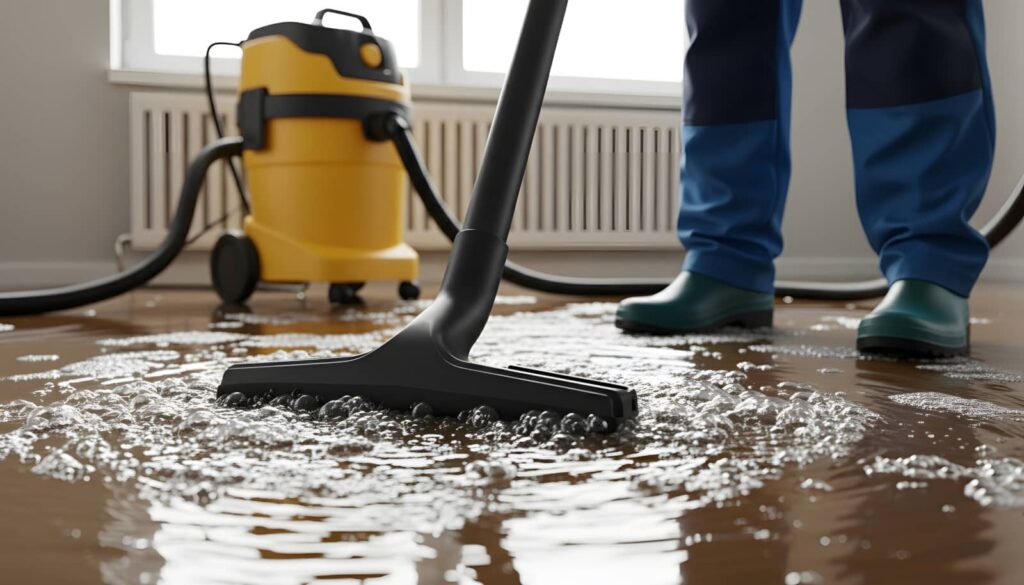
Start by removing standing water as quickly as possible to limit further damage and reduce the risk of mold growth.
You should shut off electricity to affected areas before you enter, then use pumps, wet vacuums, or buckets to extract water in a controlled way.
These storm flooding restoration steps help you regain safety and protect structural materials from saturation.
Move from the least contaminated zones to the most affected ones, and separate salvageable items from debris as you work.
Document visible damage with photos for your records and for insurance support.
If water has entered wall cavities or beneath flooring, call trained professionals so you’re not handling hidden hazards alone.
Acting fast gives your home team the best chance to recover cleanly.
Dry Out Your Home Quickly
Once the standing water is removed, you need to dry the home as fast as possible to stop moisture from spreading into framing, drywall, insulation, and flooring.
Open windows if outdoor conditions are dry, then run high-capacity fans to move air across wet surfaces. Pair them with dehumidifiers so humidity drops below 50%, which helps stop mold growth and hidden deterioration.
Keep HVAC off if ducts were exposed to floodwater. You’re not alone in this step; steady, methodical drying protects your space and speeds recovery.
- Place fans to create crossflow in each room.
- Empty dehumidifier tanks or route drains continuously.
- Check wall cavities, baseboards, and subfloors daily.
Clean Flood Damage and Salvage Items
With the home drying, you can begin cleaning flood-damaged surfaces and sorting salvageable items before contamination sets in.
Wear gloves, boots, and a respirator, then wash hard surfaces with detergent and clean water. Rinse, disinfect, and let each area dry fully. Keep ventilation steady so moisture doesn’t linger.
Separate porous items, such as mattresses, insulation, and upholstered goods, because they often hold contaminants and may need disposal. Save solid items that cleaned up well, including sealed metal, glass, and some plastic goods.
Photograph items, label boxes, and group keepsakes by room to stay organized with your team. Bag debris promptly and move it out of living spaces.
When you work methodically, you protect health, preserve what matters, and move recovery forward with confidence.
Assess Structural Damage and Make Repairs
After the home is dry and cleaned, inspect the structure carefully for signs of shifting, cracking, rot, or corrosion. You’ll want to document every issue with photos and notes so you can track repairs and speak clearly with your contractor.
Check joists, subflooring, wall framing, and load-bearing members for movement or weakness. If you notice sagging, warped materials, or loose connections, address them promptly. Small failures can spread and compromise your home’s stability.
- Replace compromised wood before it spreads decay.
- Tighten or renew rusted fasteners and metal supports.
- Seal repaired surfaces only after materials reach proper dryness.
Work with qualified professionals for major structural repairs. When you act methodically, you protect your home and stay connected to a recovery plan that supports your household.
Prevent Future Flooding
Now that repairs are underway, you can reduce the chance of repeat flooding by addressing the pathways that let water in.
Start outside: clean gutters, extend downspouts, regrade soil away from the foundation, and seal cracks in walls, joints, and utility penetrations.
If water pressure stays high, install a sump pump with battery backup and test it monthly. Add flood vents or backflow valves where your site allows, and elevate appliances, outlets, and stored items above known flood levels.
Inside, use water-resistant materials in vulnerable rooms.
Keep a maintenance log, inspect after heavy rain, and update your emergency plan with your household.
These steps help you protect the home you’ve rebuilt and keep your recovery team steady, informed, and ready for the next storm.
Frequently Asked Questions
How Do I Document Flood Damage for Insurance Claims?
You’ll document flood damage by photographing every affected area, listing damaged items with values, saving receipts, and recording dates. Contact your insurer quickly, keep samples if needed, and note cleanup actions to support your claim.
When Should I Call a Professional Restoration Company?
Call them now if you smell mold, see standing water, or notice soaked walls; like a tide pulling back, hidden damage can linger. You’ll protect your home faster, safer, and with experts beside you.
Is Floodwater Safe to Touch or Clean Myself?
No, you shouldn’t touch floodwater yourself; it can carry sewage, chemicals, and bacteria. Wear protective gear, isolate the area, and call professionals if contamination, electrical hazards, or deep standing water make cleanup unsafe.
Can I Stay in My Home During Restoration?
You can stay only if your home’s safe and dry enough; for example, if one room’s being dehumidified, you might remain elsewhere. You’ll need professional clearance, intact utilities, and no mold, sewage, or structural hazards.
What Emergency Supplies Should I Keep Ready?
Keep water, flashlights, batteries, a first-aid kit, medications, phone chargers, blankets, nonperishable food, cash, important documents, and sanitation supplies ready. You’ll handle outages faster, stay safer, and support your household confidently.
Review
When storm flooding hits, the first thing you want is a dry, safe home, yet the fastest path there starts with controlled urgency. You remove standing water, dry the structure, clean and salvage what you can, then repair hidden damage before it spreads. Ironically, water moves quickly, but recovery works best when you slow down and follow each step. If you stay methodical, you’ll restore your property and reduce the odds of another costly flood.