
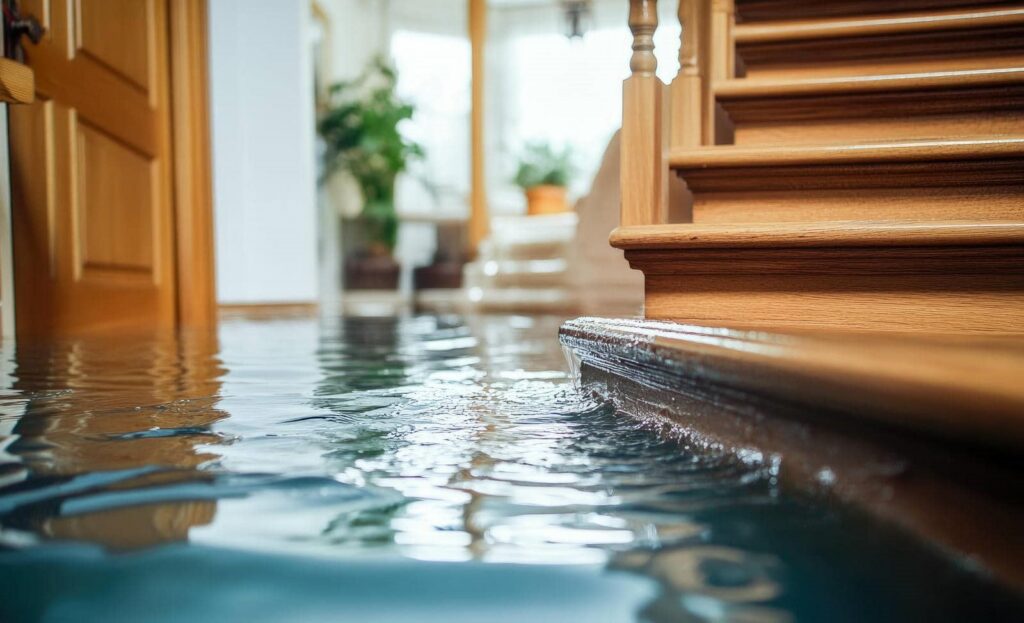
Hidden water damage can creep through a home like a quiet leak in a ship’s hull. You might notice water stains, musty odors, peeling paint, soft flooring, or warped surfaces before you see the source. Moisture often hides behind walls, under cabinets, and in basements, where it can weaken structure and invite mold. Knowing what to check next could save you from a larger repair bill.
Key Takeaways
- Musty odors, damp air, or unusually cool walls often signal hidden moisture behind surfaces.
- Yellow, brown, or gray water stains on ceilings and walls suggest an active or past leak.
- Soft, sagging, warped, or buckling floors can indicate water damage beneath the surface.
- Peeling, bubbling paint or wallpaper often means trapped moisture is affecting the wall.
- Prompt inspection with moisture meters helps catch hidden damage before mold or structural problems spread.
Signs of Hidden Water Damage
Hidden water damage often shows up through subtle warning signs before it becomes obvious. You can spot signs of hidden water damage by checking for damp spots, soft or warped flooring, and walls that feel unusually cool or humid.
These clues often mean moisture is collecting where you can’t see it. If you notice a musty smell, a change in surface texture, or paint that starts to bubble, act quickly. You’re not overreacting; early attention helps protect your home and keeps you connected to a safer living space.
Inspect areas near sinks, appliances, roofs, and basements regularly. When you catch these signs early, you reduce repair costs and limit structural damage.
Water Stains, Odors, and Peeling Paint
You can spot hidden water damage by looking for stains that spread, darken, or leave clear rings on walls or ceilings.
You may also notice a musty odor, which often signals trapped moisture, and peeling paint, which can point to water behind the surface.
These signs usually show that moisture is present and should be checked quickly.
Water Stain Clues
Water stains often provide the first clue that water has gotten where it shouldn’t. You may notice yellow, brown, or gray marks on ceilings, walls, or around windows and plumbing fixtures.
Fresh stains often look damp or darker at the edges, while older ones can fade but still show a clear outline. You should check for stains that spread, change shape, or reappear after cleaning or painting.
Peeling, blistering, or bubbling paint near a stain also points to ongoing moisture exposure. If you spot these changes early, you can document them and inspect the area before damage worsens.
Many homeowners miss these clues until repairs become larger, so staying alert helps you protect your home and keep your household on the same page.
Musty Odor Signs
A musty or earthy odor often signals trapped moisture, even when no stain is visible yet. You should treat it as a practical warning, not a normal home smell.
Water can hide behind drywall, under flooring, or inside insulation, then feed mildew and mold that release these odors. If the scent gets stronger after rain, near bathrooms, or around basements, you likely have a moisture source nearby.
Check the area for damp materials, warped trim, or condensation on nearby surfaces. Fresh air may reduce the smell briefly, but it won’t fix the cause.
When you notice a persistent odor, document where it appears and act quickly so you can protect your home and stay confident in your space.
Peeling Paint Warning
Peeling paint often points to hidden moisture, especially when it appears near windows, ceilings, bathrooms, or exterior walls. You may also notice water stains, bubbling, or a faint musty odor nearby.
These signs often mean water’s getting behind the surface and weakening the bond between paint and drywall or plaster. Check the area for soft spots, discoloration, or recurring damage after rain, plumbing use, or humidity spikes.
If you see peeling in more than one place, the issue may extend beyond the finish layer. Don’t just repaint over it. You’ll want to find the moisture source first, then dry and repair the affected area.
When you act quickly, you protect your home and stay ahead of costlier damage.
Soft Floors and Warped Surfaces
Soft floors and warped surfaces often point to hidden water damage because moisture weakens the materials underneath. You may notice a slight bounce, sag, or uneven feel when you walk across a room.
Hardwood can cup, buckle, or lift at the edges, while laminate and vinyl may separate or ripple. These changes usually develop gradually, so you might overlook them at first.
Check areas near sinks, tubs, dishwashers, and entryways, where spills and leaks are common. If a floor feels soft underfoot, don’t ignore it; the damage can spread and make repairs more costly.
Moisture Behind Walls and Ceilings
You can detect hidden wall moisture by checking for dampness, discoloration, or a musty odor behind surfaces.
Ceiling water stains often appear as yellow or brown patches that show active or past leaks.
Bubbling paint can signal trapped moisture beneath the finish and a loss of adhesion.
Hidden Wall Moisture
Moisture behind walls or ceilings often shows up as subtle changes before any visible damage appears. You might notice paint that bubbles, wallpaper that loosens, or a wall that feels cool, damp, or slightly soft when you press it.
Musty odors can linger near the affected area, and baseboards may begin to swell or separate from the wall. You may also hear faint dripping, ticking, or crackling sounds after plumbing runs or rain.
These signs suggest water may be trapped where you can’t see it, and the problem can spread quickly. If you recognize these changes, you’re not alone, and acting early helps protect your home, limit repair costs, and keep your space safer and more comfortable for everyone in it.
Ceiling Water Stains
Ceiling water stains often appear as yellow, brown, or rusty rings that spread slowly and darken over time. You may notice them near bathrooms, roofs, or plumbing runs, and they usually point to moisture moving through drywall or plaster.
If you see one, you should inspect the area above it for leaks, condensation, or overflow. A stain that grows after rain or appliance use suggests an active source, not an old mark. You can also feel for dampness nearby and check for sagging or a cool spot.
Don’t ignore the stain just because it looks dry now; hidden moisture can stay trapped and continue spreading. In a home community, catching this early helps you protect shared comfort, structure, and peace of mind.
Bubbling Paint Signals
What does bubbling paint usually mean? It usually means moisture is trapped behind the surface, and you should treat it as a warning sign.
When water gets into drywall, plaster, or ceiling materials, it can push paint away from the wall and create blisters, ripples, or raised patches. You may also notice peeling, soft spots, or a faint musty odor nearby.
Check areas around windows, plumbing lines, roofs, and bathrooms, since leaks often start there. Don’t just repaint the area and move on.
If you belong to a household that values a safe, well-kept home, this sign deserves quick attention. Find the source, dry the material, and repair the damage before mold or structural problems spread.
Where Hidden Water Damage Is Common
Hidden water damage often shows up in places you don’t inspect every day, such as behind walls, under flooring, around sinks, near tubs, and beneath windows.
You should also check ceiling corners, basement edges, laundry areas, and the backs of cabinets, where leaks can stay out of sight. These spots trap moisture because plumbing, seals, and exterior joints can fail there.
In shared living spaces, water can move through adjoining walls or floors and affect areas you use without noticing. You may see stains, smell a musty odor, or feel soft flooring before the source becomes obvious.
Paying attention to these common locations helps you notice changes early and stay connected to a well-maintained home.
When to Call a Water Damage Specialist
Call a water damage specialist when you see stains that keep growing, smell a persistent musty odor, notice soft or warped flooring, or find peeling paint and bubbling drywall.
You should also act if moisture returns after drying, if walls feel damp, or if floors spongy underfoot. These signs often mean water has spread behind surfaces, where you can’t verify the full damage.
A specialist uses meters, thermal imaging, and inspection methods to locate hidden moisture and assess the extent of repair needs. Prompt evaluation helps you protect your home, limit structural deterioration, and reduce mold risk.
If you’re part of a neighborhood that values safe, well-kept homes, quick action helps everyone maintain that standard. Don’t wait for the damage to become visible everywhere before you call.
Frequently Asked Questions
How Can I Tell if Water Damage Is Old or New?
You can tell by appearance and feel. New damage looks damp, glossy, and may spread. Old damage often shows stains, peeling paint, musty odors, warped flooring, or dry, brown rings behind walls.
Can Hidden Water Damage Affect Indoor Air Quality?
Yes—hidden water damage can worsen your indoor air quality. One study found 60% of homes have dampness, and you’ll often notice musty odors, mold, and allergens that irritate you and your family.
Does Homeowner’s Insurance Cover Hidden Water Damage?
Sometimes, yes—your policy may cover hidden water damage if a sudden, accidental event caused it. You’ll usually need to report it quickly and prove it wasn’t from neglect, wear, or gradual seepage.
How Quickly Can Hidden Leaks Cause Structural Damage?
Hidden leaks can cause structural damage within days to weeks, and you might notice stains, odors, soft flooring, peeling paint, or moisture behind walls first. You’ll limit harm by acting fast and inspecting promptly.
Can I Inspect for Hidden Water Damage Myself?
Yes, you can inspect for hidden water damage yourself. You’ll check for stains, odors, soft flooring, peeling paint, and damp walls, but you may miss moisture inside cavities, so call a pro if you’re unsure.
Final Thoughts
If you spot water stains, musty odors, peeling paint, soft floors, or warped surfaces, don’t ignore them. Inspect basements, plumbing areas, cabinets, walls, and ceilings regularly, because hidden moisture can spread fast and cause damage that feels like an avalanche inside your home. Act quickly if you notice anything unusual. Call a water damage specialist when the source isn’t clear or the problem keeps returning, so you can protect your home and health.