
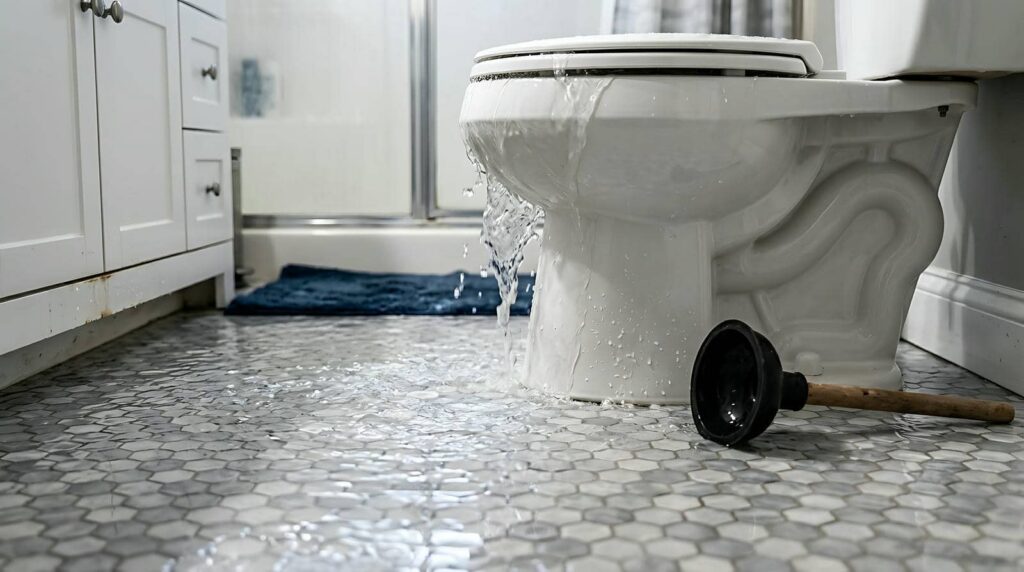
A sewage backup can turn a simple cleanup into a major expense almost instantly. You’ll see the bill rise based on how far the waste spread, how severe the contamination is, and which materials it reached. Porous surfaces, hidden damage, and poor drying can all drive costs higher. If you want to avoid unnecessary repairs and wasted time, you’ll need to know which factors matter most.
Key Takeaways
- Cleanup costs rise with the size of the sewage spread, especially when multiple rooms require separate containment and disposal.
- Severe contamination increases labor, equipment, drying time, and disposal expenses compared with light surface-level damage.
- Porous materials like drywall, insulation, carpets, and upholstery often need removal, making them more expensive to restore.
- Hidden damage in subfloors, wall cavities, baseboards, and HVAC systems can greatly expand the scope and cost of repairs.
- Acting quickly, limiting access, and calling a licensed remediation professional can help reduce overall sewage backup costs.
Main Factors That Affect Sewage Cleanup Costs
Several key factors determine what you’ll pay for sewage backup cleanup, starting with how far the water has spread, how severe the contamination is, and which materials it has affected.
You should also consider sewage backup cleanup cost factors such as drying time, disinfecting requirements, and any repairs needed after removal.
When sewage reaches porous materials, you often face higher labor and disposal costs because crews must extract, sanitize, and sometimes replace them.
Hard surfaces usually reduce scope, but they still need careful cleaning to meet health standards.
You’ll also pay more if odor control, antimicrobial treatment, or specialized equipment is necessary.
How Far the Sewage Spread
How far the sewage spread is one of the biggest drivers of cleanup cost, because a larger affected area means more labor, more materials to remove, and more time spent disinfecting and drying the space.
When sewage stays in one room, you’ll usually face a narrower scope and a faster response. Once it moves into hallways, closets, or adjacent rooms, crews must isolate each zone, extract waste, and clean every exposed surface.
You also pay for additional containment and disposal steps as the footprint expands. In practical terms, the farther the backup travels, the more coordinated the work becomes.
If you’re comparing estimates, focus on square footage touched and how many areas need separate treatment, because that directly shapes the final price.
How Contamination Level Changes the Price
When contamination is light, you’ll usually face lower cleanup costs because crews can remove affected materials and sanitize the area more quickly.
As contamination becomes more severe, you’ll pay more for labor, disposal, disinfection, and often deeper structural remediation.
The higher the contamination level, the more extensive the work becomes, and the price rises accordingly.
Light Contamination Costs
Light contamination usually keeps sewage cleanup costs closer to the lower end because crews can often sanitize the affected area without full structural removal or major reconstruction.
You’ll typically pay for extraction, disinfection, and targeted drying rather than extensive demolition. If the backup stayed on hard surfaces and didn’t soak insulation, subflooring, or wall cavities, you’re in a more manageable range.
Prompt response matters because every hour of delay can increase labor time and material replacement. You should also expect the estimate to reflect access, square footage, and the need for odor control or antimicrobial treatment.
When you act quickly, you protect your space, reduce risk, and keep your cleanup team focused on the essentials.
Severe Contamination Increases
As contamination becomes more severe, cleanup costs rise because crews must spend more time on containment, removal, and decontamination.
You’ll usually pay more when sewage reaches multiple rooms, seeps into subfloors, or soaks porous materials that can’t be salvaged. Technicians must also test surfaces, remove saturated drywall and insulation, and apply antimicrobial treatment to limit health risks.
If waste has spread widely, you may need stronger equipment, longer drying cycles, and additional labor to verify that the area’s safe again. Contaminated contents, odor control, and disposal fees can further increase your bill.
In practice, severity drives both the scope and the pace of work, so a larger affected area almost always means a higher final cost for your property.
Which Materials Raise Cleanup Costs
Porous and hard-to-clean materials can quickly drive up sewage backup cleanup costs because they absorb contamination and often require removal rather than simple disinfection.
You’ll usually pay more when sewage reaches upholstered furniture, mattresses, insulation, particleboard, paper goods, and textiles, since these items trap moisture and pathogens.
Carpet padding, curtains, books, and stored clothing can also raise labor and disposal costs because technicians must sort, bag, and remove them carefully.
Even when a material appears intact, hidden absorption can force broader cleanup and stronger antimicrobial treatment.
If you want to protect your property and your team’s well-being, isolate these materials fast and document them for the insurer.
Cleanable nonporous surfaces typically cost less to restore, so material choice strongly shapes the final bill.
Floor and Drywall Cleanup Costs
When sewage reaches your flooring, you’ll often face floor removal costs tied to the material, the extent of saturation, and the labor required for safe extraction.
If contamination has wicked into drywall, you’ll likely need drywall replacement costs that reflect cut-out depth, disposal, and restoration of affected wall sections.
These two expenses usually rise with the spread of wastewater and the time needed to dry, sanitize, and rebuild the area.
Floor Removal Costs
Floor removal often becomes one of the largest cleanup expenses after a sewage backup because contaminated water can migrate beneath tile, laminate, carpet, and subflooring, forcing crews to remove materials that can’t be effectively sanitized.
You’ll also pay more when adhesive, padding, or underlayment traps waste and odor, since technicians must work methodically to protect your structure and your household’s health.
Larger affected areas increase labor, disposal fees, and time on site, while difficult layouts, stairs, and built-ins add complexity.
If your flooring sits over damaged subfloors, removal may need to be deeper and more precise.
You deserve a response that restores safety efficiently, and a thorough demolition plan helps your team contain contamination and reduce future complications.
Drywall Replacement Costs
Once contaminated water reaches walls, drywall replacement can become a significant part of sewage backup cleanup costs. You’ll usually need to remove any gypsum board that absorbed waste, because hidden moisture and bacteria can keep spreading.
Your total depends on wall height, insulation exposure, labor, and whether the damage reaches studs or trim. You may also need odor treatment and mold prevention before new panels go up.
- Cut out saturated drywall promptly
- Inspect insulation and framing for contamination
- Disinfect exposed wall cavities thoroughly
- Dry the structure before reinstalling panels
- Refinish seams, paint, and trim for a clean result
When you address these steps quickly, you protect your home and help your cleanup team restore a safe, familiar space.
Why Drying Matters After Sewage Backup
Drying matters after a sewage backup because moisture left in place lets contamination spread, weakens building materials, and drives up remediation costs.
You need fast, thorough drying to limit how far wastewater wicks into framing, flooring, and insulation. When surfaces stay damp, bacteria and odors persist, and cleanup becomes more complex for your home and your crew.
Professional drying also helps you identify hidden moisture before it causes secondary damage, so you can act with confidence. By controlling humidity and airflow promptly, you reduce the scope of sanitary restoration and protect the spaces where you and your household belong.
Effective drying isn’t optional; it’s a critical step that keeps cleanup efficient, safer, and more cost-conscious.
Repairs That Increase Sewage Cleanup Costs
Repairs raise sewage cleanup costs when contamination damages materials beyond surface cleaning and requires demolition, replacement, and reconstruction. You’ll usually see higher costs when sewage reaches subfloors, baseboards, insulation, or wall cavities, because hidden damage expands the scope of work and slows restoration.
- Remove and replace soaked drywall
- Demolish warped flooring and underlayment
- Repair damaged cabinetry or built-ins
- Restore ruined insulation and trim
- Rebuild finishes after structural drying
You can expect charges to rise further if plumbing leaks or foundation cracks let wastewater spread.
Keep in mind that matching finishes, hauling debris, and reinstalling fixtures also add labor and materials.
When you understand these repair drivers, you’re better prepared to budget confidently and stay aligned with the cleanup plan.
When to Call a Sewage Remediation Pro
You should call a sewage remediation pro as soon as wastewater enters living spaces, contact with porous materials becomes likely, or the affected area exceeds what you can safely clean and dry yourself.
You need trained help when sewage reaches flooring, drywall, insulation, or HVAC components, because contamination can spread beyond what you can see. A qualified team will assess the source, isolate the area, remove unsafe materials, and verify proper sanitation and drying.
You also should act quickly if anyone in your household has health risks, if odors persist, or if the backup affects multiple rooms. Calling a pro early helps you follow a disciplined recovery process and protects your property, your standards, and the people who depend on you.
How to Lower Sewage Backup Cleanup Costs
Because sewage cleanup costs rise with every additional hour of spread and contamination, the fastest way to lower the bill is to limit damage early. You should shut off water, keep people out, and call a licensed remediation pro at once. Quick action reduces absorbed contamination, drying time, and repair scope, helping your household stay protected and supported.
- Contain the leak with barriers
- Remove salvageable items promptly
- Photograph damage for insurance
- Ventilate only if it’s safe
- Disinfect surfaces before mold starts
You’ll save more when you separate porous materials from cleanable ones, because drywall, carpet, and padding often drive costs higher.
Ask for a detailed estimate, compare scopes, and choose targeted repairs over full replacement whenever professionals confirm it’s appropriate.
Frequently Asked Questions
How Long Does Sewage Cleanup Usually Take?
You’ll usually need one to three days for sewage cleanup, but severe contamination can take longer. You’ll get faster results when you act quickly, because drying, disinfection, and repairs all affect the timeline.
Does Homeowner’s Insurance Cover Sewage Backup Damage?
Usually, your homeowner’s insurance doesn’t cover sewage backup unless you’ve added a specific endorsement. You’ll want to review your policy carefully, because standard coverage often excludes these unwelcome intrusions, leaving you to carry costs.
Can I Clean Minor Sewage Backup Myself?
You can clean a minor sewage backup yourself only if the spill is truly limited, you’ve protected yourself, and you disinfect thoroughly; otherwise, you should call professionals to avoid contamination, hidden damage, and health risks.
What Health Risks Come From Sewage Exposure?
You can get infections, stomach illness, skin irritation, and breathing problems from sewage exposure, like a storm cloud over your health. You’ll need prompt cleanup, protective gear, and medical care if symptoms appear.
Should I Replace Furniture After Sewage Contamination?
You should usually replace porous furniture after sewage contamination, because contaminants penetrate deeply and drying won’t fully sanitize it. You can sometimes salvage nonporous items with professional cleaning, but safety should guide your decision.
Wrap-Up
You’ve seen how sewage backup costs can snowball fast, and they can feel like a financial sinkhole swallowing your home. The farther it spreads, the harder it is to contain, and the more porous the materials, the deeper the damage seeps. Act quickly, dry everything thoroughly, and call a pro before hidden contamination turns a bad mess into a full-blown disaster. The sooner you respond, the more you’ll protect your property and your budget.