
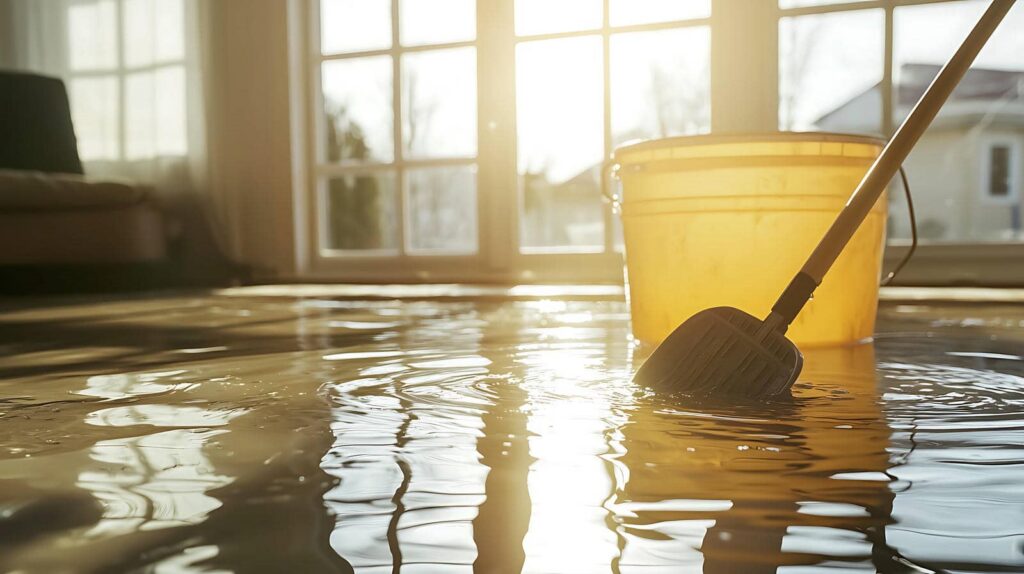
When water rushes in, it can turn your home upside down in minutes. You need to stop the source, protect your safety, and move fast before damage spreads. If you know what to do in the first hour, you can limit mold, save more belongings, and avoid costly mistakes. The next steps aren’t complicated, but they do matter—and one wrong move can change everything.
Key Takeaways
- Stop the water source immediately and shut off electricity in affected areas if it is safe to do so.
- Remove standing water quickly using pumps, mops, and wet vacs, then start drying with fans and dehumidifiers.
- Protect belongings by moving valuables to dry areas and photographing all damage for insurance and repair records.
- Sanitize hard surfaces after cleanup and discard porous materials that absorbed contaminated water.
- Call professionals if water persists, hidden moisture is suspected, or you notice swelling, stains, or musty odors.
What Emergency Water Cleanup Covers?
Emergency water cleanup covers the fast response needed after floods, burst pipes, leaks, or any standing water in your home. You use it to protect your space, reduce damage, and get your household back on track.
This process includes removing pooled water, drying wet surfaces, and checking hidden moisture in floors, walls, and belongings. It also means documenting damage, salvaging what you can, and preparing the area for safe repairs.
When you act quickly, you help limit mold growth and structural problems. You don’t have to handle it alone; emergency water cleanup gives you a clear path forward.
With the right steps, you can restore order, protect your home, and feel confident moving ahead together.
Stop the Water Source First
Before you do anything else, stop the water at its source so the damage doesn’t keep spreading. If a pipe bursts, shut off the main valve. If an appliance is leaking, turn off its supply line.
If the problem comes from rain or floodwater, block entry only if you can do it safely. You’re not overreacting—you’re protecting your home and your people. Acting fast limits structural damage, helps preserve flooring and drywall, and makes cleanup manageable for everyone involved.
If you can’t find the source quickly, call a qualified professional right away and keep the area clear. Stay calm, move with purpose, and remember that smart homeowners handle emergencies as a team.
Once the flow stops, you’ll be in a much stronger position to recover.
What to Do in the First 60 Minutes
In the first 60 minutes, focus on safety, damage control, and documentation. Turn off electricity to affected rooms if you can do it safely, and keep family members and pets away from wet areas.
Move important items, photos, and electronics to a dry spot. Then take clear photos and short videos of every damaged room, item, and water line before you disturb anything.
Call your insurer, landlord, or restoration pro right away so you can coordinate next steps. Open windows and doors only if weather and security allow it.
Use towels or buckets to protect dry areas from spread. Stay calm—you’re not behind, and quick, steady action helps your home recover faster.
Keep a simple note of times, contacts, and what you observed for the claim.
How to Remove Standing Water Safely
Before you start, assess the water depth so you know whether you can handle it safely or need professional help.
Shut off electricity to the affected area if you can do so without entering the water, then use a pump to remove the bulk of it.
Once the level drops, mop up the remaining moisture right away to reduce damage and lower the risk of mold.
Assess Water Depth
Water depth tells you how urgent the cleanup is and what you can safely do next. Measure the water at several spots with a ruler, broom handle, or marked stick, and note the deepest point.
If it’s just a thin layer, you can usually move ahead with basic tools. If it reaches your ankles or higher, slow down and plan for stronger equipment or help.
Watch for uneven floors, hidden debris, and slippery surfaces, because depth can change quickly from room to room. Keep a clear path before you start removing water, and work in small sections so you stay in control.
Checking depth first helps you protect your home, avoid missteps, and join the cleanup with confidence, not panic, alongside neighbors who know the process.
Shut Off Electricity
Turn off electricity at the breaker before you step into standing water, because even a shallow puddle can carry a deadly shock. If you can reach the panel without crossing wet floors, shut off power to the affected rooms, and don’t touch outlets, cords, or appliances that may be submerged.
If water is near the breaker, call a licensed electrician or your utility company for help. Use a flashlight, not candles, so you can move safely and keep your home from added risk.
Once the power is off, you’re protecting your family and creating a safer place to work. Staying calm matters here; you’re not behind, you’re taking the right first step.
After that, you can assess the next cleanup move with confidence and control.
Pump And Mop Up
Now that the area is safe, start removing standing water with the right tools for the job. Use a submersible pump for deep water and a wet/dry vacuum for smaller amounts.
Work from the lowest point and move toward the exit so you don’t spread water around. Empty the machine often and keep cords clear of damp surfaces.
After the bulk is gone, grab sturdy mops, buckets, and towels to finish the cleanup. Wring them out outside if you can.
Wear boots and gloves, and toss anything that soaked up dirty water, like carpet padding or damaged insulation. If the water came from a flood or sewage, call a professional.
You’re not dealing with this alone; careful, steady action gets your home moving toward recovery.
Dry Walls, Floors, and Furniture Fast
Start drying immediately to reduce swelling, warping, and mold growth. You can protect your home by moving air across wet surfaces and pulling moisture out of rooms. Open windows if outside air is dry, and run fans toward damp walls, floors, and furniture. A dehumidifier helps you dry faster and keeps conditions steady.
Lift rugs and cushions to expose hidden moisture.
Wipe hard surfaces with clean towels.
Separate furniture pieces so air reaches every side.
Check baseboards, corners, and under cabinets for trapped water.
Stay organized and work room by room so you don’t miss spots. If something feels too heavy or fragile, ask for help from someone you trust. You’re not alone—quick, calm action gives your home the best chance to recover well.
When Water Damage Starts to Mold?
If wet materials stay damp for more than 24 to 48 hours, mold can begin to grow. That clock starts as soon as water soaks into drywall, carpet, wood, or insulation, so act quickly.
You may notice a musty smell, dark spots, or fuzzy patches, but mold can also hide where you can’t see it. Keep air moving, lower humidity, and keep drying the area until surfaces feel fully dry.
If water came from sewage or floodwater, treat the space as high risk and get help fast. Trust your nose and your eyes, and don’t wait for visible growth to confirm trouble.
When you move promptly, you protect your home, your health, and your peace of mind.
What Water-Damaged Items to Save or Toss
Deciding what to save after water damage depends on the type of water, how long the item stayed wet, and what it’s made of. You can often keep hard, nonporous items if they dried quickly. Toss porous materials that soaked up dirty water or stayed wet too long. Use this quick guide:
Save: metal, glass, and solid wood if they’re structurally sound.
Consider: upholstered furniture and mattresses only if clean water hit them and drying started fast.
Toss: carpet, insulation, drywall, and paper goods that absorbed water.
Replace: electronics that were submerged or show corrosion.
Trust your instincts, but don’t cling to items that could keep your home unsafe.
Your best move is to act quickly, protect your family, and choose what truly belongs in your space.
How to Sanitize After Flood or Leak Damage
Once you’ve removed damaged materials and standing water, sanitize every hard surface that may have been touched by floodwater, sewage, or a leaking pipe to stop mold and bacteria from spreading.
Wear gloves, eye protection, and a mask, then scrub floors, walls, counters, and fixtures with hot water and detergent first. Rinse well, then apply a disinfectant labeled for the surface and follow the contact time exactly.
Keep windows open and fans running so the area dries fast. Wash tools, mops, and buckets after each use, and replace sponges you can’t fully clean.
For porous items you keep, clean them as recommended and dry them thoroughly.
When you sanitize carefully, you protect your home and help everyone feel safe again.
Signs You Need Professional Water Cleanup
Even after you’ve sanitized hard surfaces and cleaned up visible mess, some water damage needs more than DIY effort. You can often tell when it’s time to call pros by watching for these signs:
Water keeps returning after mopping or blotting.
You smell a musty odor that won’t fade.
Floors, walls, or ceilings feel soft, swollen, or warped.
You’re seeing stains, peeling paint, or bubbling finishes.
If you notice any of these, don’t wait. Hidden moisture can spread and make cleanup harder for everyone in your home.
Professional crews use specialized equipment to find trapped water, dry affected areas, and help you get back to normal with confidence. You deserve support, and bringing in experts can protect your space, your comfort, and your peace of mind.
How to Prevent Future Water Damage
To help prevent future water damage, you need to stay proactive with regular inspections and quick maintenance.
Check roofs, gutters, downspouts, pipes, and appliance hoses each season, and fix small issues before they spread.
Keep your sump pump tested, your drains clear, and your water heater inspected.
Seal gaps around windows, doors, and foundation cracks so water can’t sneak in.
If you live in a high-risk area, consider a water alarm or smart leak detector for early alerts.
Know where your main shutoff valve is, and make sure everyone in your home does too.
When you build these habits, you’re protecting your home and joining the group of homeowners who stay ready, confident, and in control.
Frequently Asked Questions
How Do I Document Water Damage for an Insurance Claim?
Photograph and video every damaged area, save receipts, list affected items, and note dates, times, and causes. You’ll strengthen your claim by keeping records organized, detailed, and ready to share with your insurer.
Can I Stay in My Home During Emergency Water Cleanup?
Sometimes you can, but you’ll need to assess safety first. If water’s contaminated, structural damage exists, or mold’s spreading, leave. You should follow cleanup crews’ guidance and stay elsewhere if conditions feel unsafe.
What Electrical Hazards Should I Watch for After Flooding?
Watch for live wires, wet outlets, damaged appliances, and tripped breakers. You should shut off power if it’s safe, avoid standing water near electricity, and call a licensed electrician before you reenter flooded areas.
How Soon Should I Call My Insurance Company?
Call them immediately after you’ve confirmed everyone’s safety and documented the damage. You’ll speed claims, protect your coverage, and join the homeowners who act fast. Don’t wait for repairs or cleanup to begin.
Do I Need Permits for Major Water Damage Repairs?
Yes, you’ll probably need permits for major repairs, like rebuilding walls or replacing electrical and plumbing. Check with your local building office first, so you stay safe, compliant, and supported through the recovery.
Final Thoughts
When water hits your home, every minute matters more than you’d think. You stop the source, protect your space, and dry things out fast before a small leak becomes a full-blown disaster. Trust your instincts, but don’t gamble with hidden damage—if odors, stains, or warped floors linger, you need help. Stay prepared, act quickly, and you’ll turn a water emergency from a house-wrecking nightmare into a manageable cleanup.