
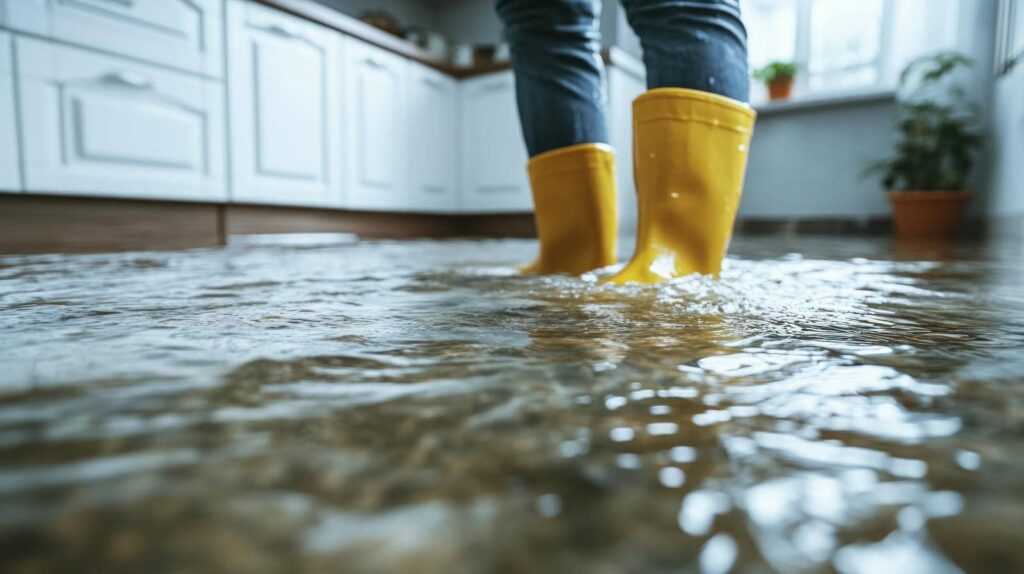
You should clean up water damage within 24 to 48 hours, because once moisture settles into drywall, wood, and insulation, the clock starts working against you. The first day matters most for preventing mold, odors, and costly structural issues. Even small leaks can hide deeper damage than you expect, and knowing what to do next can make all the difference.
Key Takeaways
- Water damage should be cleaned up within 24 to 48 hours to prevent mold, odors, and structural damage.
- Act immediately, since water spreads quickly through porous materials and hidden moisture can remain after surfaces look dry.
- Shut off the water source, remove standing water, and dry affected areas as soon as possible.
- Call professionals for large areas, soaked drywall or ceilings, or contaminated water like sewage or floodwater.
- Fast cleanup lowers repair costs, protects the home’s structure, and reduces health risks.
How Fast Should Water Damage Be Cleaned Up?
Water damage should be cleaned up as quickly as possible, ideally within 24 to 48 hours, to limit structural damage, mold growth, odors, and expensive repairs.
If you’re asking how fast should water damage be cleaned, the answer is: immediately, with a focused plan that matches the source, materials, and saturation level.
You should stop the water, remove standing moisture, and dry affected surfaces with air movement and dehumidification.
Porous materials can trap water, so you’ll want to inspect them closely and act fast.
When you respond early, you protect your home’s structure and help your household stay comfortable and confident.
You’re not alone in this process; a skilled restoration team can guide you, verify dryness, and reduce the chance of hidden problems.
Why the First 24 Hours Matter
You need to act within the first 24 hours because water can spread through porous materials, weaken building components, and create hidden damage fast.
Mold can begin growing quickly in damp conditions, so prompt drying helps reduce health risks and costly repairs.
If you respond right away, you’ll limit structural loss, odor development, and the chance of a larger restoration job.
Mold Growth Starts Quickly
Within the first 24 hours, moisture can create ideal conditions for mold to begin growing, especially on porous materials like drywall, insulation, and wood.
If you act quickly, you can interrupt that process before spores establish colonies. You don’t need to panic, but you do need to respond with urgency and care.
Remove wet contents, control humidity, and dry affected areas with strong airflow and dehumidification.
Keep checking for lingering dampness behind surfaces and inside cavities, because hidden moisture can support mold even when things look dry.
When you move fast, you protect your home’s materials and your peace of mind.
You’re not alone in this—prompt cleanup is the standard way your space stays healthy, safe, and ready for recovery.
Damage Spreads Within Hours
In the first 24 hours, water damage can spread quickly through flooring, drywall, insulation, and framing, turning a small leak into a much larger repair.
You’ll usually see moisture wick upward and sideways, soaking materials beyond the visible stain. If you act fast, you can limit swelling, warping, rust, and weakened joints before they compromise your home’s structure.
Dry surfaces on top don’t always mean the cavity is dry inside, so you need inspection, extraction, air movement, and dehumidification right away. This is where you protect your space and keep it safe for everyone in it.
The sooner you respond, the more likely you’ll avoid demolition, odors, and hidden damage. Prompt cleanup helps your home recover with less stress and cost.
What Water Damage Does to Materials
Water exposure starts damaging materials quickly, even when the surface still looks intact. You’ll often see swelling in wood, drywall softening, and adhesives losing strength as moisture moves deeper into assemblies.
Fibers in carpet, insulation, and upholstery can hold water, which changes texture, reduces performance, and traps contaminants. Metal parts may corrode, fasteners can loosen, and laminate surfaces may delaminate when repeated wetting and drying occur.
If you act fast, you help preserve structural stability and lower replacement costs. You also give your home a better chance of drying evenly, which supports a safer, healthier recovery. You’re not alone here; prompt cleanup is a practical step that protects the materials you rely on every day.
How Quickly Can Mold Start Growing?
Mold can start growing surprisingly fast after a water event, especially if damp materials stay wet for 24 to 48 hours.
In your home, porous materials like drywall, insulation, carpet, and wood can hold moisture long enough for spores to activate.
Temperature, humidity, and hidden wet areas can speed that process, so you may not see growth right away even when it’s already starting.
You’re not alone in dealing with this risk; many homes experience it after leaks or flooding.
Fast drying lowers the chance of colonies forming and helps protect air quality, finishes, and structure.
If surfaces stay damp, the odds rise quickly.
That’s why prompt moisture removal and thorough drying matter so much for your space and peace of mind.
What to Do in the First Hour
In the first hour, you should shut off the water source if it’s safe to do so, then cut power to affected areas if there’s any risk of electrical contact.
Next, remove standing water as quickly as possible using towels, a wet/dry vacuum, or a pump, depending on the amount.
Fast action limits absorption into building materials and helps reduce structural damage, mold growth, and odors.
Shut Off Water Source
Act quickly to stop the source of the leak so the damage doesn’t keep spreading.
First, identify the shutoff point for the fixture, appliance, or branch line involved. Turn the valve clockwise until it stops, and if you can’t isolate it safely, close the main water supply.
If you’re dealing with a broken pipe, keep everyone clear of electrical hazards and avoid touching wet outlets or cords.
Once the flow stops, check nearby rooms for active leakage behind walls, ceilings, or cabinets. Document what you see with photos for your records and your insurer.
If the valve is stuck, don’t force it—call a licensed plumber.
Taking this step right away helps protect your home, your belongings, and the people who live with you, so your household stays safer and more in control.
Remove Standing Water
Start removing standing water within the first hour to limit swelling, staining, and hidden moisture that can seep into floors, drywall, and insulation.
You’ll want to act fast with a wet/dry vacuum, pump, mop, or towels, depending on the amount and source. Pull water from carpets, baseboards, and low spots first, then check closets, under furniture, and behind appliances where water often hides.
If the area is large or contaminated, call a water damage pro right away so your team can handle extraction safely and completely.
Keep air moving while you work, but don’t skip removal for drying. The sooner you clear pooled water, the less likely you’re to face warped materials, mold growth, lingering odors, and expensive repairs later.
When Is DIY Cleanup Enough?
DIY cleanup is usually enough only when the water damage is minor, clean, and caught fast—like a small spill, a brief overflow, or a limited leak that hasn’t soaked drywall, insulation, or subflooring.
You can handle it with towels, a wet/dry vacuum, fans, and steady ventilation. Remove moisture from hard surfaces, lift damp rugs or mats, and check adjacent areas for hidden wetness.
If the area dries fully within 24 to 48 hours, you’re likely in good shape. Use your nose and hands: no musty odor, no soft spots, no discoloration.
Stay calm and systematic; acting early helps you protect your space and keep your home feeling comfortable, safe, and truly yours.
When Should You Call Water Damage Pros?
Call water damage professionals when the affected area is larger than a small room, when water has soaked into drywall, insulation, subflooring, or ceilings, or when the source is contaminated, such as sewage, floodwater, or a long-standing leak. You’ll protect your home and join the many homeowners who act fast.
- Moisture has spread behind walls
- Flooring feels soft, warped, or lifted
- Odors linger after surface drying
- Cleanup needs extraction, drying, and disinfection
Pros use meters, air movers, and dehumidifiers to remove hidden moisture and reduce repair costs. They’ll document damage, monitor drying, and help you avoid secondary problems.
If you’re unsure, call sooner rather than later; quick support keeps the situation manageable and helps you feel confident moving forward.
How to Spot Emergency Water Damage
Emergency water damage usually shows up as more than a damp spot or a little staining. You may notice spreading discoloration, warped baseboards, buckled flooring, peeling paint, or a musty odor that doesn’t fade.
Water can also seep into walls, ceilings, insulation, and subfloors, so you’ll want to watch for soft drywall, sagging materials, and rust on metal fixtures. If you see active dripping, standing water, or moisture reaching outlets or appliances, treat it as urgent.
You’re not overreacting; these signs mean water’s moving beyond the surface. Act quickly, document what you see, and keep everyone clear of affected areas until the space is assessed.
Catching the problem early helps you protect your home and stay confident with your crew.
How to Reduce Repair Costs After Damage
Act fast to limit water damage repair costs, because the longer moisture sits, the more likely you’re to face structural deterioration, mold growth, and deeper material replacement. You can trim expenses by shutting off the source, documenting damage, and drying materials within 24 to 48 hours.
Prioritize the areas your team can stabilize first.
- Remove standing water immediately
- Salvage drywall, insulation, and flooring quickly
- Run dehumidifiers and air movers continuously
- Call a certified remediation pro for hidden moisture
When you work methodically, you protect your home and stay part of a community that handles losses before they escalate.
Focus on containment, ventilation, and moisture meters so you don’t miss trapped water. That careful approach reduces labor, prevents secondary damage, and keeps repairs simpler, safer, and less costly.
Frequently Asked Questions
How Do I Tell if Water Is Still Trapped Behind Walls?
You can spot trapped water by checking for cool, swollen, or discolored walls, musty odors, peeling paint, and moisture meter readings. If you’re unsure, you should call a water-damage pro quickly.
Can Clean Water Damage Still Cause Hidden Problems Later?
Yes, even clean water can leave hidden problems later. You’ll want to dry materials fast, check behind walls, and watch for mold, swelling, or odors. Quick action helps you protect your home and keep your space safe.
Will Homeowners Insurance Cover Emergency Water Damage Cleanup?
Yes, your homeowners insurance may cover emergency water damage cleanup, if the cause is sudden and accidental; you should document everything, call your insurer immediately, and act fast—like a rising tide—to limit losses and protect your claim.
How Can I Safely Document Water Damage for a Claim?
You can safely document water damage for a claim by photographing every affected area, recording dates, noting sources, saving receipts, and avoiding hazards. You’ll protect your evidence, support your claim, and feel prepared.
Do Dehumidifiers Alone Fully Dry a Water-Damaged Room?
No, dehumidifiers alone usually don’t fully dry a water-damaged room. You’ll need airflow, heat, moisture removal, and sometimes demolition to reach hidden damp areas, prevent mold, and protect your home.
Wrap-Up
You should clean up water damage within 24 to 48 hours, or it can spread like ink in paper. Acting fast helps you protect drywall, flooring, and insulation before moisture triggers mold, odors, and costly repairs. Start by stopping the water, drying the area, and removing damaged items. If the damage is widespread or hidden, you’ll need professional help to make sure every wet surface is properly restored.