
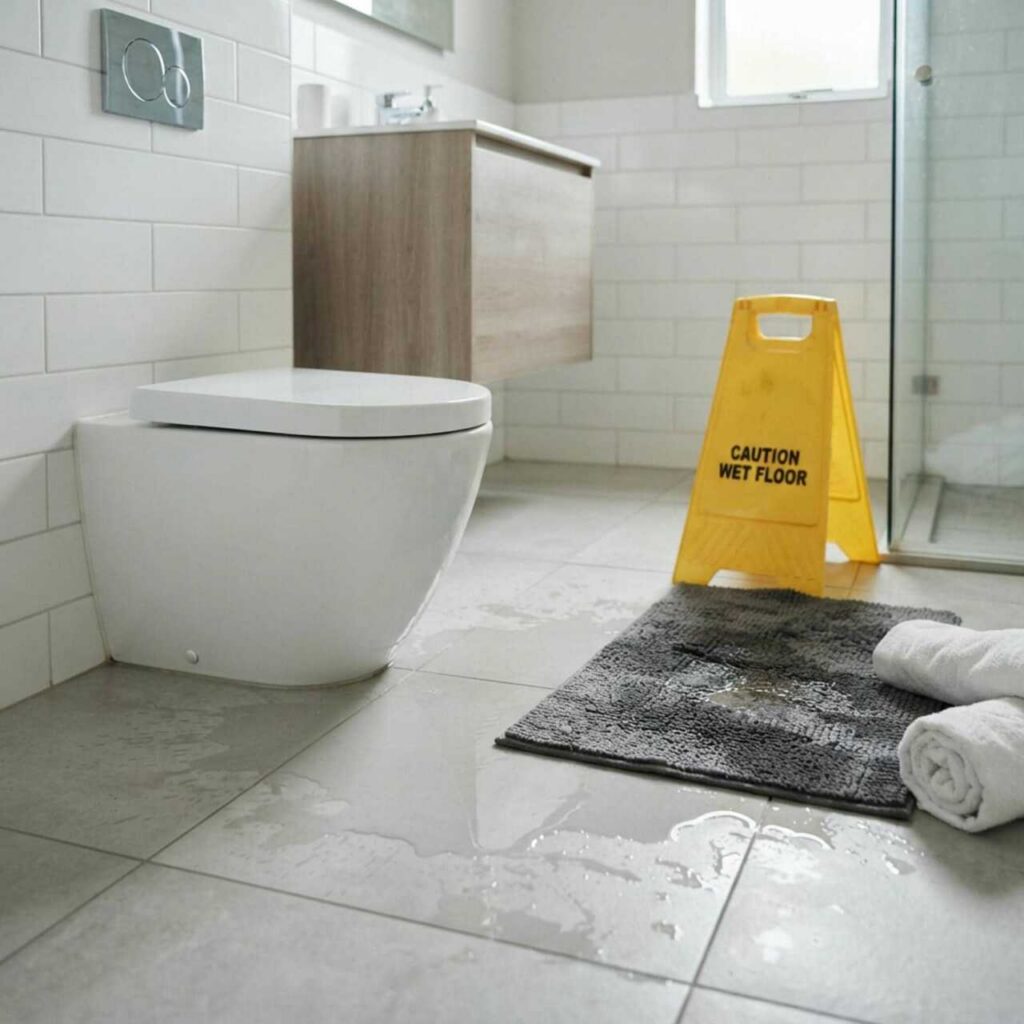
When you file a sewer backup claim, you need clear proof of the loss before the insurer can assess it. You should photograph every affected area, keep receipts for cleanup and repairs, and list damaged items by room with their condition and value. You also need purchase records, contractor details, and organized estimates. The way you document now can shape how smoothly your claim moves next.
Key Takeaways
- Photograph all sewer backup damage immediately, including wide shots, close-ups, and labels or serial numbers on affected items.
- Submit a complete claim package quickly with photos, damage notes, cleanup records, and restoration details.
- Keep an itemized list of damaged property by room, noting condition, estimated value, and whether items need repair or replacement.
- Save all cleanup, disposal, and contractor receipts, plus work logs, contact details, and correspondence related to restoration.
- Match damaged contents to purchase records, such as receipts, statements, or warranties, to prove ownership and value.
What Sewer Backup Insurance Covers
Sewer backup insurance typically covers damage caused when wastewater or sewage enters your home through drains, toilets, or basement fixtures due to a covered backup event.
You can usually expect protection for soaked flooring, ruined walls, contaminated personal property, and necessary cleanup costs tied to the incident. Your policy may also address limited repairs needed to restore affected areas to a sanitary condition.
Sewer backup insurance documentation helps you show the insurer what was damaged and why the loss falls within your coverage. You should review your policy’s limits, exclusions, and endorsements, since coverage often depends on specific terms.
If you belong to a community of homeowners facing this risk, clear records can help you present a well-supported claim and reduce uncertainty during the process.
Photograph the Damage Right Away
You should photograph the damage right away to preserve clear evidence for your sewer backup insurance claim.
Capture wide area shots to show the full extent of the affected rooms, along with close-up details of damaged materials, standing water, stains, and any visible debris.
These images can support your documentation, help verify cleanup records, and strengthen your restoration notes.
Capture Wide Area Shots
Start with wide-area photos that show the full extent of the sewer backup before cleanup begins. You should stand back and frame each room, hallway, and affected entry point so the insurer can see how the water moved through your space.
Use natural light when possible, and keep the camera steady to preserve clarity. Take shots from several corners and from the doorway to establish context and scale.
Include adjacent areas that may appear only slightly affected, since they help document the loss pattern. If you live in a shared building, capture common areas that connect to your unit.
These images give your claim a clear foundation and help you present a complete, credible record that fits the expectations of your policy community.
Document Close-Up Details
Move in close and photograph the damaged items, surfaces, and structural materials before any cleanup begins. You should capture stains, residue lines, warped flooring, soaked drywall, and any visible contamination at multiple angles.
Include labels, serial numbers, and manufacturer marks on appliances, furniture, and stored belongings. If water has reached outlets, vents, or baseboards, document those areas clearly.
Use sharp focus and good lighting so the insurer can verify extent and placement of loss. Keep each image tied to a written note that identifies the room, item, and condition.
These close-up records help you present a complete claim, support your cleanup timeline, and show that you acted promptly with the care your household deserves.
Save Cleanup Records and Receipts
You should save itemized receipts for all cleanup supplies, equipment, and restoration services, because they support the cost of your sewer backup claim.
You should also track cleanup labor by recording who worked, when they worked, and what tasks they completed.
In addition, you should organize disposal costs for contaminated materials, since these records help substantiate your total losses.
Save Itemized Receipts
Keep itemized receipts for every cleanup expense, because sewer backup insurance claims depend on clear proof of what you paid and why. You should keep each receipt showing the date, vendor name, service or product, unit cost, taxes, and total amount.
This detail helps your insurer verify that each charge relates to the backup and supports your claim with consistent records. Organize receipts by category, such as cleaning supplies, disposal fees, and emergency services, so you can review them quickly if questions arise.
If a receipt is faded or digital, save a clear copy immediately. When you present complete, orderly receipts, you show that you’re prepared, informed, and part of the group of policyholders who document losses carefully and professionally.
Track Cleanup Labor
Track cleanup labor by recording who worked, what tasks they completed, when they worked, and how long each task took. You should keep a daily log for each person, including your own time if you helped.
Note when crews entered and left, which rooms they treated, and what actions they performed, such as drying surfaces, removing wet materials, or sanitizing affected areas.
Pair each entry with signed invoices, time sheets, or work orders so your record stays credible. If you hire professionals, ask them to itemize labor separately from materials.
Save photos of the work in progress and any written estimates that describe labor scope. These records help you show the insurer a clear, shared account of cleanup efforts and support a smoother claims review for your household.
Organize Disposal Costs
Document disposal costs by saving every cleanup record and receipt tied to debris removal, hauling, and landfill or transfer-station fees.
You should keep each invoice, service ticket, and dated proof of payment in one organized file. Record the vendor name, pickup date, itemized charges, and the affected area so you can connect every expense to the sewer backup.
If you rent bins or pay for emergency waste removal, include those documents too. Photocopy or scan receipts that may fade, and note any cash payments with a written log.
This evidence helps you present a complete claim and shows that you acted promptly. When you store these records with your damage notes, you strengthen your documentation and support a smoother review for your household or community.
Document Damaged Items by Room
In each affected room, list every damaged item and note its condition, location, and extent of loss. You should separate the kitchen, basement, bedrooms, and any other impacted area so your records stay clear and easy to review.
Identify furniture, appliances, textiles, electronics, and stored contents individually, and state whether you can clean, repair, or must replace each item. Use consistent labels that match your photos and inventory sheets, so you and your adjuster can track every loss without confusion.
Include brand names, model numbers, purchase dates, and estimated values when available. Keep your notes factual and concise, and update them as you discover additional damage during cleanup.
This organized approach helps your claim reflect the full scope of loss and supports your recovery.
Record Water Levels, Odors, and Stains
After listing damaged items by room, record the physical signs of sewer intrusion in each area, including the water line, the extent of flooding, any lingering odors, and visible stains on floors, walls, baseboards, and contents.
You should note the highest point reached by the water and estimate how far it spread. Include measurements when you can, and describe discoloration, residue, or marking with clear terms.
If odors remain, identify their intensity and location, since this supports the scope of loss. Photograph each sign from several angles so your records reflect conditions accurately.
Keep your notes consistent across rooms, and date every entry. When you document these details carefully, you strengthen your claim and help your insurer understand the full impact on your home.
Track Restoration Work and Contractor Details
You should record each contractor’s name, company, phone number, email, and license information as soon as restoration work begins.
You should also keep detailed work logs that note the date, scope, materials, equipment, and completion status for each service visit.
These records help you verify the restoration timeline and support your sewer backup insurance claim.
Contractor Contact Details
Keep the contractor’s contact details with your sewer backup claim records so you can verify who performed the restoration work and when. You should list the company name, primary phone number, email address, mailing address, license number, and the name of the lead technician.
This information helps your insurer confirm that an authorized professional completed the job and lets you reach the contractor quickly if questions come up. Include the date you hired the contractor and the service area covered, such as extraction, sanitation, or repairs.
If multiple firms were involved, separate their details clearly. When you organize these records, you strengthen your claim and show you’re part of a careful, prepared group of policyholders.
Accurate contact details also support follow-up communication and reduce delays during review.
Restoration Work Logs
Restoration work logs document each step of the cleanup and repair process, making it easier to support a sewer backup insurance claim with clear, time-stamped evidence. You should record dates, crew names, tasks completed, materials used, and any delays. This keeps your file organized and helps you stay aligned with your contractor and insurer.
Note when extraction, drying, sanitizing, and repairs begin and end.
List the contractor’s full name, license number, and contact information.
Include daily progress notes, equipment readings, and site conditions.
Keep signed invoices, change orders, and completion confirmations together.
With consistent logs, you build a reliable record that shows exactly what was done and why.
Organize Photos, Forms, and Estimates
Sort your sewer backup claim materials into clear categories so the insurer can review the damage without confusion. You should place photos, claim forms, cleanup summaries, and repair estimates in separate labeled sections.
Arrange images in sequence, starting with wide views and then close-ups that show damage, affected rooms, and completed work. Keep each form current, signed where required, and matched to the same claim number.
Add brief notes beside each photo or estimate to identify the date, location, and purpose. Save digital files in one folder with consistent names, and keep paper copies in a single binder or envelope.
This method helps you present a professional, organized file, supports faster review, and shows that you’re a prepared policyholder who documents each step carefully.
Prove Contents Loss With Purchase Records
To prove contents loss after a sewer backup, you should match each damaged item with purchase records that show what you owned, when you bought it, and what it cost.
You’ll strengthen your claim when you present clear evidence that links each article to your household inventory. Use receipts, credit card statements, order confirmations, or warranty papers that identify the item and its value.
If records are missing, gather bank entries or catalog screenshots that support your ownership. Organize everything by category so the insurer can verify the loss efficiently and so you feel prepared and included in the process.
- Match items to receipts
- Note purchase dates
- Confirm prices and model numbers
- Keep copies with your photos
Submit Your Claim Paperwork Quickly
Once you have gathered photos, cleanup records, damage notes, and restoration details, submit your claim paperwork as soon as possible so the insurer can begin reviewing it without delay.
You should send every required form, receipt, and statement in one organized package, whether you file online, by email, or by mail. Keep copies for your records and note the date you submitted each item.
Prompt filing helps you stay connected to the process and shows that you’re handling the loss responsibly. If your policy requires additional documentation, provide it promptly and in the same format the insurer requests.
Clear, complete delivery makes it easier for adjusters to assess your sewer backup loss and move your claim forward with less waiting.
Avoid Claim Errors That Slow Payments
Even a strong sewer backup claim can stall if you make avoidable errors in the paperwork. You can protect your payment timeline by checking every detail before you submit. Insurers expect clear, consistent records, and you belong among claimants who document carefully.
Match dates, addresses, and policy numbers on every form.
Label photos, clean up invoices, and damage notes with the same incident details.
Describe losses plainly, without estimates that conflict with contractor reports.
Keep copies of all messages, receipts, and restoration updates.
If you correct errors early, you reduce questions and delays.
Accurate sewer backup insurance documentation helps the adjuster verify your loss faster and supports a smoother claim review.
Frequently Asked Questions
Does Sewer Backup Coverage Require a Separate Endorsement?
Usually, you need a separate endorsement for sewer backup coverage, since standard homeowners policies often exclude it. You should check your policy, because insurers may offer it as an optional add-on or endorsement.
Will My Claim Be Denied Without a Professional Inspection?
Probably not automatically, but you’ll strengthen your claim with one; insurers often need objective evidence. As the saying goes, “an ounce of prevention is worth a pound of cure.” Provide photos, cleanup records, and damage notes.
Can I Claim Temporary Housing Costs After a Sewer Backup?
Yes, you can often claim temporary housing costs if the backup makes your home uninhabitable and your policy includes additional living expenses. You should keep receipts, document displacement, and confirm coverage with your insurer promptly.
How Long Do Insurers Keep Sewer Backup Claim Records?
Insurers usually keep your sewer backup claim records for several years, often five to seven, though retention varies by company and state. You should request copies promptly, since archives may be destroyed after retention periods.
Should I Report a Backup Even if Damage Seems Minor?
Yes—you should report it, because a small leak can grow like a crack in a dam. You’ll protect your position, document the event, and help your insurer assess cleanup, repairs, and future risk.
Recap
Sewer backup claims move faster when you document everything clearly and submit it promptly. In fact, insurers often resolve well-organized claims much sooner than incomplete ones, sometimes reducing review time by days or even weeks. When you photograph damage, save receipts, and list losses by room, you give the adjuster what they need to assess your claim accurately. By staying detailed and organized, you can strengthen your claim and avoid costly delays.