
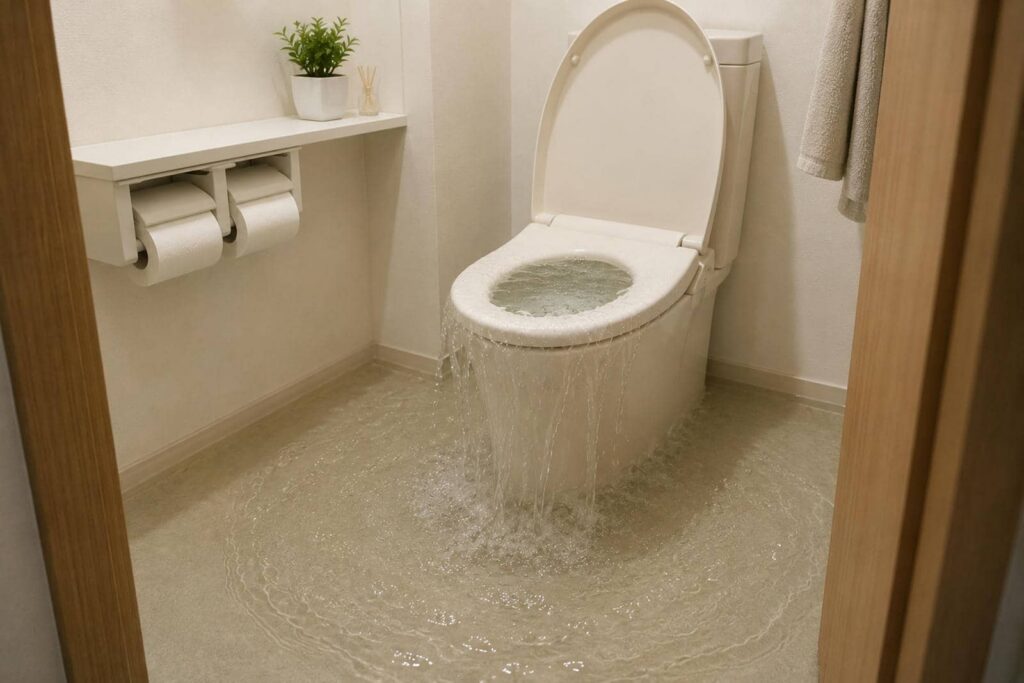
If a basement drain backs up after heavy rain, you’re suddenly facing more than a mess—you’re facing Sewer Backup Health Risks that can affect your home and safety. Sewer water can carry bacteria, viruses, and other contaminants that spread through floors, walls, and air. You may notice stains, odors, or damaged surfaces, but the real danger isn’t always visible. Knowing what’s at stake can help you respond quickly before the problem gets worse.
Key Takeaways
- Sewer backup water can expose property owners to bacteria, viruses, and parasites that cause illness, skin irritation, and infections.
- Airborne sewer gases and pathogens may irritate the eyes, nose, throat, and lungs, causing coughing, headaches, and nausea.
- Contaminated water can spread bacteria to floors, walls, furniture, and other surfaces through splashing and contact.
- Look for warning signs like sewer odors, water stains, discoloration, bubbling paint, and dark tide lines on materials.
- Limit access, wear protective gear, and call professionals for safe cleanup, disinfection, and thorough drying.
Why Sewer Backup Is a Health Hazard
A sewer backup is a serious health hazard because it can expose you to contaminated water, harmful bacteria, and dangerous odors.
When sewage enters your home, it spreads sewer backup health risks through floors, walls, and belongings, making normal living unsafe. You can’t treat this as a simple spill because the water may carry pathogens and foul gases that linger in the air.
Even brief contact can contaminate surfaces you touch every day. Moisture also creates conditions that help hazards persist and spread.
If you protect your household, act fast, keep people away from the area, and arrange professional cleanup. Taking prompt, informed action helps you reduce exposure, preserve your space, and stay part of a safer, healthier home environment together.
Common Health Risks From Sewer Backup
When sewer backup floods your space, contaminated water can expose you to harmful bacteria, viruses, and other pathogens through skin contact, inhalation, or accidental ingestion.
You can also breathe airborne bacteria and foul odors that irritate your eyes, nose, throat, and lungs.
Treat every backup as a serious health risk and avoid direct contact until the area’s been properly cleaned and disinfected.
Contaminated Water Exposure
Contaminated sewer water can expose you to harmful bacteria, viruses, and other pathogens that cause illness quickly.
If you touch, splash, or track this water through your home, you raise your risk of stomach infections, skin irritation, and eye or wound contamination. You should treat every affected surface as unsafe until it’s properly cleaned and disinfected.
Wear gloves, boots, and eye protection if you must enter the area, and keep children and pets away. Don’t use damaged furniture, food, or personal items that have soaked in the water.
Wash your hands thoroughly after any contact. The safest approach is to call trained cleanup professionals so you and your household can protect one another and recover with confidence.
Airborne Bacteria And Odors
Even after the water recedes, sewer backups can keep releasing airborne bacteria, aerosolized contaminants, and foul odors that may irritate your eyes, nose, throat, and lungs.
When you breathe these particles, you can trigger coughing, headaches, nausea, and asthma flare-ups, especially in enclosed spaces. You should ventilate the area if it’s safe, but avoid running fans that can spread contamination.
Wear gloves, an N95 respirator, and eye protection during any cleanup. Seal porous materials that hold odor and bacteria, like carpet and drywall, until professionals assess them.
If smells linger, the source may still be active. You’re not overreacting by taking these warnings seriously; you’re protecting your household and helping everyone return to a safer, healthier space.
Signs of Sewer Water Exposure
You can often spot sewer water exposure by looking for visible water stains on walls, floors, or baseboards.
You should also treat persistent sewer odors as a warning sign, even if you don’t see standing water.
When you notice either sign, act quickly to limit contact and prevent further contamination.
Visible Water Stains
One clear sign of sewer water exposure is a visible stain that appears after the backup has receded, often along floors, baseboards, drywall, or lower walls.
You should treat these marks as warning signs, not cosmetic issues. Contaminated water can leave behind discoloration, residue, and damaged finishes that signal where cleanup is needed.
Check for:
- yellow, brown, or dark rings
- peeling paint or bubbling surfaces
- warped flooring near the stain
- patchy discoloration on trim
- tide lines on porous materials
You’ll protect your property better when you document stains right away and compare them over time.
If the stain keeps spreading, the affected area likely needs professional assessment. Acting early helps you stay in control and supports a safer space for everyone who belongs in your home.
Persistent Sewer Odors
Persistent sewer odors often linger after the visible signs have faded, and they’re another strong clue that contaminated water has reached your space. You shouldn’t treat that smell as a minor nuisance.
It can signal trapped bacteria, waste residue, and moisture inside walls, floors, or drains. If you notice a sour, rotten, or sulfur-like odor, inspect affected areas right away and limit time there.
Open windows, stop using nearby fixtures, and keep children and pets out until you confirm the source. Clean only with proper protective gear and disinfectants, or call a licensed cleanup team.
Acting quickly helps you protect your household, reduce health risks, and stay aligned with other property owners who take sewer exposure seriously.
How Sewer Bacteria Spread Indoors
When a sewer backs up, bacteria can spread indoors through contaminated water, splashing, soaked materials, and airborne droplets from disturbed surfaces. You’re at risk wherever wastewater touches floors, walls, carpets, or belongings, because microbes cling to porous and hard surfaces alike.
To protect your household, act quickly and limit movement through affected areas.
- Keep people and pets out.
- Stop fans that may spread contamination.
- Remove wet items carefully.
- Clean hard surfaces with disinfectant.
- Wash hands after any contact.
You’ll reduce spread by sealing off the area, discarding heavily soaked porous materials, and using protective gear during cleanup.
If contamination reaches multiple rooms, treat the space as unsafe until it’s fully cleaned and dried. Following these steps helps your home stay safer and your family stay together.
Why Sewer Odors and Gases Make You Sick
Even after the visible sewage is cleaned up, lingering odors and gases can still make you feel sick. When sewer gas collects indoors, you may breathe in hydrogen sulfide, methane, and ammonia, which can irritate your eyes, nose, throat, and lungs.
You might notice headaches, nausea, dizziness, coughing, or a sour taste in your mouth. If you have asthma, allergies, or heart or lung disease, those symptoms can hit harder.
Odors also signal that contaminated moisture may still be trapped in hidden spaces, keeping air quality low. You shouldn’t dismiss the smell as harmless, because your body often reacts before you can see the source.
Protect yourself by treating persistent sewer odors as a warning sign that your home still needs attention and proper ventilation.
Safe Cleanup Steps After a Sewer Backup
Start cleanup only after the area is safe to enter, and wear protective gear such as gloves, boots, long sleeves, and a mask before touching anything contaminated. You should work methodically, so your home stays healthier and your family stays protected.
Remove standing water with wet vacuums or pumps.
Bag and discard porous items that soaked up sewage.
Wash hard surfaces with soap and hot water first.
Disinfect floors, walls, and fixtures with a bleach solution.
Dry the area completely with fans and dehumidifiers.
Keep children and pets away until surfaces are clean and dry. Open windows if weather allows, and wash your hands often. Launder contaminated clothing separately in hot water.
If you follow these steps carefully, you reduce exposure, limit odor, and support a safer recovery together.
When to Call a Sewer Cleanup Professional
Call a sewer cleanup professional if the backup covers a large area, keeps returning, or reaches walls, insulation, HVAC systems, or electrical components.
You also need expert help when sewage has soaked carpet, subflooring, or hidden cavities, because contamination can spread fast and odors can linger.
Professionals have the tools to remove wastewater, disinfect surfaces, and dry materials safely, which lowers your risk of bacteria exposure and structural damage.
If you notice widespread moisture, electrical concerns, or symptoms like nausea, headaches, or skin irritation after contact, don’t keep cleaning alone.
You deserve a safe home and a team that knows how to restore it. Call early, limit access, and follow the cleanup plan until the area is fully cleared and verified safe.
Frequently Asked Questions
Can Sewer Backup Cause Long-Term Health Problems?
Yes, sewer backup can cause long-term health problems if you’re exposed to contaminated water, mold, or lingering bacteria. You should clean up quickly, use protective gear, and seek medical care if symptoms persist.
How Soon Should Contaminated Items Be Discarded?
You should discard contaminated items immediately, especially porous materials like carpet, drywall, and insulation. If they touched sewer water, they can harbor bacteria fast. Remove them within 24 hours, and don’t wait for odors or mold.
Is It Safe to Use Air Conditioning After a Sewer Backup?
No, not until you’ve cleaned and disinfected the area. A sewer backup can turn your HVAC into a germ cannon, spreading contaminants through your home. Have a professional inspect ducts, filters, and condensate lines first.
Can Pets Get Sick From Sewer Water Exposure?
Yes, your pets can get sick from sewer water exposure. You should keep them away, wash paws if needed, and call a vet if they lick, drink, or show vomiting, diarrhea, or lethargy.
What Vaccines Should I Consider After Sewage Contact?
You should ask about tetanus and hepatitis A vaccines after sewage contact; your doctor may also consider other updates. Clean wounds right away, monitor symptoms, and get medical advice promptly if you’re unsure.
Conclusion
A sewer backup isn’t just a mess—it’s a health warning you can’t ignore. It may seem like a damp carpet is “just water,” but contaminated water can introduce harmful bacteria, viruses, and other pollutants that pose serious health risks if not addressed promptly. Like a storm drain overflowing into a clean stream, contaminated water spreads fast through your home. If you spot stains, smells, or damage, act quickly, clean safely, and call a professional before bacteria and gases take hold.