Nearly 40% of businesses never reopen after a major property disaster, so you can’t afford a slow recovery. Commercial Restoration Services help when water, fire, mold, storm, or biohazard damage hits your facility by providing a team that responds fast, contains the loss, and keeps your operations moving. The right company does more than cleanup, it helps you regain control when every hour counts.
Key Takeaways
- Commercial restoration services provide coordinated recovery for water, fire, mold, storm, sewage, and other property damage.
- They begin with damage assessment, emergency containment, and debris removal to stabilize the property quickly.
- Water, fire, and mold restoration includes extraction, drying, soot removal, containment, and surface treatment.
- Storm, sewage, and biohazard cleanup follows strict sanitation and disposal protocols to protect occupants and comply with regulations.
- A good restoration company offers fast response, clear communication, realistic timelines, and documentation for insurance claims.
What Commercial Restoration Services Cover
Commercial restoration services cover the full response needed to recover a business after water, fire, mold, storm, sewage, or other property damage.
You get a coordinated plan that protects your property, supports your team, and gets operations moving again with minimal disruption.
Commercial restoration services can include damage assessment, emergency containment, debris removal, drying, cleanup, sanitizing, structural repair, and odor control.
You also gain documentation for insurance claims and clear communication throughout each stage, so you’re never left guessing.
A skilled crew responds quickly, works safely, and tailors the recovery to your building’s needs.
When you choose the right partner, you’re not just fixing damage—you’re restoring stability, confidence, and a space where your business belongs and can keep serving customers.
How Water, Fire, and Mold Damage Are Restored
Once the initial assessment is complete, the restoration process shifts into targeted recovery for each type of damage your property has suffered.
For water damage, technicians extract standing water, dry hidden moisture, and monitor affected materials until levels stabilize.
For fire damage, they remove soot, clean salvageable surfaces, and restore structural components while addressing smoke residue and odor.
For mold damage, they contain the affected area, remove contaminated materials, and treat remaining surfaces to prevent regrowth.
You stay informed at each step, so you can make confident decisions and keep operations moving.
Skilled restoration teams document progress, coordinate repairs, and help you return to a safe, workable environment with minimal disruption and clear accountability throughout the project.
Storm, Sewage, and Biohazard Cleanup
When storms, sewage backups, or biohazard incidents disrupt your facility, fast containment and careful cleanup are critical to protect occupants and limit further damage.
You need technicians who can assess contamination, isolate affected areas, and remove hazardous water, debris, and waste with the right PPE and disinfectants.
Storm damage often brings structural exposure, hidden moisture, and contaminated runoff, while sewage and biohazard events can spread pathogens and odors quickly.
A qualified restoration team follows strict sanitation protocols, cleans salvageable surfaces, and disposes of contaminated materials according to regulations.
You stay safer when every step focuses on health, compliance, and thorough decontamination.
With experienced support, your property gets the specialized care it needs, and your team can move forward with confidence.
How Restoration Teams Minimize Downtime
Minimizing downtime starts with a rapid, organized response that protects the most critical areas first. You get a clear action plan, so crews isolate damage, stabilize conditions, and keep unaffected spaces working whenever possible.
They use targeted extraction, containment, drying, cleaning, and controlled demolition to stop spread without shutting down your entire operation. You’ll also see coordinated scheduling that limits interruptions, with work staged around your business hours and safety needs.
Crews document progress, communicate updates, and adjust fast when conditions change, helping your team stay informed and confident. By restoring utilities, removing hazards, and verifying that areas are ready for use, restoration teams help you reopen faster and keep your people, customers, and workflow moving forward together.
How to Choose a Commercial Restoration Company
Choosing the right commercial restoration company starts with verifying that it can respond quickly, handle your specific damage type, and work without disrupting operations more than necessary.
You should confirm experience with water, fire, mold, storm, sewage, and structural recovery, plus the certifications and insurance that support accountable service.
Ask how they assess damage, communicate updates, and coordinate with your staff, contractors, and insurer. A strong partner provides clear scopes, realistic timelines, and equipment sized for commercial spaces.
You’ll also want references from businesses like yours, because shared experience builds confidence and helps you feel you’re in capable hands.
Choose a team that prioritizes safety, documentation, and continuity, so your property can recover efficiently and your organization can stay connected, informed, and ready to reopen.
Frequently Asked Questions
Are Commercial Restoration Services Available After Business Hours?
Yes, you can often schedule commercial restoration services after business hours, and they’ll work around your operations. You’ll minimize downtime, protect your team, and keep your workplace ready while experts handle urgent damage.
What Certifications Should Restoration Technicians Hold?
You should look for IICRC, OSHA, and EPA certifications; they show you’re hiring trained pros. For mold, water, and fire work, you’ll want technicians who keep skills sharp and follow safety standards closely.
Does Insurance Usually Cover Commercial Restoration Costs?
Usually, you’ll have coverage if your policy includes the damage’s cause, but deductibles, exclusions, and limits apply. You should review your policy, document losses quickly, and work with your insurer to maximize reimbursement.
How Long Does a Typical Restoration Project Take?
Typically, you’ll finish restoration in days to weeks. Smaller setbacks resolve faster; severe damage needs longer. You’ll get a detailed timeline after inspection, and we’ll keep you informed, involved, and supported throughout.
Can Restoration Work Be Phased to Keep Operations Open?
Yes, you can phase restoration work so you stay open. You’ll isolate affected areas, schedule crews after hours, and prioritize critical spaces first. This approach reduces downtime, protects staff, and keeps your operations moving.
Summary
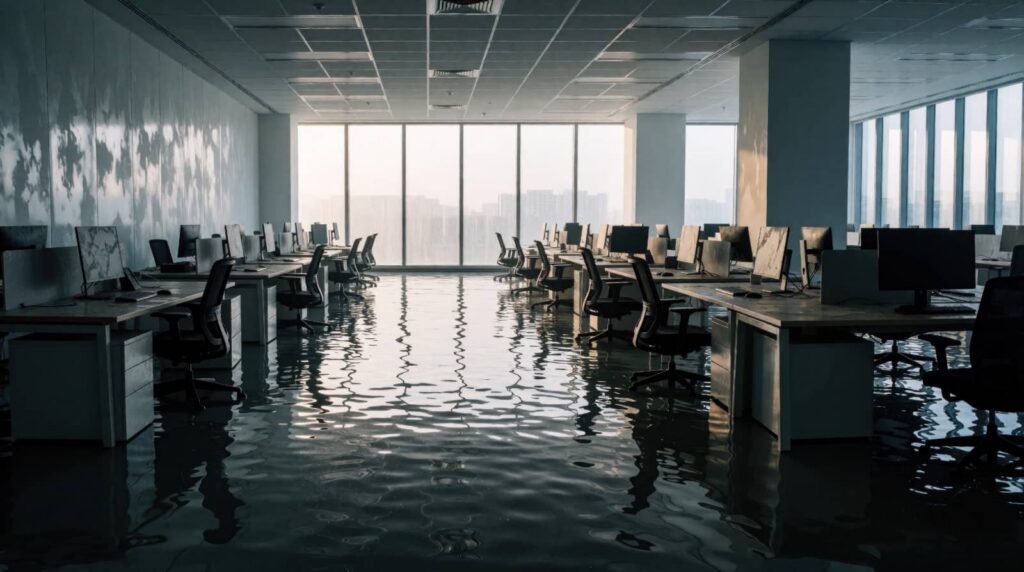
When you face property damage, you need a restoration partner who responds fast, protects your assets, and keeps your business moving. Commercial restoration services can handle water, fire, mold, storm, sewage, and biohazard cleanup while helping you document losses for insurance. For example, if a burst pipe floods your office overnight, a skilled team can contain the damage, dry the space, and get you back to work sooner. Choose carefully it makes recovery smoother.