
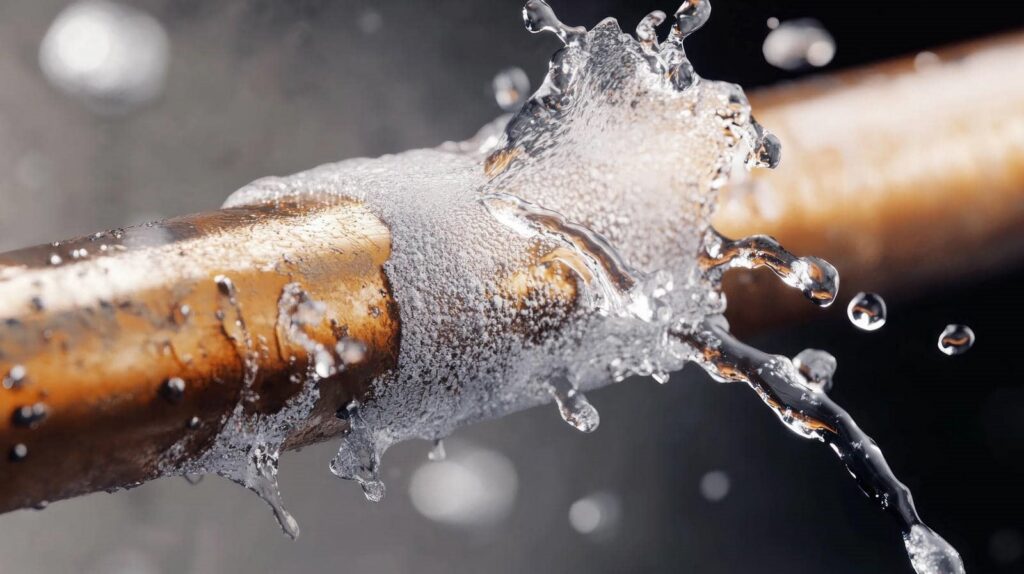
When a pipe bursts, you need to move fast: shut off the water, check for electrical risks, and document the damage before you touch anything else. You can protect valuables, remove standing water, and start drying the area to limit mold and structural loss. The first hour matters more than most people realize, and the next steps can make the difference between a quick recovery and a much larger repair.
Key Takeaways
- Shut off the main water supply immediately to stop further flooding and reduce damage.
- Turn off electricity in affected areas and avoid submerged outlets, appliances, or weakened floors.
- Remove standing water quickly using a pump, wet/dry vacuum, or mop.
- Clean and disinfect wet surfaces, then dry the area completely to prevent mold growth.
- Document all damage with photos and call professional water cleanup services if needed.
Shut Off the Water Supply Fast
When a pipe bursts, every second counts, so shut off the main water supply as soon as you can to stop the flow and limit further damage.
You’ll usually find the main valve where the water line enters your home, often near the meter or in a basement. Turn the handle clockwise until it stops, or rotate a lever a quarter turn.
If you can’t reach it safely, call a plumber or utility service right away.
While the water’s off, open nearby faucets to relieve pressure and drain remaining water from the lines. This quick step gives your household a better chance to recover fast and supports efficient emergency water cleanup after burst pipe damage.
You’re not alone here—acting now helps you protect your space and start cleanup with confidence.
Inspect for Electrical and Structural Hazards
Before you enter the wet area, check for electrical shock risks by shutting off power to affected circuits and keeping clear of submerged outlets, cords, and appliances.
Look for structural damage signs like sagging ceilings, warped floors, cracked walls, or shifting supports that could fail under load.
Then assess the space from a safe distance so you can decide whether you can work there or need professional help.
Electrical Shock Risks
If water has reached outlets, cords, appliances, or your breaker panel, cut power to the affected area right away and don’t step into standing water until you’re sure it’s safe.
Use the main breaker if you can reach it without crossing wet flooring, but call a licensed electrician if the panel is damp, sparking, or hidden behind pooled water.
Keep everyone out of the area and warn your household, neighbors, or crew so no one reenergizes a circuit by mistake.
Unplug dry equipment only after your feet and hands are dry. Avoid metal tools near wet outlets.
If you smell burning, hear buzzing, or see discoloration, treat it as an active hazard.
You’re handling this as a team, and caution now protects everyone’s safety.
Structural Damage Signs
Once the electrical area is secure, check the structure for signs of hidden damage before you keep cleaning.
Look for sagging ceilings, bowed drywall, swollen baseboards, and cracked plaster around the leak path. If doors or windows suddenly stick, the framing may have shifted from saturation.
Press lightly on flooring near the burst area; soft spots, bounce, or spongy edges can mean the subfloor’s weakened.
In your space, listen for creaks or popping when you walk, and note any separation at trim joints or wall seams.
Don’t force damaged materials to hold weight. Mark unsafe areas and keep off visibly compromised surfaces.
You’re not overreacting—you’re protecting the home you share and keeping cleanup controlled until repairs can begin.
Safe Area Assessment
With the water source controlled, you can assess the area for immediate electrical and structural hazards.
Stay out of standing water near outlets, cords, appliances, and breaker panels. If you need light, use a flashlight, not plugged-in equipment. Turn off power at the main breaker only if it’s dry and safe to reach.
Look for sagging ceilings, bulging walls, cracked drywall, warped floors, and shifting baseboards. These signs can mean hidden damage, so keep people away until a pro checks it.
Wear rubber-soled shoes and gloves for added protection. If you smell burning, hear buzzing, or see sparks, leave the space and call emergency services.
You’re not handling this alone; careful assessment protects your home and helps your crew move forward confidently.
Document Burst Pipe Damage for Insurance
Take photos and video of the burst pipe damage right away so you’ve got a clear record for your insurance claim.
Capture wide shots of each affected room, then move in for close-ups of soaked flooring, wet drywall, stained ceilings, and the pipe itself.
Note the date, time, and where the leak started, and keep your water meter reading if it’s visible.
Save every text, email, and receipt tied to emergency response or repairs.
If you’ve already spoken with your insurer, record the claim number and adjuster contact.
Back up your files in the cloud and on your phone so you can share them easily.
Clear documentation helps you stay organized, speeds up the claim, and gives your household a stronger voice during recovery.
Protect Belongings Before Cleanup Starts
Before cleanup begins, move furniture, rugs, electronics, papers, and other valuables out of the wet area if you can do so safely.
Work with a partner, keep pathways clear, and lift items from the base, not the edges. If you can’t relocate something, elevate it on blocks or foil.
Create a simple protection plan:
- Cover upholstery with clean plastic or sheets
- Place documents in sealed bags
- Unplug and separate cords
- Remove cushions and loose parts
- Tag damaged items for later review
You’re not handling this alone; every careful step helps your home recover faster.
Keep fragile belongings in a dry room, and avoid stacking wet items together. This protects surfaces, limits secondary damage, and gives your cleanup team a better starting point.
Remove Standing Water Right Away
Standing water should be removed as quickly as possible to limit further damage and reduce the risk of mold growth.
You’ll want to grab a pump, wet/dry vacuum, or mop and work from the lowest areas first. Move in clear passes so you don’t push water into other rooms. If the water is deep, pump it out in stages to keep surfaces from shifting or staining.
Keep a bucket nearby for quick emptying, and wear boots and gloves for control and safety. As you clear each area, check for hidden pockets near baseboards and under rugs.
Acting fast helps you protect your space and stay on track with the rest of the cleanup. You’re not dealing with this alone, and every minute you save matters.
Dry Out Walls, Floors, and Cabinets
Open windows, run fans and dehumidifiers, and keep air moving through every affected room so moisture leaves walls, floors, and cabinets fast. You’ll speed drying by checking hidden spaces and lifting damp items away from surfaces.
Focus on steady airflow, not heat alone, so materials dry evenly and stay stable.
- Pull cabinet doors open
- Remove toe-kick panels if you can
- Space furniture off wet flooring
- Wipe baseboards and trim
- Monitor progress with touch and moisture readings
If drywall feels soft or flooring stays cool and swollen, keep drying equipment running. You’re not doing this alone; each pass lowers the risk of lingering damage and helps your home recover in a controlled, practical way.
Prevent Mold After Water Damage
To prevent mold after water damage, you need to dry the affected area within 24 to 48 hours and remove anything that stays damp.
Keep air moving with fans and a dehumidifier, and open windows only when outside air is dry.
Check hidden spaces like wall cavities, under cabinets, and behind baseboards, because moisture there can keep growing unseen.
If materials still feel cool, soft, or musty, keep drying or remove them.
Seal off the area from clean rooms so spores don’t spread to the spaces your household uses every day.
Wear gloves and a mask when handling wet debris.
Track humidity and aim for below 60%.
If you act fast and stay consistent, you’ll protect your home and help your space feel safe again.
Clean and Disinfect Water-Damaged Areas
You should clean hard surfaces with hot water and a detergent first, then apply a disinfectant that’s approved for the material and let it sit for the full contact time.
Wear gloves and eye protection, and replace any porous items that can’t be fully cleaned because they can hold contaminants.
After the area dries, keep humidity low and check for lingering moisture so you can prevent mold from returning.
Surface Sanitizing Steps
Once the standing water’s gone, sanitize every affected surface to stop hidden contamination from spreading. You can handle this step-by-step, and your crew’s doing the right thing by moving methodically.
- Wear gloves, eye protection, and a mask.
- Wash hard surfaces with soap and warm water.
- Apply an EPA-registered disinfectant as directed.
- Keep the area wet for the full contact time.
- Rinse food-contact surfaces and let them dry.
Focus on counters, baseboards, cabinet exteriors, and hardware. Change cloths often so you don’t move residue around.
If you’re using bleach, mix it only as labeled and never combine it with other cleaners. After sanitizing, ventilate the space with fans or open windows. That helps you finish cleanly and keeps your home safe.
Mold Prevention Measures
After the area is dry enough to work safely, clean and disinfect every water-damaged surface to limit mold growth.
Wear gloves, eye protection, and an N95 respirator, then remove mud, residue, and loose debris with detergent and warm water.
Disinfect hard materials with an EPA-registered product or a bleach solution labeled for flood cleanup, keeping the surface wet for the required contact time.
Rinse if the label says to, and dry the area completely with fans and dehumidifiers.
Remove porous items that stayed wet for over 24 to 48 hours, including drywall, carpet, and insulation.
Watch for musty odors, staining, or soft materials, because those signs mean hidden mold may already be forming.
Call Emergency Water Cleanup Pros
Calling emergency water cleanup pros right away can limit burst pipe damage and speed up recovery. You get a trained crew that arrives with pumps, extractors, and moisture meters, so you’re not figuring it out alone.
They assess the source, remove standing water, and document losses for a smoother claim process. Their rapid response also helps your home feel safe again.
- Shut off the water source
- Extract pooled water fast
- Dry hidden wall cavities
- Inspect for structural saturation
- Track moisture until stable
When you call, you join a team that knows how to restore order under pressure. You’ll get clear updates, practical guidance, and focused action from people who do this every day.
Prevent Burst Pipe Damage Again
To prevent burst pipe damage again, you need to fix the conditions that caused the failure and add a few simple safeguards.
Insulate exposed pipes, especially in attics, crawlspaces, and exterior walls, so cold air can’t freeze them. Seal drafts near plumbing runs, and keep your home’s thermostat steady, even when you’re away.
Have a plumber inspect weak joints, corrosion, and pressure issues, because hidden wear often leads to repeat failures. Install a pressure regulator if your system runs high.
In freezing weather, let faucets drip slightly and open cabinet doors to share warm air.
After any cleanup, test shutoff valves and replace damaged sections promptly.
With these habits, you’ll protect your home, reduce stress, and stay part of the group that’s ready for the next cold snap.
Frequently Asked Questions
How Quickly Should Water Cleanup Begin After a Burst Pipe?
You should start cleanup immediately, within minutes if possible. You’ll limit damage, mold, and costs by shutting off water, removing standing water, and drying surfaces fast. Act quickly, and you’ll protect your home and belongings.
Can I Use a Shop Vacuum for Burst Pipe Water Cleanup?
Yes, you can use a shop vacuum for small amounts of standing water, but you shouldn’t use it on deep flooding or contaminated water. You’ll protect your space best by moving fast, staying safe, and drying thoroughly.
What Items Should I Remove Before Emergency Water Cleanup Starts?
You should remove electronics, rugs, curtains, papers, and small furniture first; they trap moisture. Many water-damaged items can’t be saved if you wait. You’ll protect your space and speed up cleanup by clearing them now.
How Do I Know if the Water Damage Reached Hidden Spaces?
You’ll know hidden spaces are affected if floors feel soft, walls stain, paint bubbles, or musty odors linger. Check baseboards, cabinets, and ceilings with a moisture meter, and call a pro if readings stay high.
Should I Contact My Insurance Before or After Cleanup Begins?
Contact your insurance before cleanup begins, if you can safely do so. You’ll document damage sooner, get claim guidance, and still start mitigation right away to protect your home and support your neighborhood.
Recap
When a pipe bursts, you’re suddenly racing the clock, and every minute matters. You’ve shut off the water, checked for hazards, documented the damage, and cleared standing water, so you’re already ahead of the worst-case scenario. Now, keep surfaces dry, disinfect thoroughly, and call pros if the damage seems bigger than you can handle. Once recovery starts, insulate pipes and maintain them so this kind of emergency doesn’t catch you off guard again.