
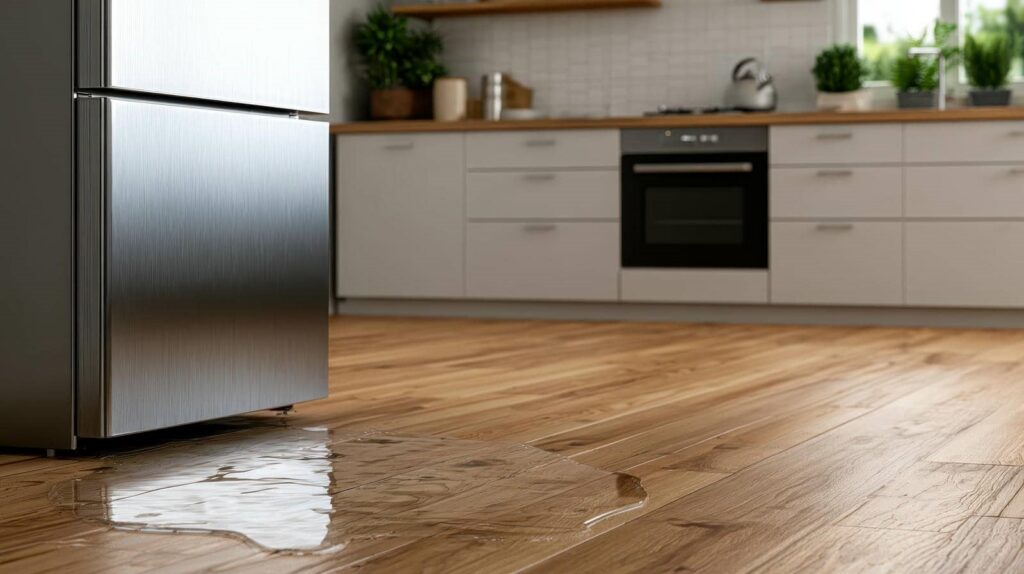
House Floods can turn your home into a hazard in minutes. You need to move fast, keep people and pets safe, and avoid making the damage worse. Start by getting everyone to higher ground, then check for immediate dangers before you touch utilities or grab valuables. What you do in the first few minutes can shape the cleanup, the cost, and even the safety of the next few days.
Key Takeaways
- Move everyone, including children and pets, to higher ground immediately.
- Avoid standing water, electrical outlets, open flames, and other immediate hazards.
- Gather essentials like ID, medications, phones, chargers, and a flashlight.
- Shut off electricity, water, or gas only if it is safe and accessible.
- Document damage with photos, then clean and dry the house as soon as possible.
What to Do First After a Flood
The moment you notice flooding, act fast to protect yourself and limit damage. Move everyone to higher ground and keep children and pets with you.
Check for immediate dangers, including standing water near outlets or anything unstable. If you can do it safely, gather essentials: ID, medications, phones, chargers, and a flashlight.
Leave soaked rooms and avoid wading through water you can’t see through. Document conditions with photos and short notes for insurance and future cleanup.
Follow local alerts and stay connected with neighbors, because you’re stronger when you share updates. If water keeps rising, evacuate right away.
Knowing what to do when your house floods helps you stay calm, protect your household, and make smart decisions before the next steps begin.
Shut Off Water, Power, and Gas Safely
Once you’re safe and have moved everyone out of immediate danger, shut off utilities only if you can do it without entering standing water or risking shock.
Go to your main electrical breaker only if the panel is dry and reachable; otherwise, wait for the utility company or an electrician.
Turn off the main water valve if you can access it safely, especially if pipes have burst or water keeps rising.
If you smell gas, hear hissing, or suspect a leak, leave the house right away and call the gas company from outside.
Don’t flip switches, use open flames, or create sparks.
If your neighborhood is affected, stay connected with neighbors and local alerts so you’ll know when crews restore service and when it’s safe to return.
Save People and Salvage Essentials
Get people out first, then grab only the essentials that you can reach safely.
Lead children, older adults, pets, and anyone with mobility issues to dry ground or an upper floor that’s safe. Keep everyone together and check that no one’s missing before you move on.
Take phones, chargers, medication, IDs, keys, cash, and any critical documents in a waterproof bag if you can reach them without wading through deep water.
Wear sturdy shoes and move with care; flood debris can cut or trap you. Don’t waste time on furniture, photos, or appliances.
If water is rising fast, leave immediately and follow your family’s agreed meeting spot.
Stay calm, speak clearly, and help one another. Your safety comes first, and your household can rebuild later.
Clean Up Flood Damage Before Mold Grows
As soon as it’s safe to re-enter, start drying and removing wet materials right away so mold doesn’t take hold.
Put on gloves, boots, and a mask before you touch anything dirty. Throw out soaked porous items like carpet, pad, insulation, drywall, and mattresses; they trap contamination and usually can’t be saved.
Bag debris, seal it, and move it out fast so your home doesn’t become a breeding ground. Clean hard surfaces with soap and clean water first, then disinfect them with a product labeled for flood cleanup.
Wash dishes, utensils, and toys before use. Keep kids and pets away from the work area.
If sewage, chemicals, or visible mold are involved, call a licensed cleanup pro so your household stays protected and supported.
Dry Out Your House and Check for Damage
After you’ve removed soaked materials, bring in fans and dehumidifiers, open windows if the weather is dry, and keep air moving to help the structure dry out fast.
You should run them day and night until surfaces feel dry and indoor humidity drops. Move furniture away from walls so hidden moisture can escape.
Check baseboards, drywall, floors, and cabinets for warping, bubbling, staining, or soft spots. Use a flashlight to inspect closets, corners, and under sinks.
If you see discoloration or smell musty odors, keep drying. Test outlets only when everything is dry, and stay alert for tripped breakers or damaged cords.
Take photos of visible damage for your records. Work room by room, and don’t rush the process; thorough drying now helps protect everyone in your home.
Call Flood Restoration Pros When Needed
If the water was contaminated, the flooding was extensive, or you’re seeing structural damage, call a flood restoration company right away.
You’ve already done the urgent basics; now let trained pros handle the rest. They’ll inspect moisture behind walls, remove hidden water, dry materials with commercial equipment, and reduce mold risk before it spreads.
If you smell sewage, see warped floors, or lost power to soaked systems, don’t wait. Ask for a written plan, insurance documentation, and a clear timeline so you know what happens next.
Stay available for questions, but let the crew lead the cleanup. Getting help isn’t overreacting; it’s how you protect your home, your health, and the people who live there.
You’re not alone in this.
Frequently Asked Questions
How Can I Tell if Floodwater Is Sewage-Contaminated?
You can’t always tell by sight, but sewage-contaminated floodwater often smells foul, looks dark or cloudy, and contains toilet waste or debris. If you’re unsure, treat it as hazardous and avoid contact.
Will My Homeowners Insurance Cover Flood Damage?
Usually not: your homeowners policy covers sudden pipe leaks, but not floodwater. Check your declarations page, call your insurer now, and document damage. If you’ve got separate flood insurance, file that claim immediately.
How Do I Document Damage for an Insurance Claim?
You’ll document damage by taking clear photos and videos, listing affected items, and saving receipts. Include dates, times, and brief notes. Keep copies for yourself, then send everything promptly to your insurer.
What Should I Do With Contaminated Food and Medicine?
You should discard all contaminated food and medicine immediately. Don’t taste or salvage anything exposed to floodwater. Bag items securely, label them, and follow local disposal rules. Then restock essentials with sealed replacements.
When Is It Safe to Return Home After Flooding?
You can return home only after authorities say it’s safe, power and gas are off, floodwater has receded, and structural damage is checked. Wear protective gear, avoid contaminated areas, and inspect carefully before entering.
Review
When your house floods, every minute counts. First, get everyone to higher ground and keep children and pets with you. Then, if it’s safe, shut off power, gas, and water before you do anything else. Grab essentials, document the damage, and start drying fast. Mold can move in before you expect it, and hidden damage can get worse overnight. If the water keeps rising, call flood restoration pros immediately.