
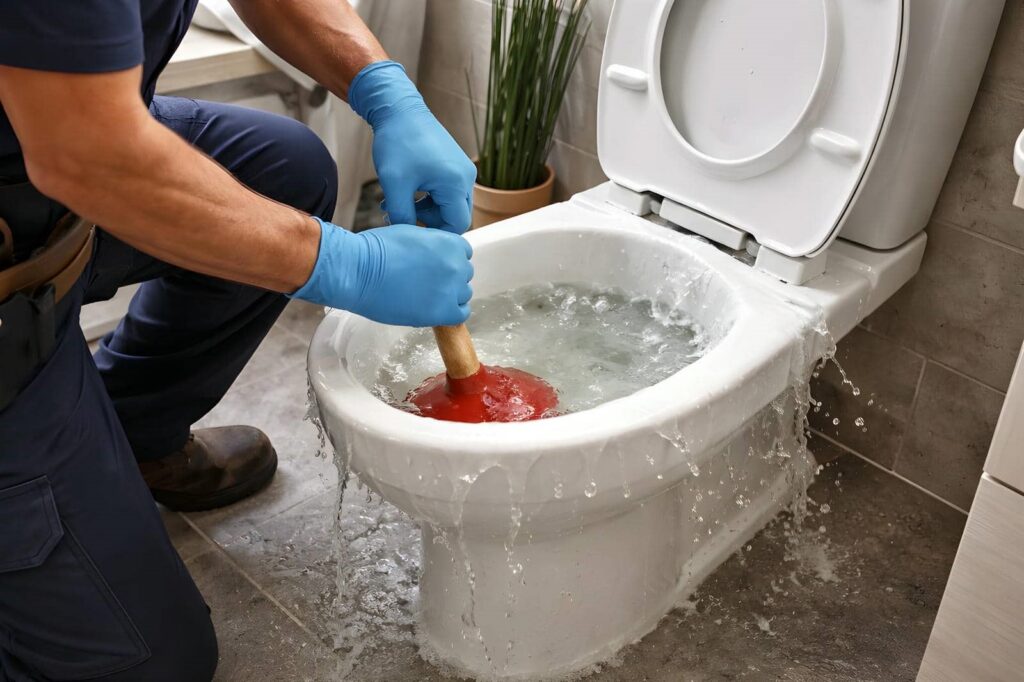
After a sewage backup, you may not realize that contaminated water can seep into subfloors and wall cavities within minutes. Keep children and pets out, avoid standing water, and document the damage for insurance. If it’s safe, shut off the main water and ventilate the area. Wear protective gear before cleaning, discard heavily soiled items, and call a licensed restoration pro if the damage is widespread or odors persist.
Key Takeaways
- Keep children and pets away, avoid standing water, and ventilate the area by opening windows.
- Shut off the main water supply if it is safe and accessible to do so.
- Photograph the damage for insurance and contact your utility, health department, or a restoration professional.
- Wear protective gear and clean hard surfaces with detergent and a sewage-approved disinfectant.
- Discard porous contaminated items, and call professionals for large, prolonged, or hidden sewage damage.
What to Do Right After a Sewage Backup
Act quickly to limit exposure and prevent further contamination after a sewage backup. You need to secure the area, keep children and pets away, and avoid touching any standing water or wet materials.
Open windows if you can do so safely to improve ventilation and reduce odor buildup. Document the damage with photos before you move anything, because you’ll need clear records for your insurer and cleanup team.
Then contact a licensed restoration professional and your local utility or health department if required. If you’re asking what to do after sewage backup, focus on reducing spread: remove contaminated items only when you can bag and isolate them, and wash hands thoroughly after every contact.
Staying calm helps you protect your household and work with your community through the cleanup.
Turn Off the Water and Stay Out
If it’s safe to reach the shutoff, turn off the main water supply right away to stop more sewage from backing up into the home, but don’t enter flooded or contaminated areas to do it.
If the valve is in a dry, accessible spot, close it fully and confirm the flow stops. If you can’t reach it without stepping into sewage, leave the area and call your utility, landlord, or emergency plumber.
Stay out of rooms with standing water, splashes, or visible waste, because sewage can carry pathogens and sharp debris. Keep kids, pets, and anyone with health risks away from the affected space.
You’re protecting your household by limiting contact and preventing extra flow. Wait for a safe assessment before going back inside.
How to Clean Contaminated Floors and Surfaces
Before you clean, wear protective gloves, waterproof boots, eye protection, and a mask. Then open windows and use fans only if they won’t spread contamination. You’re protecting yourself and everyone in your home.
Mix detergent with hot water, then scrub hard surfaces with a stiff brush. Rinse with clean water and dry them completely. For sealed floors, work in small sections so you can control runoff and keep the area manageable.
- Wash visible soil first.
- Apply a disinfectant labeled for sewage contamination.
- Let surfaces stay wet for the full contact time.
On wood, tile, and concrete, repeat cleaning until all grime is gone. If a surface stays sticky, stained, or smells foul, clean it again.
Keep children and pets out until everything’s dry.
What You Should Throw Away After a Backup
Throw away any porous item that sewage soaked through, because you usually can’t fully disinfect it. That includes carpet, carpet pad, upholstered furniture, mattresses, pillows, insulation, and paper products.
If absorbent food packaging, cardboard boxes, or drywall stayed wet, discard them too. Any item with seams, foam, or fibers can trap pathogens and odors, so don’t try to save it.
Bag contaminated materials in heavy plastic, seal them, and move them out of your living area promptly.
If clothing or washable linens were lightly splashed, launder them separately in hot water with detergent after removing solids.
Keep salvageable hard goods, like metal, glass, and sealed plastics, only if you’ve cleaned and disinfected them thoroughly.
You’re protecting your household and helping everyone share a safer space.
When to Call Sewage Cleanup Pros
Call sewage cleanup professionals when the backup covers a large area, reaches multiple rooms, or involves contaminated water in walls, flooring, or HVAC systems. You shouldn’t try to contain that level of damage alone.
Professional crews use negative air, extraction, antimicrobial treatment, and moisture mapping to stop hidden contamination and structural decay. Call them sooner if:
- sewage sat for more than 24 hours
- you smell persistent odors after drying
- porous materials stayed wet
They also document losses for your insurer and help you protect your household with a safer, code-aware cleanup plan.
When you bring in experts, you’re joining a process that restores your home faster and reduces the chance of recurring health risks.
Frequently Asked Questions
Can Sewage Backup Affect My Home’s Structural Integrity?
Yes, sewage backup can weaken your home’s structural integrity if it soaks framing, subflooring, drywall, or insulation. You should dry materials fast, inspect for swelling or rot, and call a professional if damage seems extensive.
How Long Should I Wait Before Using HVAC After Cleanup?
You shouldn’t use your HVAC until cleanup’s complete, surfaces are dry, and a professional confirms the system’s safe—usually 24 to 72 hours. You’ll avoid spreading contamination and keep your home’s air healthy.
Does Homeowner’s Insurance Usually Cover Sewage Backup Damage?
Usually not, unless you’ve added a sewer backup endorsement. You should review your policy’s exclusions and limits, then document damage fast. If needed, file a claim promptly and ask your agent about coverage options.
How Do I Prevent Sewage Backup From Happening Again?
You can prevent repeat backups by scheduling annual drain inspections, installing a backwater valve, avoiding grease and wipes, and keeping roots out of lines. You’ll protect your home and stay ahead of costly plumbing failures.
What Health Symptoms May Appear After Sewage Exposure?
You may develop nausea, vomiting, diarrhea, fever, coughing, skin rashes, eye irritation, or breathing trouble after sewage exposure. If symptoms persist or worsen, you should seek medical care quickly and mention contamination exposure.
Final Thoughts
After a sewage backup, act fast: keep kids and pets out, stop using contaminated water, and document every affected area. Remember, one inch of sewage can contaminate a large floor area and expose you to harmful pathogens. Clean hard surfaces with proper protective gear, discard porous items that soaked up waste, and call licensed restoration pros for extensive damage or lingering odors. Quick, careful action can protect your home and your health.